Growing Vegetables for Wildlife
With the winds a little too high to spend much time at Frowning Sparrow Woods at the moment, my attention has turned to some of the experiments going on in my wildlife garden.
Over the past couple of years, I’ve been trialling different vegetable plants to discover what nature enjoys. Wild brassicas aren’t always easy to find, so I decided to experiment with vegetable plugs bought from my local garden nursery to see how the wildlife responds to them, with a view to creating a fruit and vegetable border in my garden.
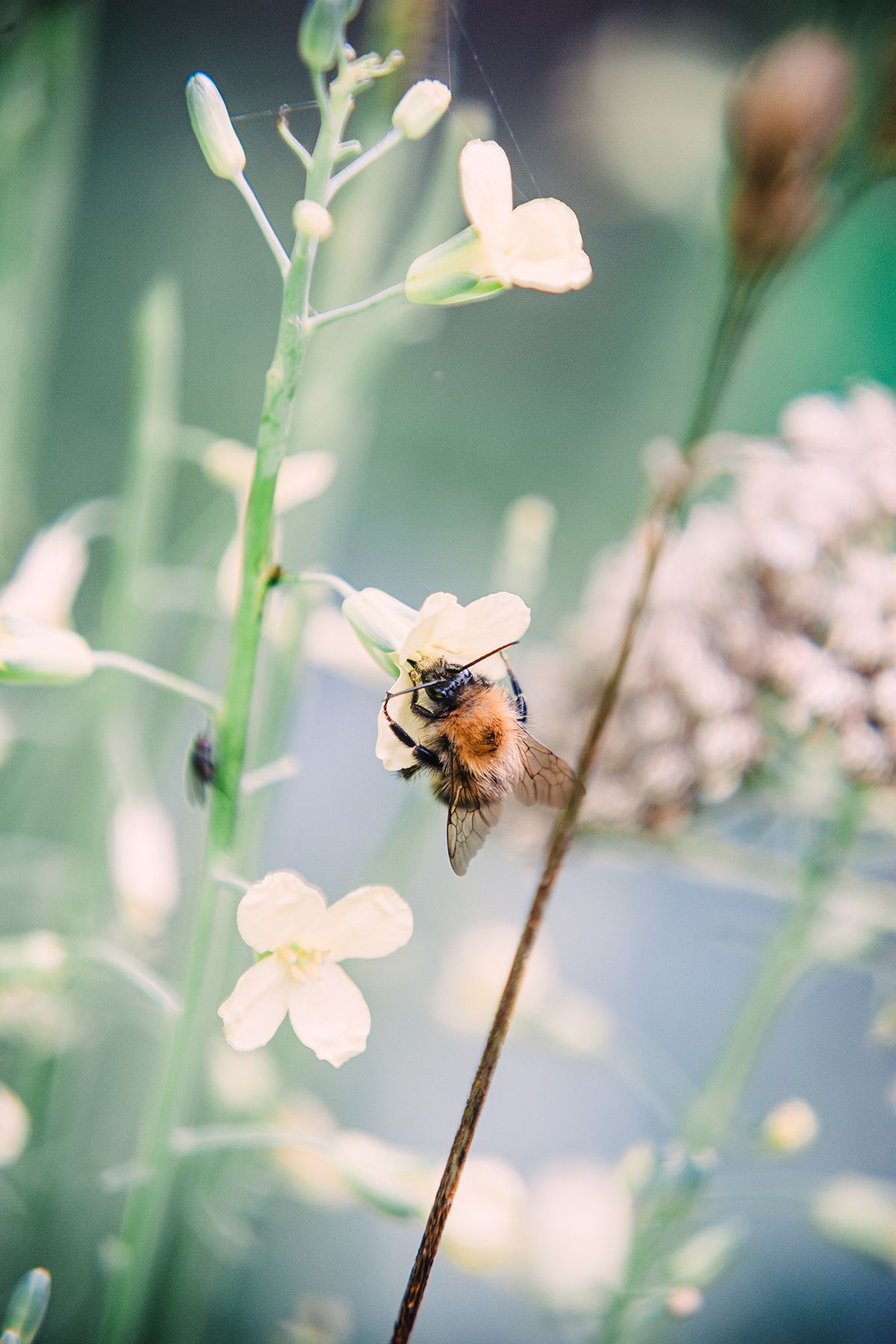
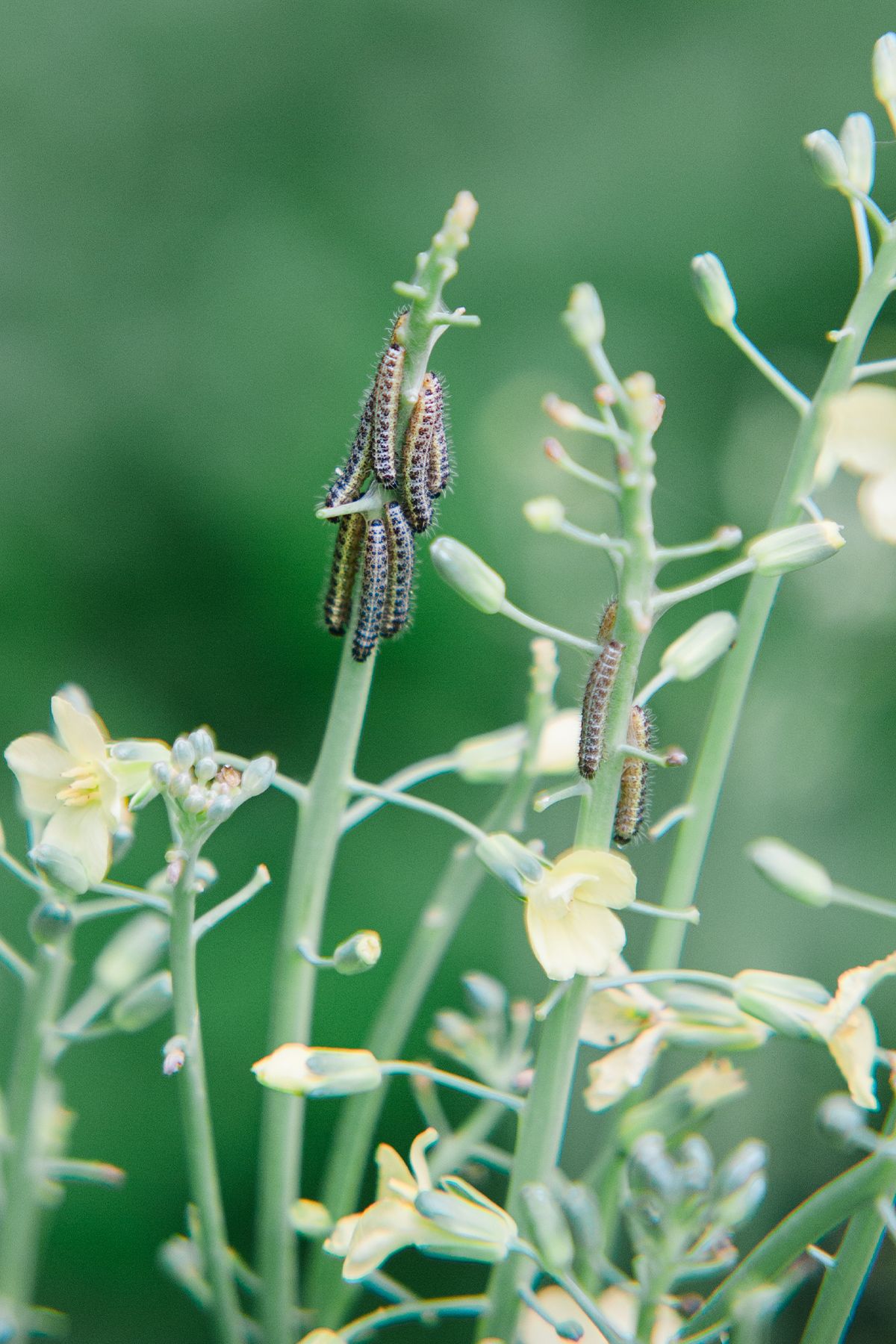
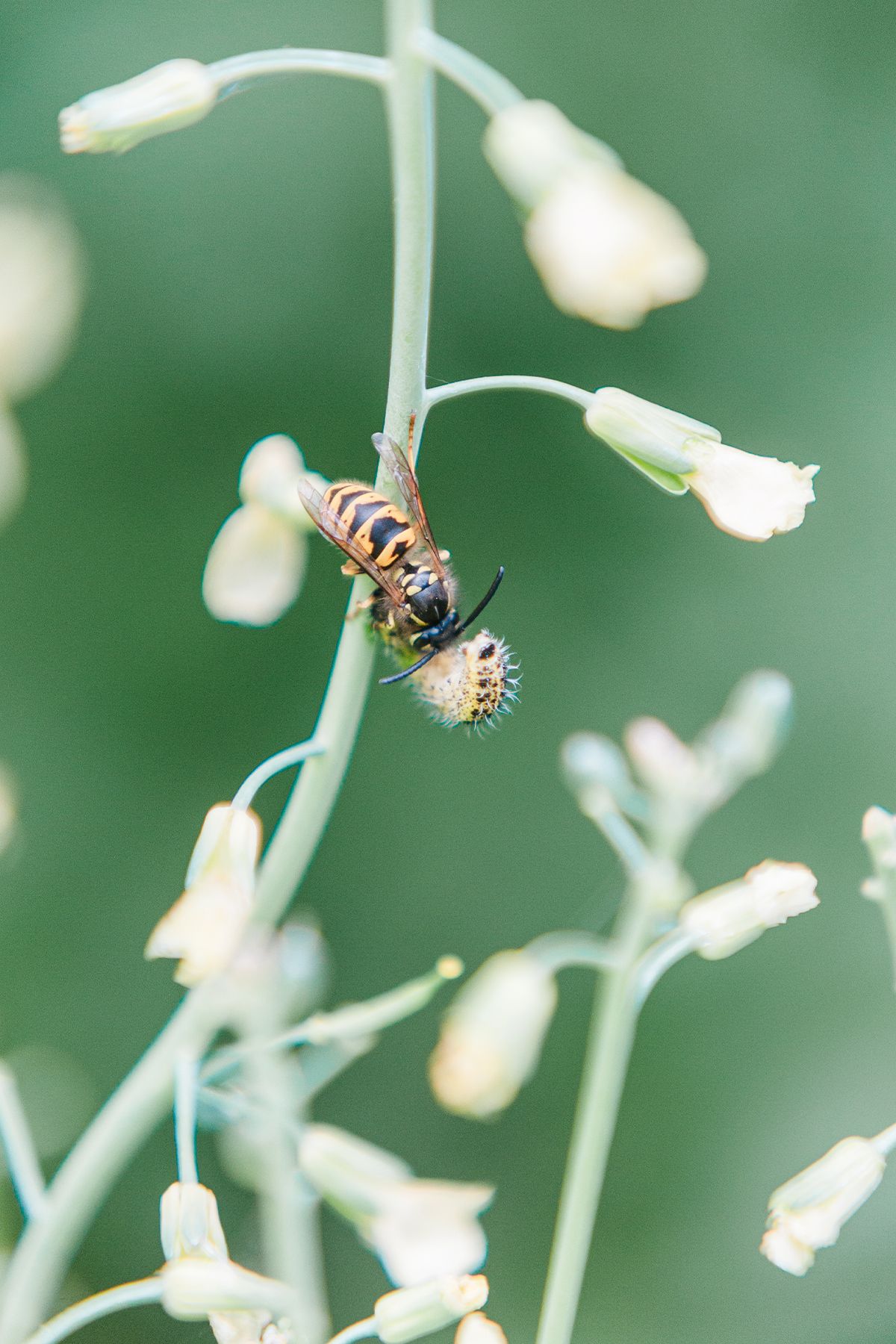
Broccoli was the first to be planted, and it’s been a hit with bees, butterflies and wasps. Small and green-veined white butterflies laid eggs on the new leaves, while wasps collected caterpillars to feed their young. Once the plants flowered, bees and hoverflies arrived to feed on the pollen and nectar.
The plants eventually died off, so I’ll need to replant them each year to keep the wildlife buffet going.
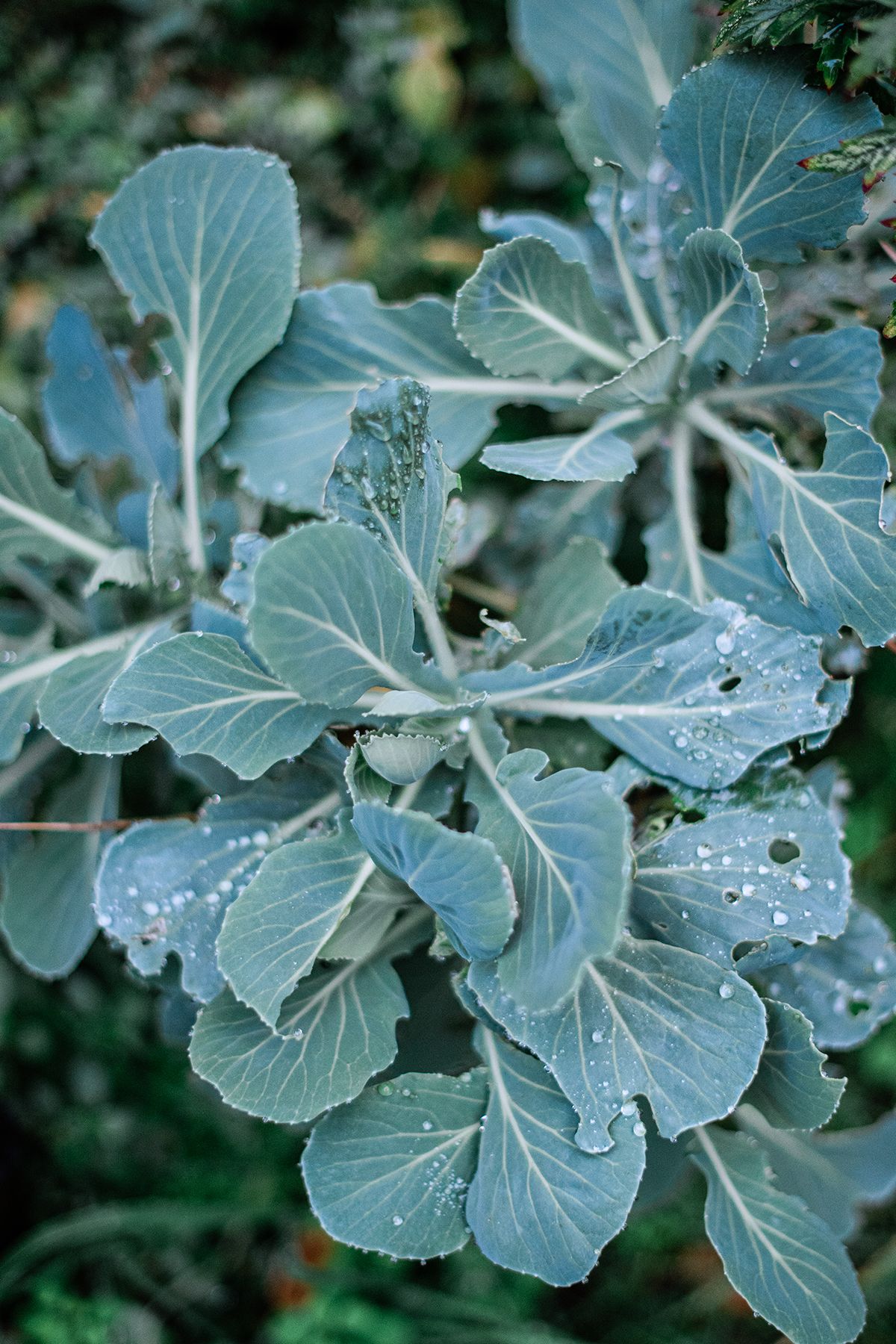
Cabbage has been a surprising one. I planted about five young plugs at Frowning Sparrow Woods, but something ate every single one. I planted another in my front garden, and this one grew into a lovely cabbage. The large white butterflies laid their eggs on it, but then something began eating the leaves and the eggs were lost.
Despite this, the cabbage continued to grow and eventually went to seed. It’s now producing lots of fresh new leaves, and I’m fascinated to see what happens next. Will it continue to provide food for wildlife, or will something else come along to enjoy it? Only time will tell!
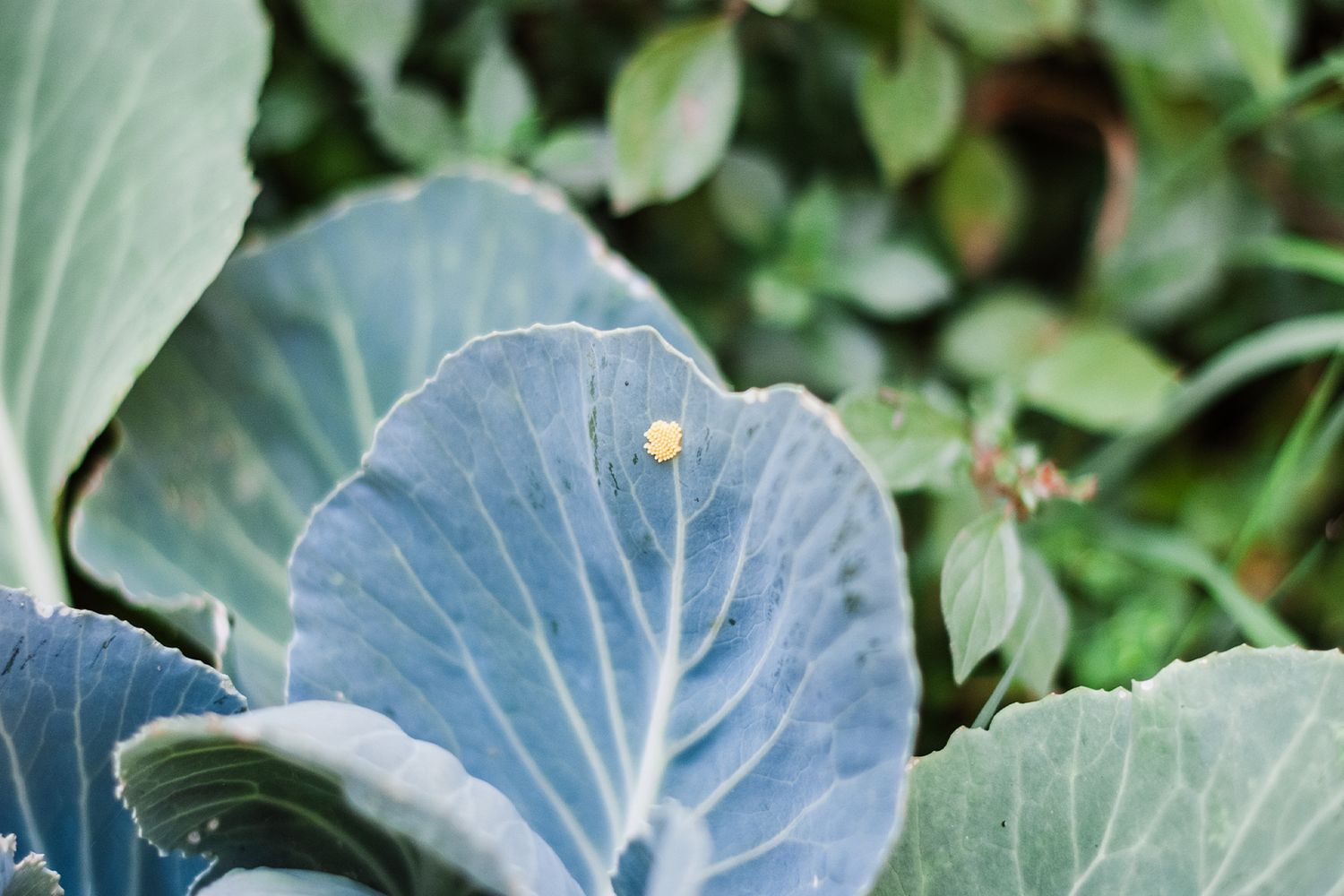
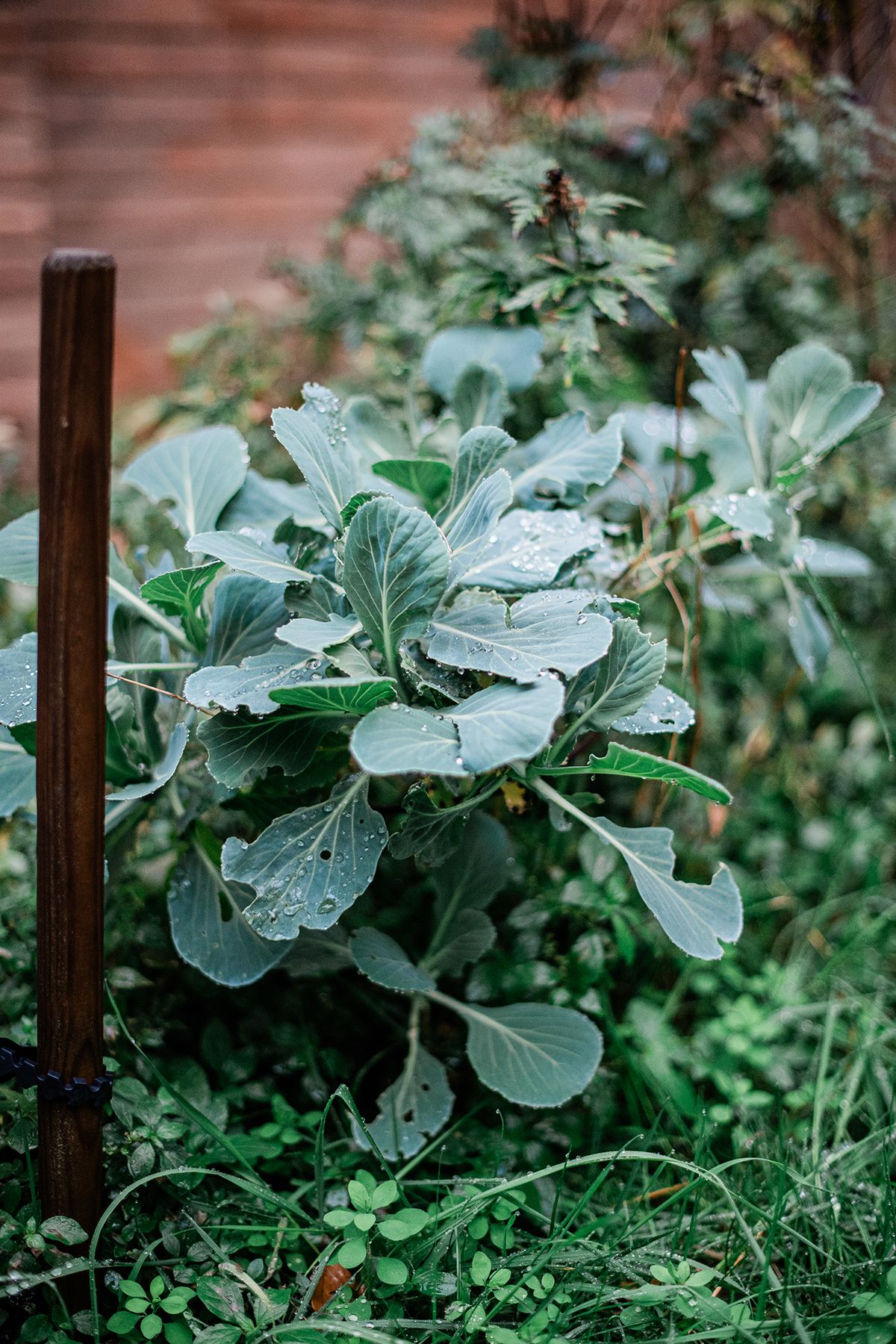
Cabbage as it Looks Today
Finally, carrots. These didn’t do quite so well. Nothing seemed to like them. I’ll try again next year, but this time I’m going to look for native wild carrot seeds and see how they fare. Hopefully, they’ll be a better fit for my wildlife-friendly garden.
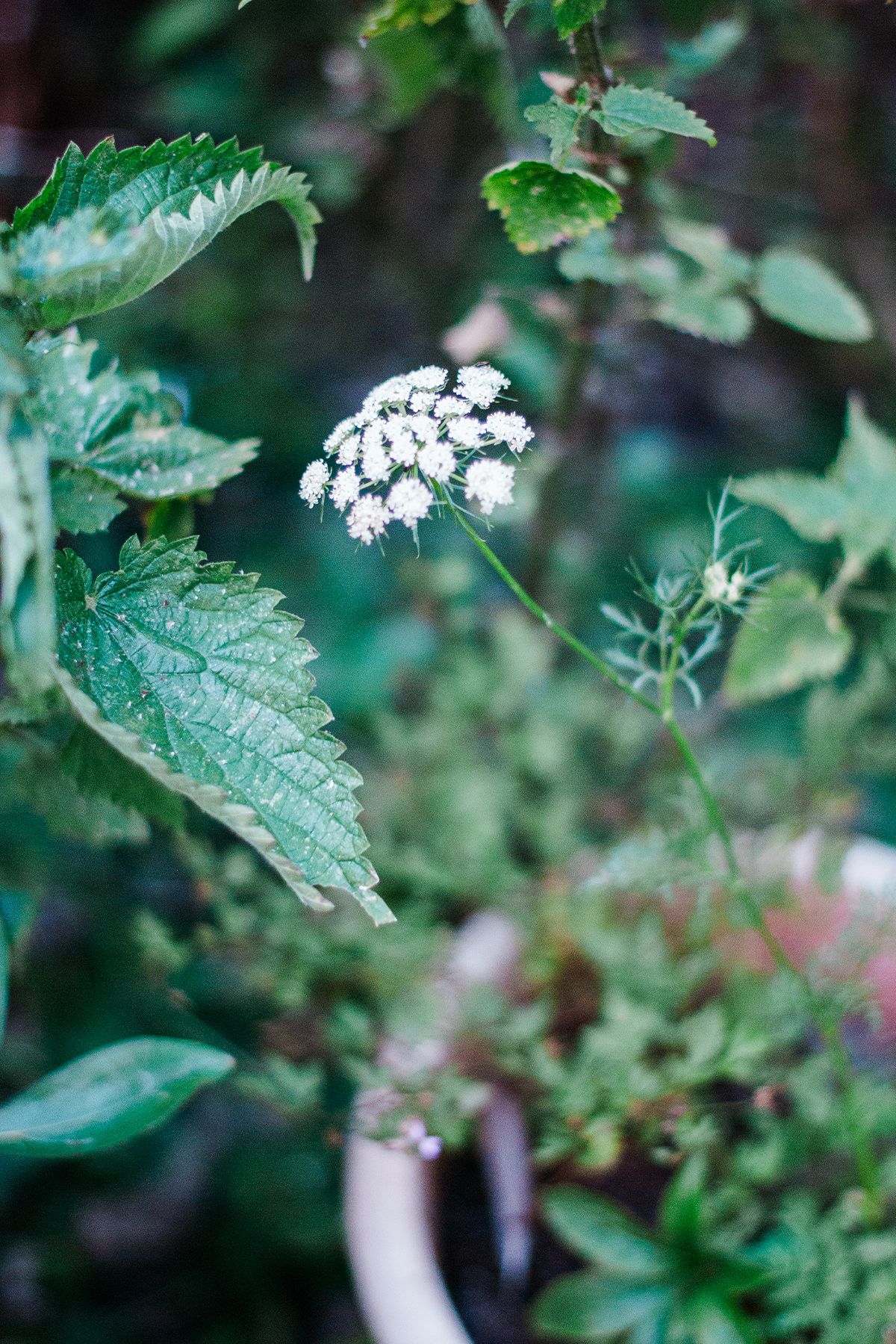
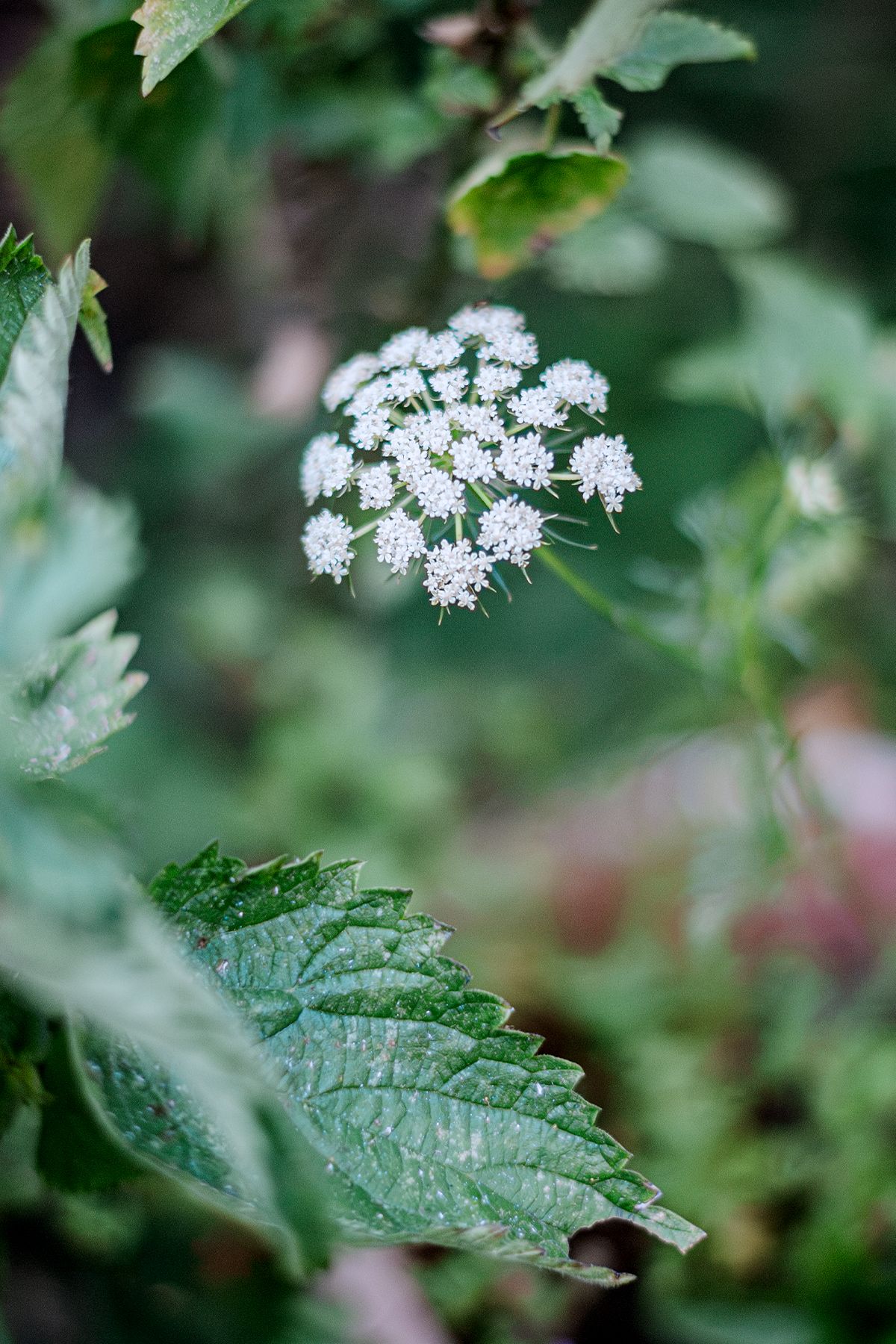
So for now, I can't comment on carrots, but the cabbage and broccoli, attracted quite different groups of insects, which has made this experiment worthwhile.
I’ll definitely continue growing vegetables for wildlife, but I’d like to replace some of the cultivated varieties with native wherever I can get hold of them. Sea kale, wild carrot and wild cabbage are all plants I’d like to try. They generally favour well-drained soils, and wild carrot and wild cabbage can do particularly well in alkaline conditions, including chalky ground. Fortunately, my garden soil is free-draining and not particularly fertile, so I’m hopeful it will suit these plants.
Making the Fence Safer for Muntjac Deer
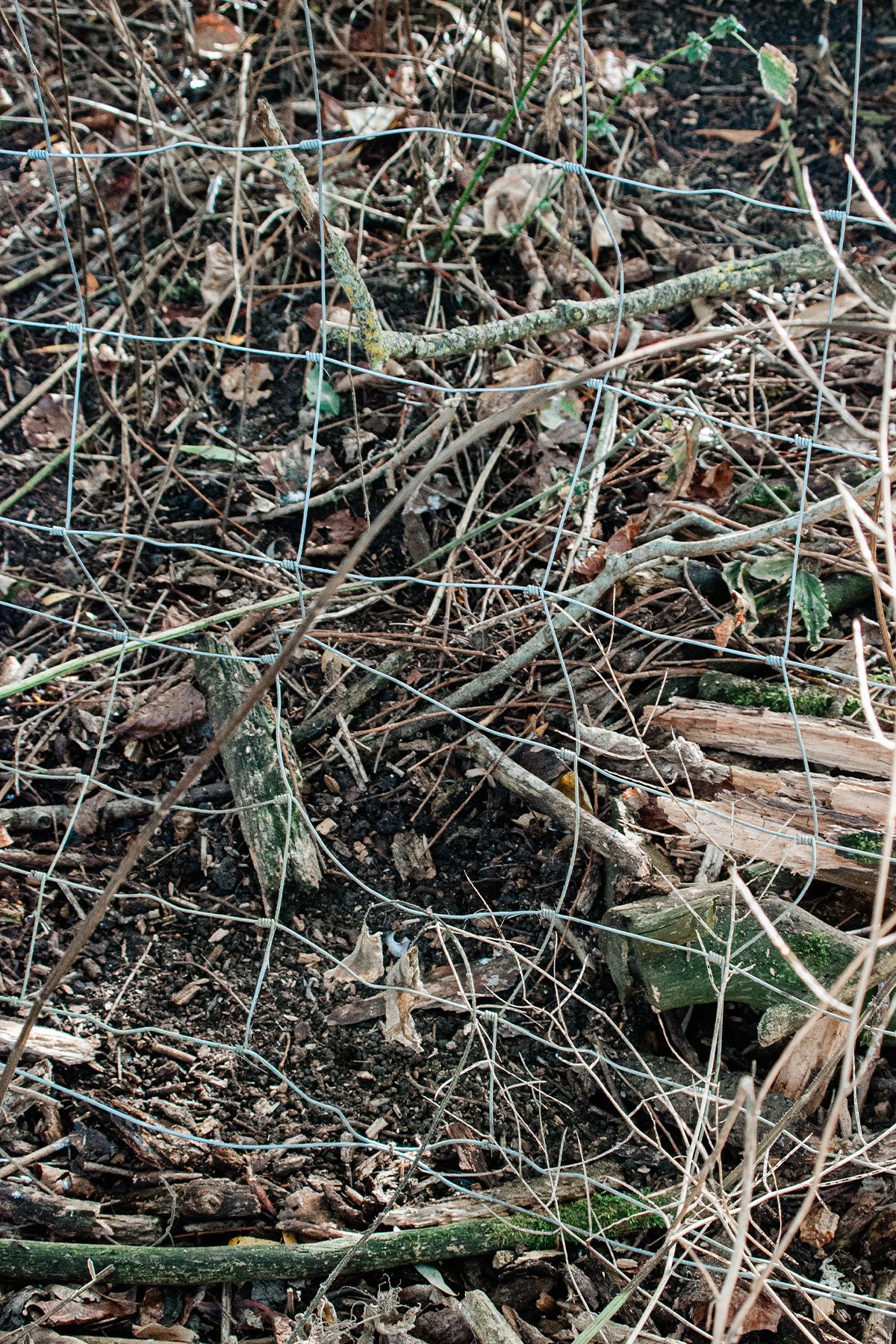
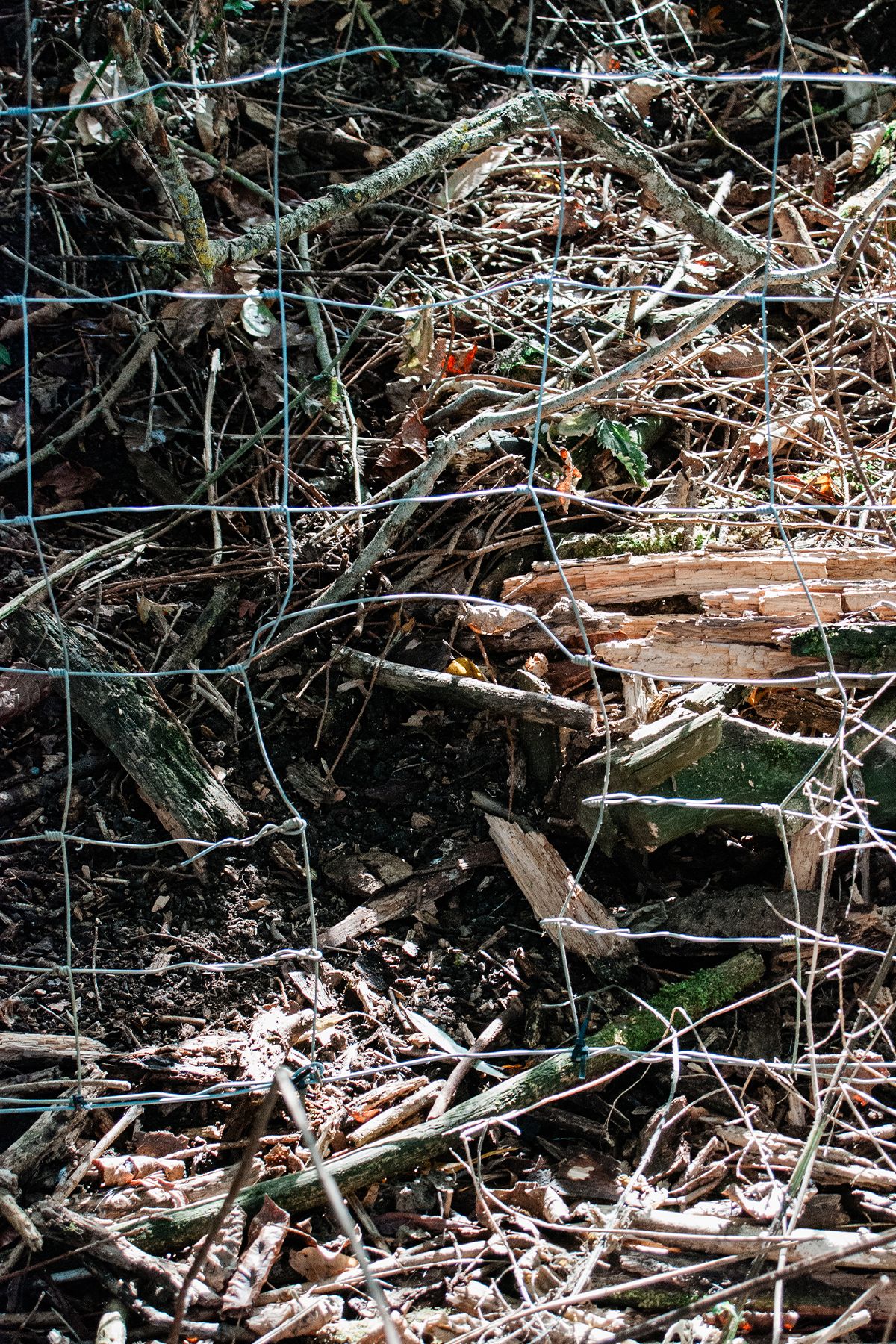
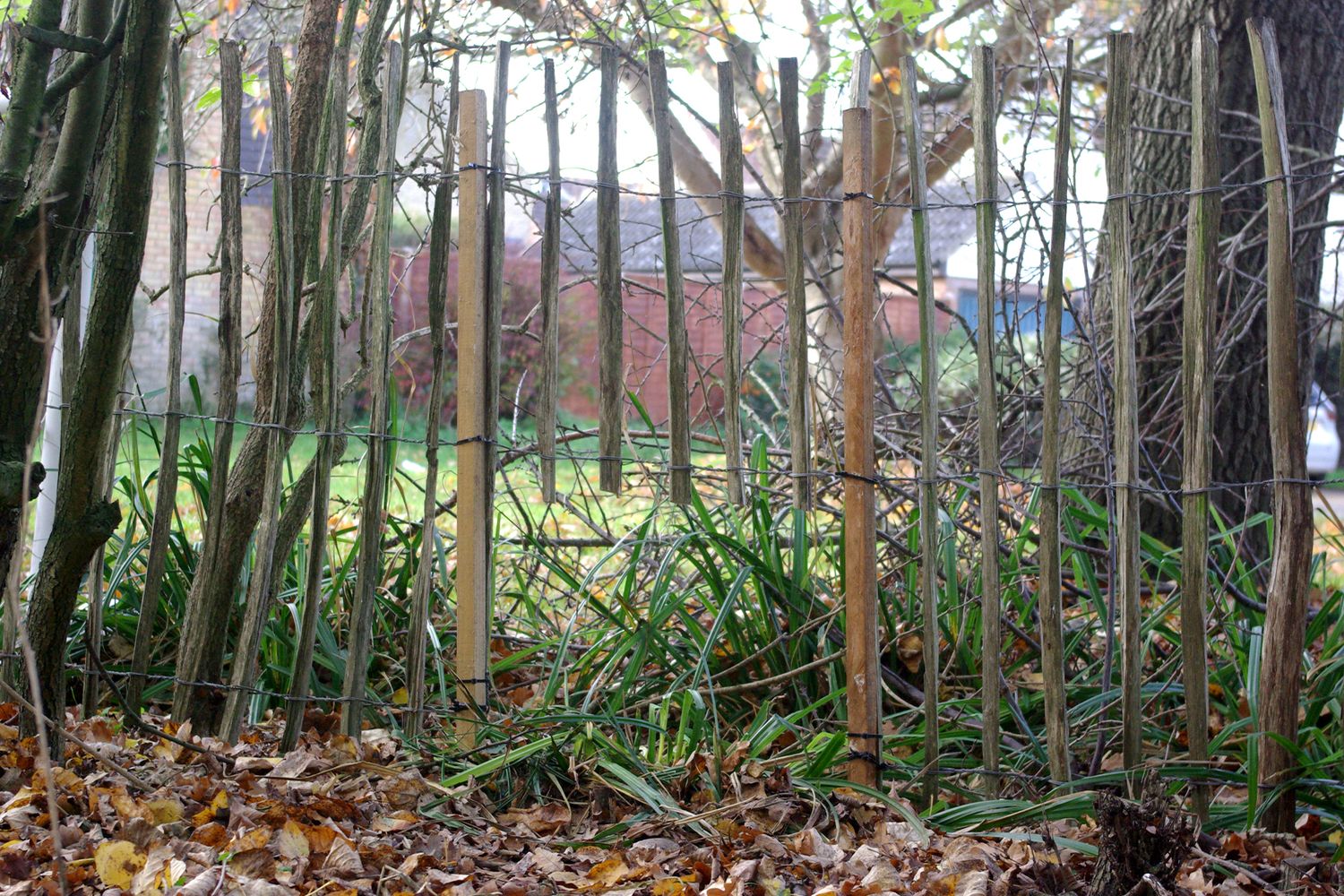
Since taking over Frowning Sparrow Woods, I’ve had to make continual adjustments to the fencing to try to stop muntjac deer from getting trapped.
When they’re very young, muntjac fawns can squeeze through the narrow gaps in the chestnut paling and the openings in the livestock wire fencing. The problem comes as they grow and continue trying to use the same gaps, only to find that their hips become stuck. I’ve already had to carry out one chestnut paling rescue with the help of my neighbours. Fortunately, on another occasion, a muntjac caught in the livestock fencing managed to free itself just as I arrived. Had it been another week older, though, the outcome might have been very different. We’ve had several fawns born this year, and I’ve started noticing many areas where the square openings in the livestock fencing have become distorted, which is concerning. I suspect these are places where the youngsters have grown too big to squeeze through easily and have had to push their way out.
At this stage, I can’t make all the fencing completely wildlife-friendly, so I’m doing what I can to reduce the risk. I’m widening the openings in the areas where the younger deer seem to favour crossing, in the hope that this will prevent them from becoming trapped and injured.
Eventually, I’d like to replace the fencing in the most vulnerable areas with something safer for wildlife, but that’s a project for another year. In the meantime, I’ll keep checking the fence and making adjustments wherever I can.
Hedgehog Houses ~ New Arrival!
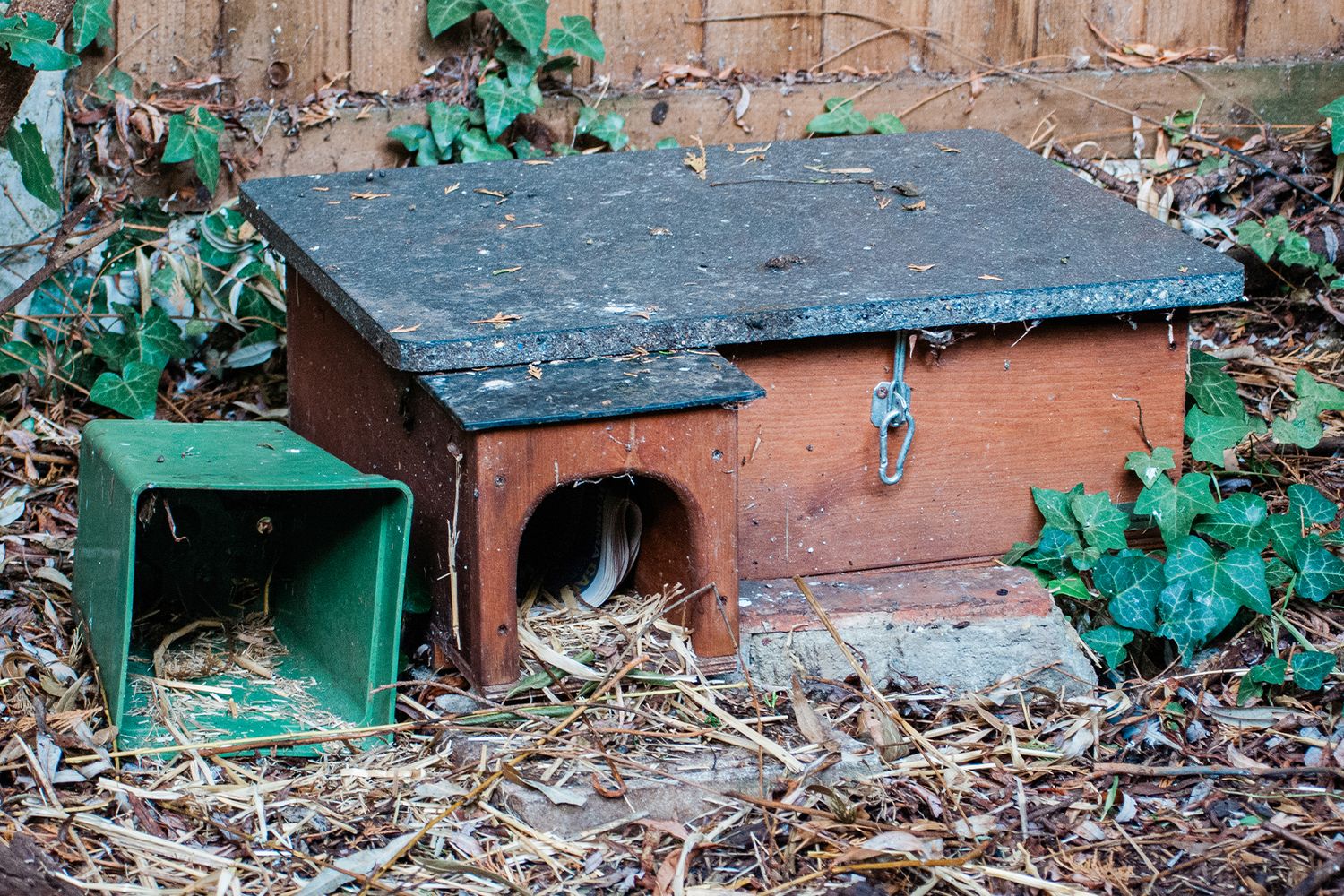
In my last Field Note, I mentioned that I was preparing my empty hedgehog houses for winter. I’ve been seeing a juvenile hedgehog in my garden feeding station about an hour before sunrise on several occasions, and had suspected it was living under the cherry laurel. Now, I think it may have claimed one of the houses I prepared!
All the straw I left in the container beside the hedgehog house has disappeared, and there’s straw in the entrance, which is a good indication that a hedgehog has moved in. I can’t be certain it’s my little visitor, but the signs are encouraging, and I’m hoping it has found a safe place to settle in for the colder months.
I’ll be keeping an eye on the house at Frowning Sparrow Woods to see whether a hedgehog moves into the empty, prepared shelter. I’ll also be checking to see if the other two houses become vacant so I can get those ready for winter, too.
Behind the Lens
Slow Shutter - Wild Land
If you like photography, don't forget to check back on the 8th of March, June, September, and December for my quarterly photo newsletter all about the gear I use.
Coming on 8th December ~ I am Nikon, even at my worst I am still the best.