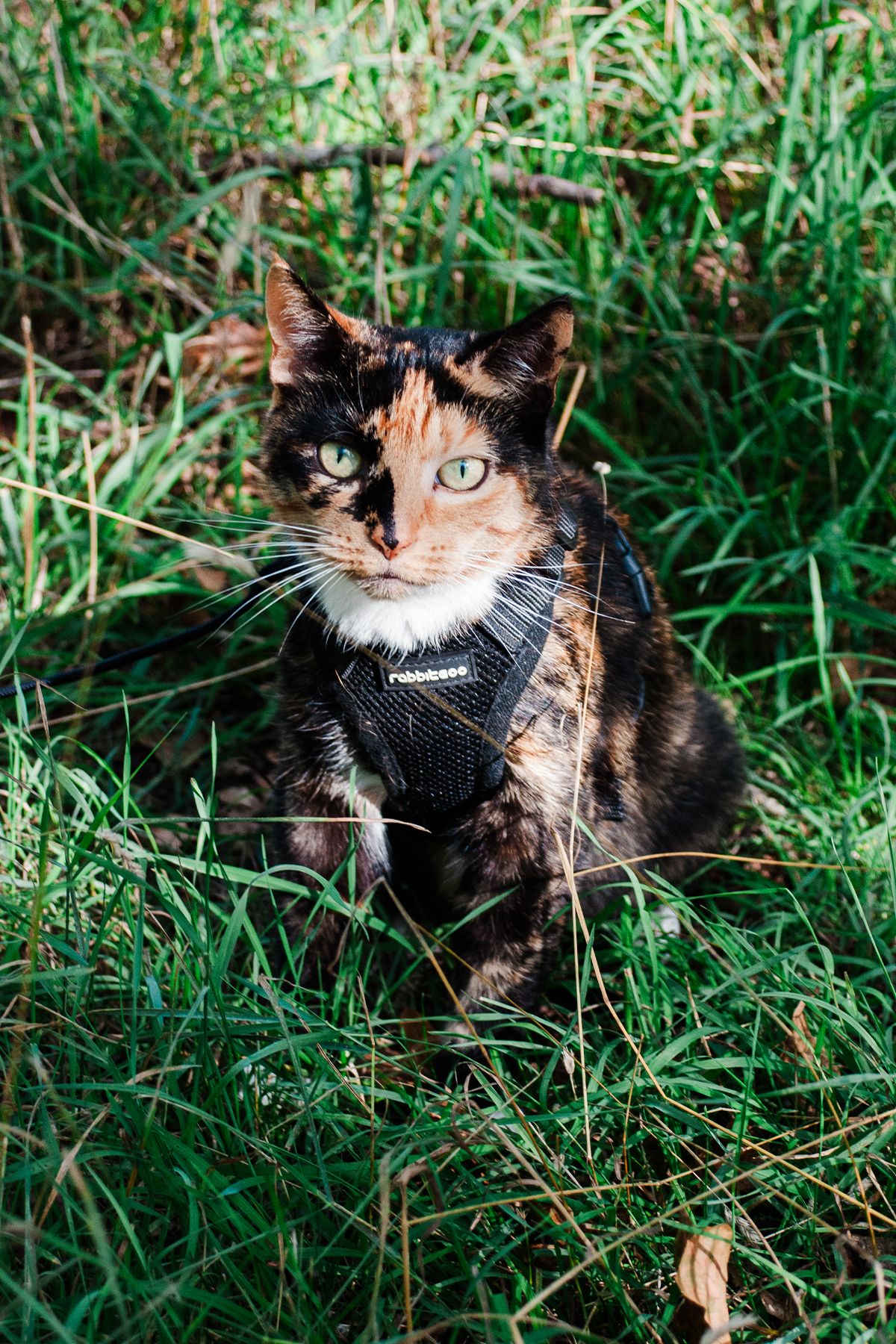
Willow (Pumpkin)
Meet the Toe-Bean Gang
If you love it, put a bell on it
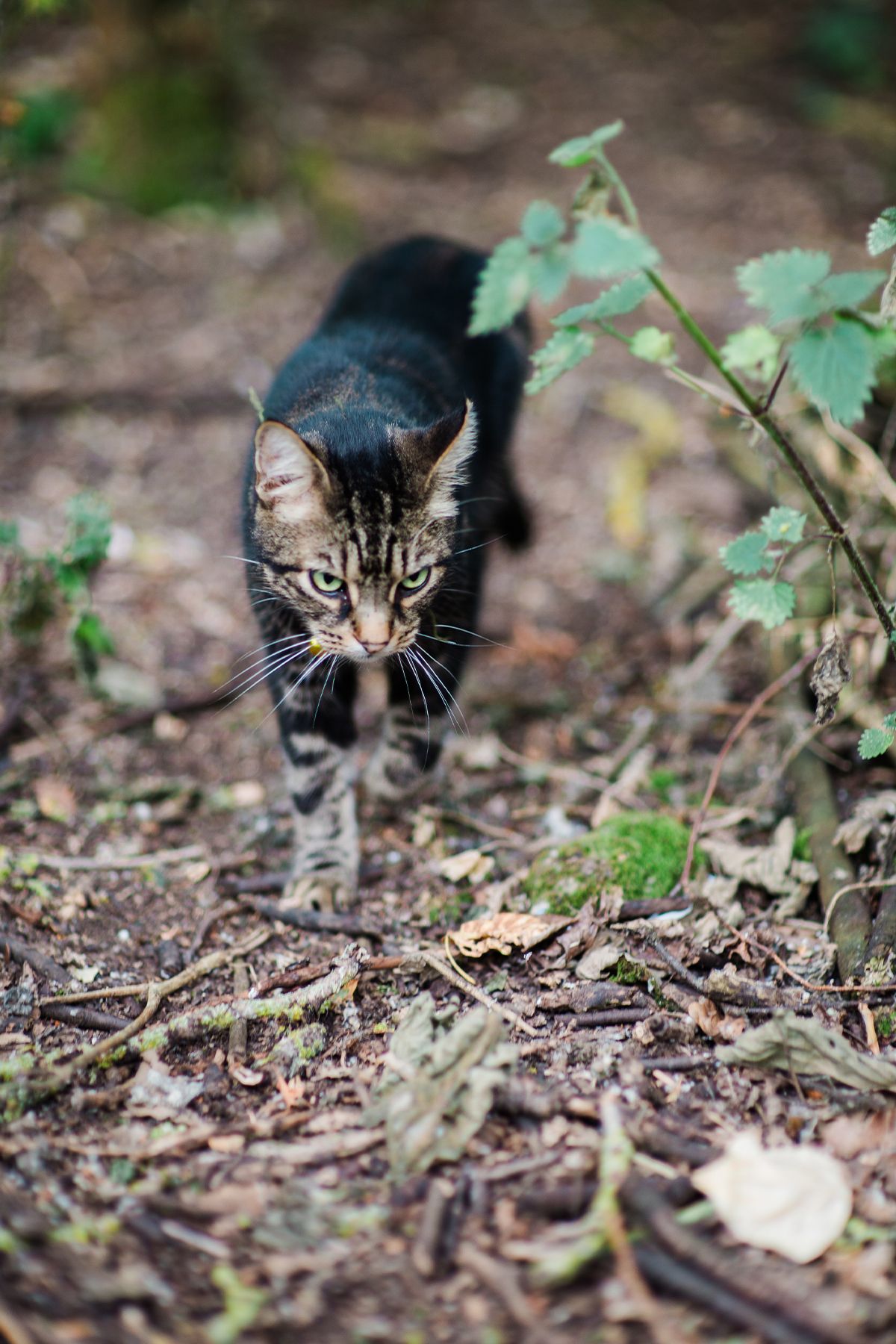
Gus-Gus
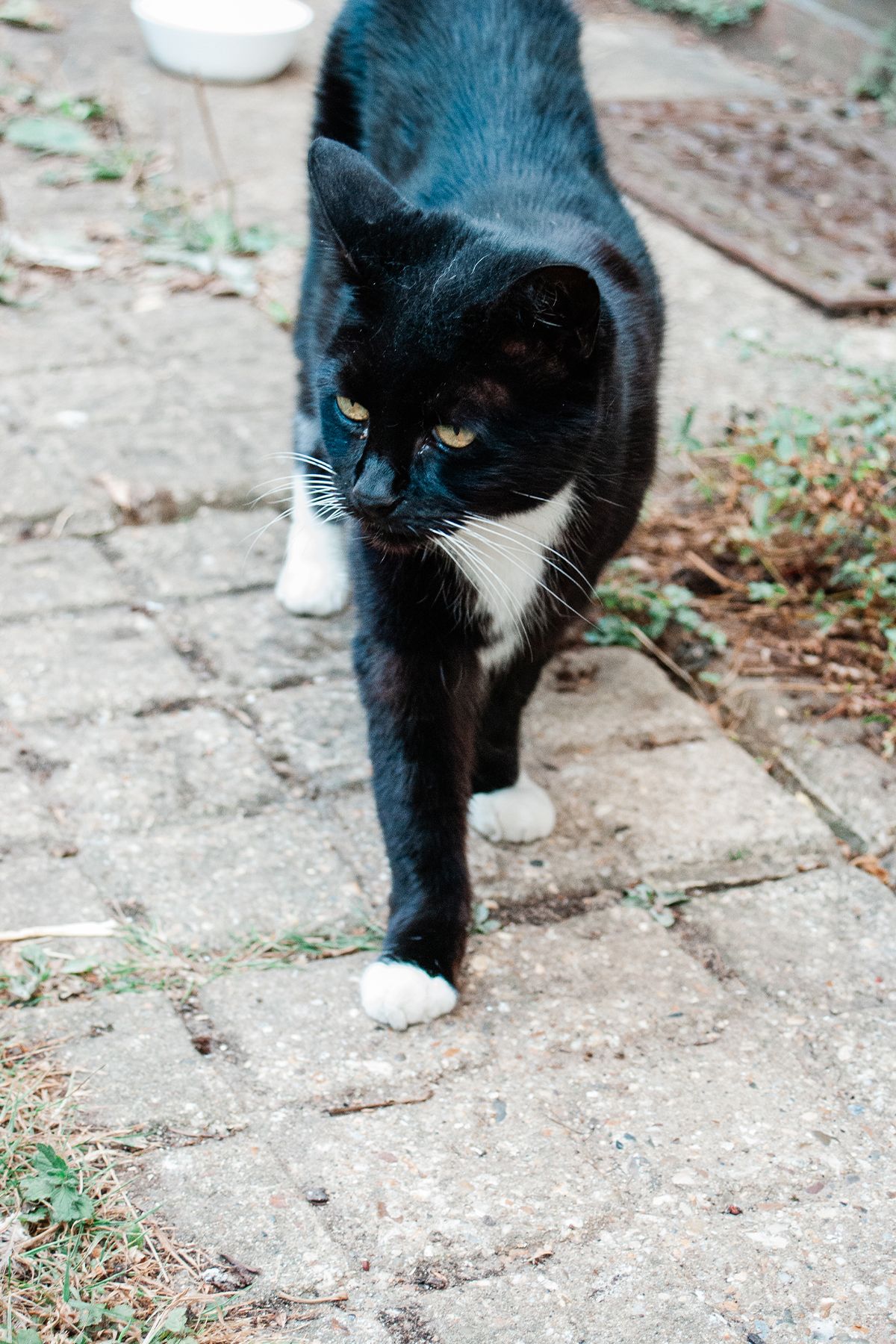
Hetty-Bear (Queenie)
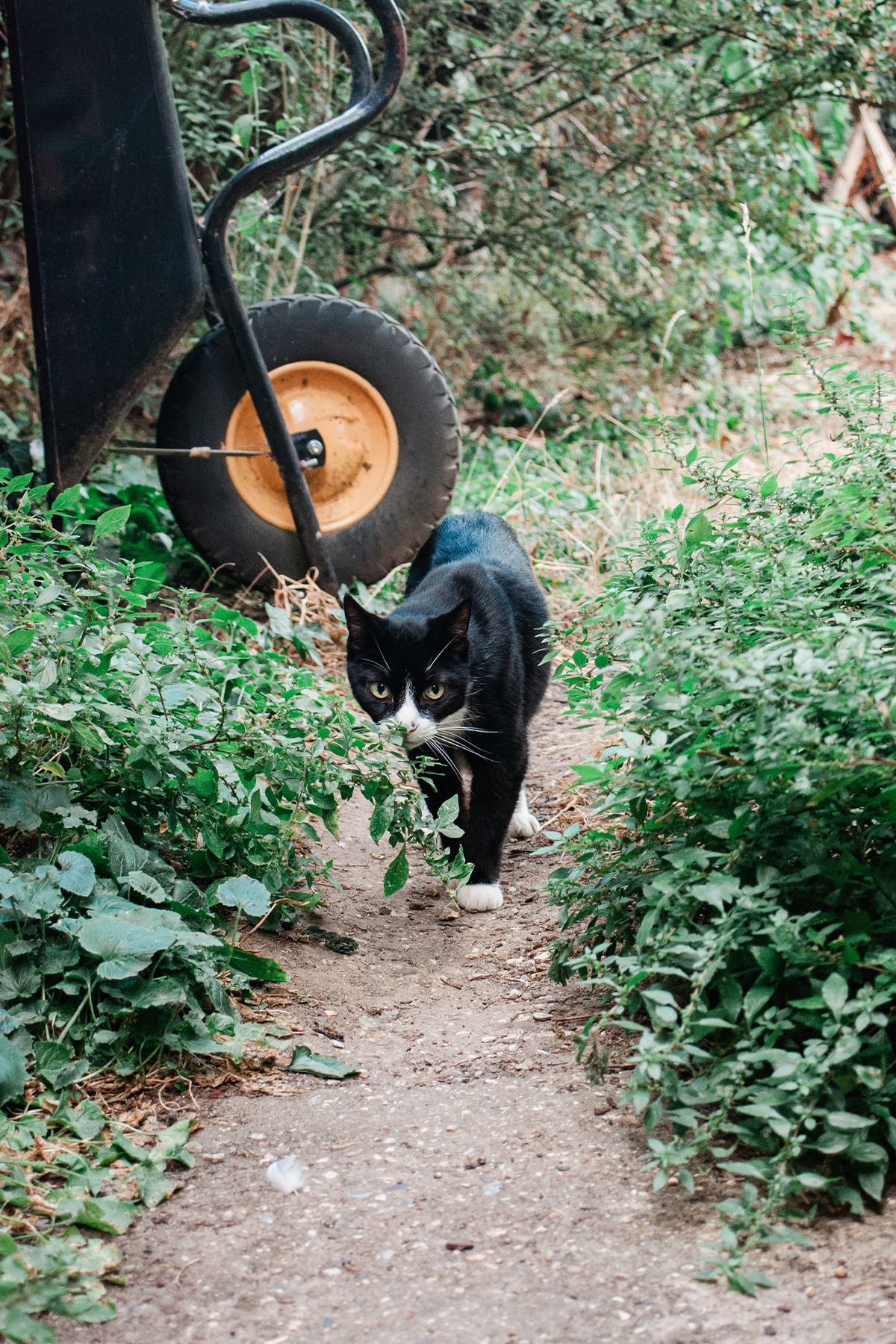
Rufus (Ruru)
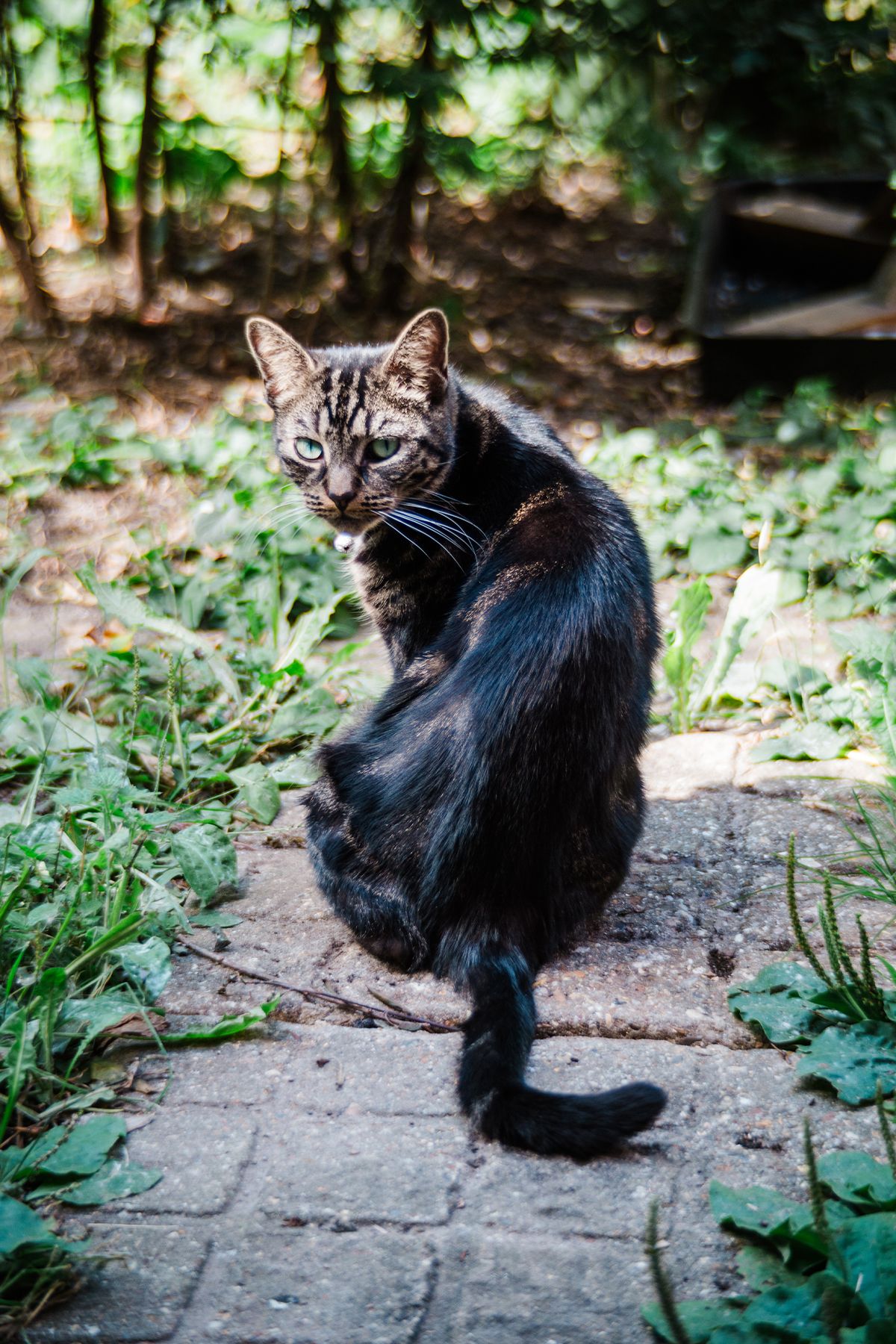
Kiwi (Keezie)
Our house is home to five cats. Whilst I love cats, their instinct to hunt can be a contradiction to my love for wildlife. Fortunately, or unfortunately, only two of them are hunters: Gus-Gus and Kiwi. One I have very little control over, while with the other I have managed to reduce her impact on wildlife by making a few changes to her routine.
Hetty-bear is the eldest at fifteen and has become something of a guardian of the wildlife garden, protecting it from neighbourhood cats. Birds can pretty much feed off her back without any fear of being caught. The originals, the ones we have had since kittens, Willow and Rufus, are now eleven years old, and I can count each of their kills on one hand. Rufus understood from a very early age that I didn't like him killing wildlife. He seemed to take this as a challenge to find other things to hunt instead, particularly anything smelly. Decomposing birds and dirty socks were favourites! Willow has never really shown much interest in hunting, preferring her toy called Stinky, which is now very old and grubby from all the play it has seen over the years.
All of them are harness trained. You never know when an emergency might strike, and having them comfortable on a lead could be beneficial. Willow and Rufus particularly love their harnesses and going for walks in Frowning Sparrow Woods. They are not confident cats, so this gives them the chance to spend time in nature and roam outside of the garden. Unless they are on their harnesses, Rufus and Willow are garden-only, supervised cats. Other than the occasional escape, which is rare, they don't roam beyond the garden. This is much safer for them too, as they are not streetwise at all and are prone to getting lost and stuck up trees when they do escape!
Gus-Gus, on the other hand, has certainly been a challenge in the hunting arena. He is a hunter, and that is final. Fortunately, I have managed to encourage him to enjoy being indoors almost as much as being outdoors, although he remains pretty much untrainable in every other domestic sense. Like the litter tray. I'm pretty sure he uses this as his bargaining tool: 'Let me out or I wee where I stand!'
Kiwi is our other hunter and she loves birds, which makes me particularly sad. I hate this. She doesn't understand that the local blackbird population is in decline or that Greenfinches are on the Red List, so I do my best to manage when she is outside. I keep her in when the garden is busy, put barriers up in her favourite garden hunting spots, and let her out for a few hours mainly after the sun has gone down, but before the night-time creatures are making their way out to forage. This plan seems to work well for both her and the local wildlife.
I know people will simply say that it is natural for a cat to hunt so let them be.
But what people often overlook is that, while it is natural for a cat to hunt, it isn't natural to have such a high density of predators concentrated in one small area, all hunting the same wildlife. That is where the real problem lies.
I see it on my camera trap all the time. The same cat walking past my camera, sometimes as much as three times in a single night, with something different in its mouth each time. If that happens most nights, the numbers of dead creatures quickly grow. A few birds or mammals caught each night by one cat can add up to well over a thousand animals in a year. Multiply that across all the cats living around a small patch of habitat and you can begin to understand why I worry about the pressure on local wildlife. And this makes me wonder about the decreasing sound of owls locally, and why I'm finding more and more hedgehog skins than when we first moved in. Even some bird species are now absent or seem to be struggling. Frowning Sparrow Woods is depleted in more ways than one, and I can't help but point my finger at the local cats for this ecological damage.
Personally, I think every cat owner has a duty of care towards wildlife and should do what they reasonably can to reduce their cat's impact. I know not all cat owners agree, and I understand that nobody can completely remove a cat's natural instinct, especially with cats like Gus-Gus where that hunting instinct is very strong and hasn't been redirected whilst young. But I do think we have options that give wildlife a better chance and four of my cats are living proof of that, and with Gus-Gus having two very loud bells on his break away collar appears to have made a difference to the amount and type of creatures he is catching.
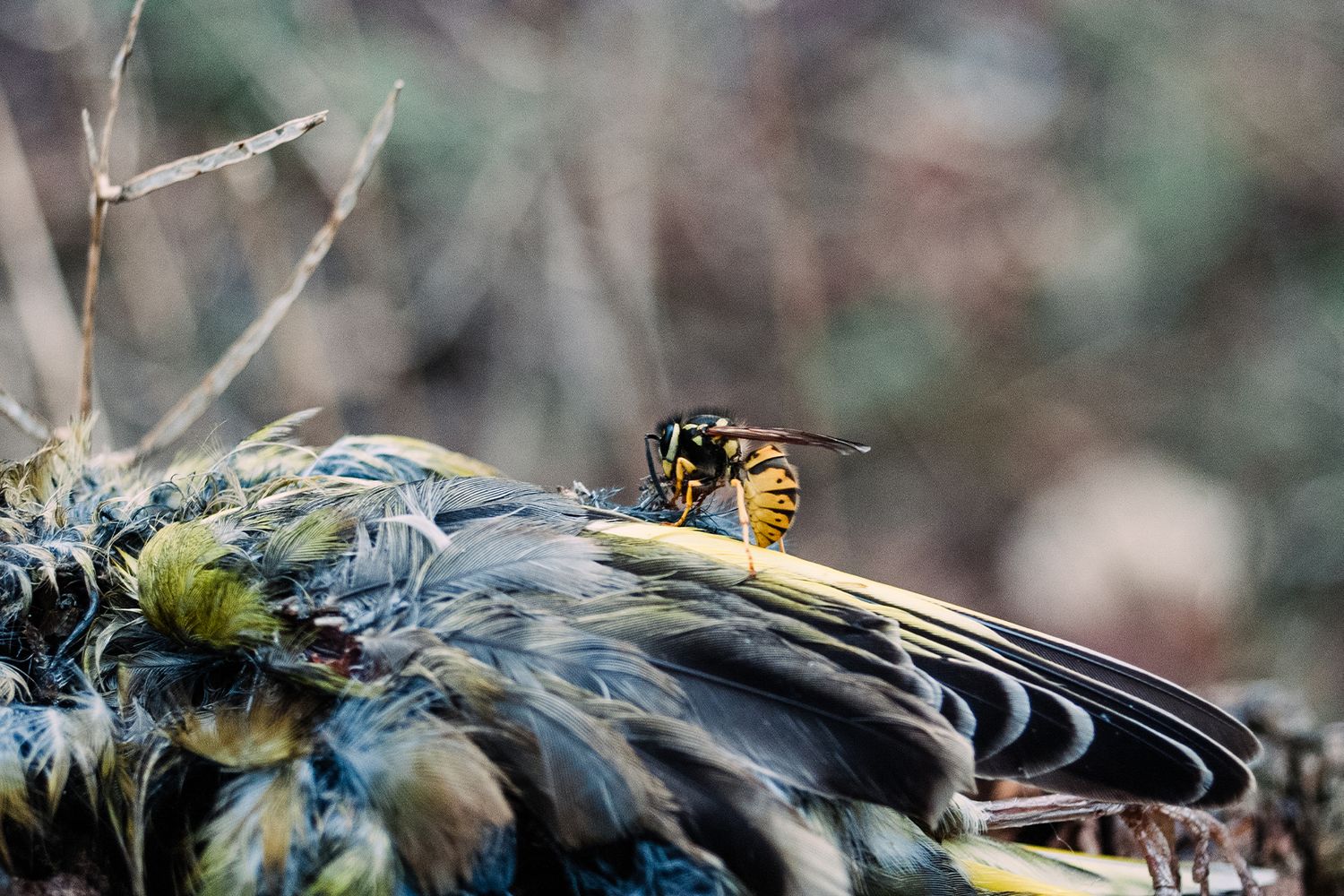
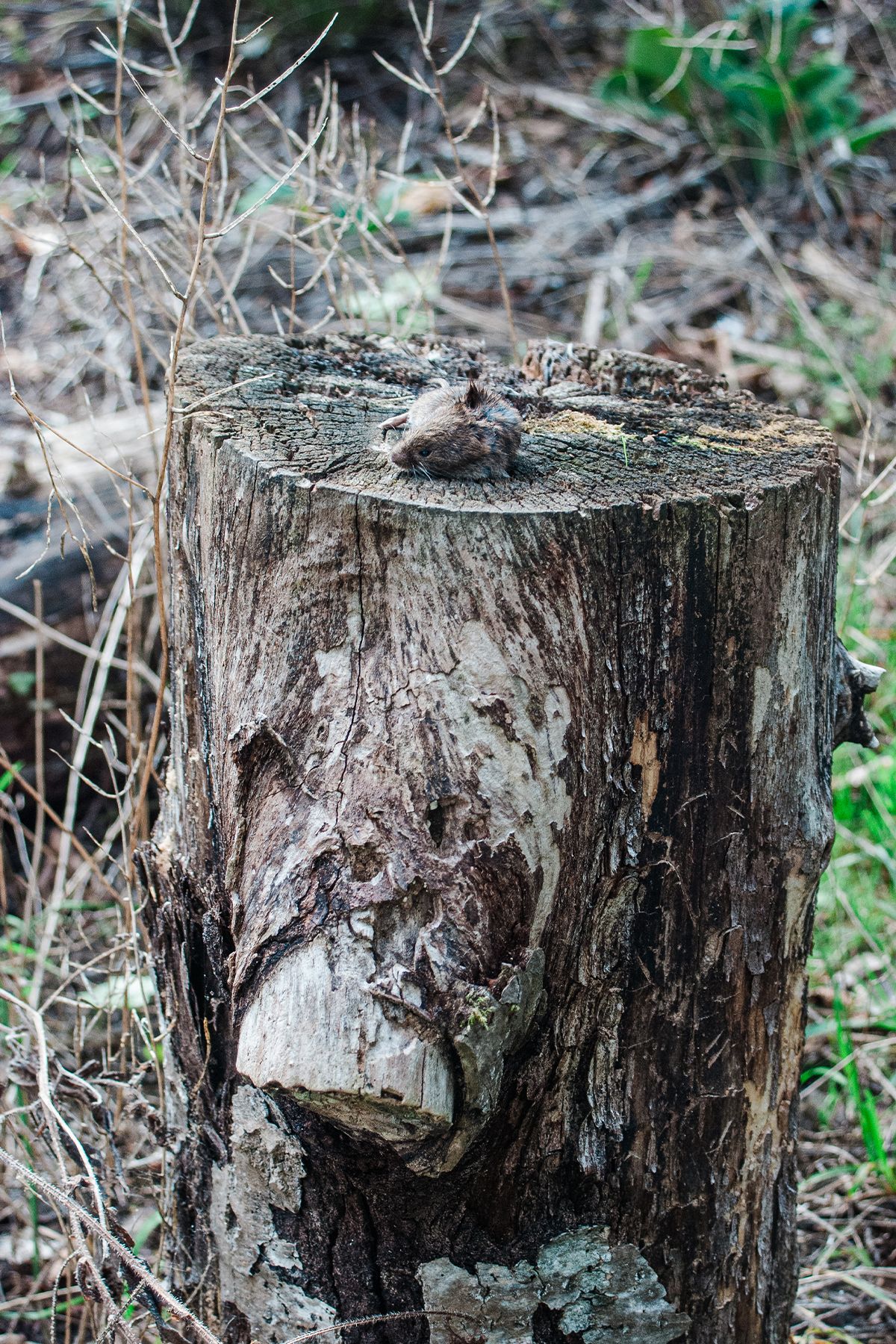
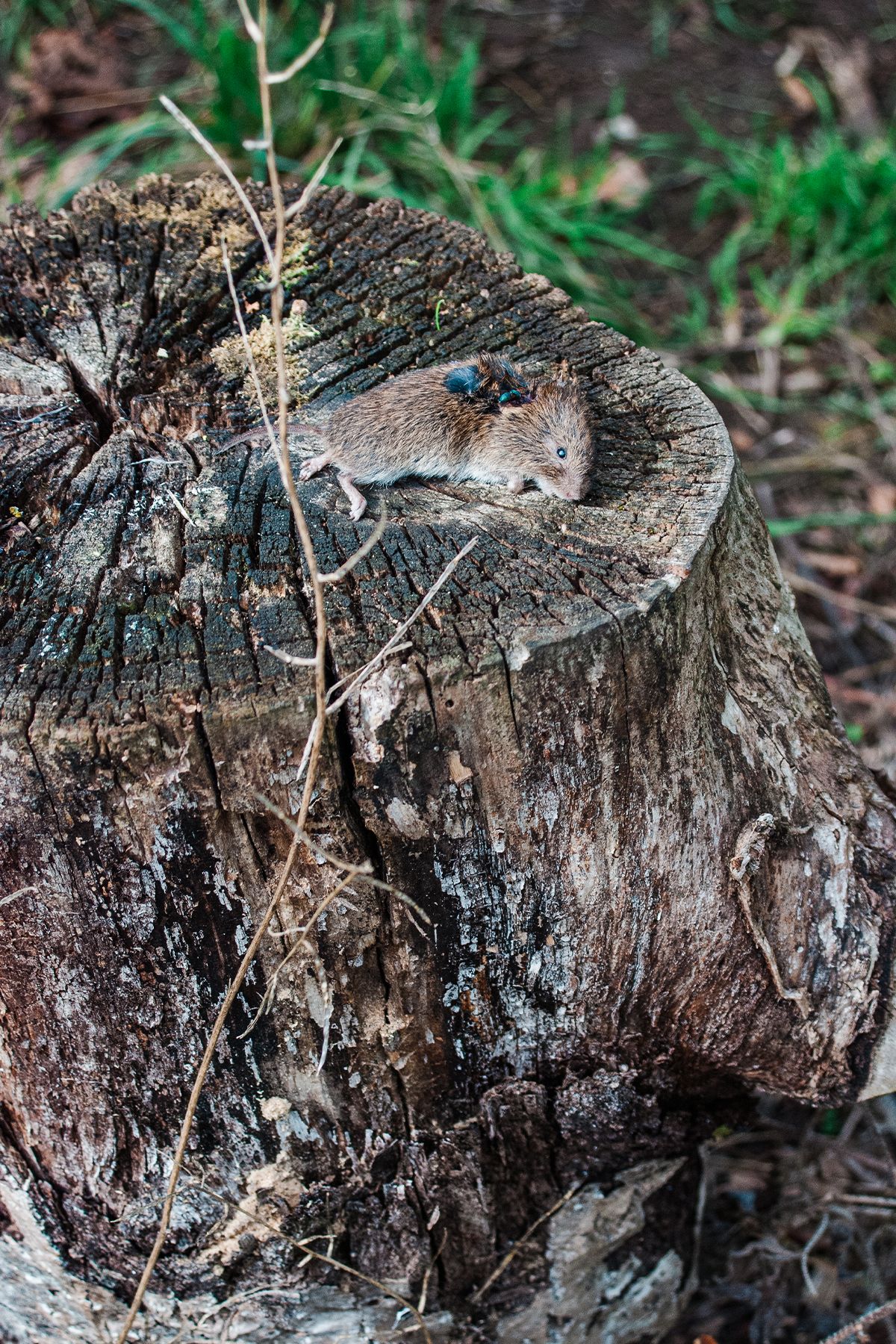
And lastly, I've experimented with what to do when I get one of those unwanted 'presents' left on the doorstep, although fortunately they are actually fairly rare here. At first I simply placed them on the meadow floor or tucked them under bushes, but they were much harder for scavenging wildlife to find. I've now set up an offering log where I leave dead mammals and birds, including rats caught in the bolt trap. The idea is to put these casualties back into the food web rather than simply throwing them away, providing food for red kites, magpies, foxes and badgers, and potentially for owls when they are struggling to find live prey. In a small way, it means that even an animal that has been killed by a cat can still have a purpose within the wider ecosystem.
Protecting the Ivy From the Deer
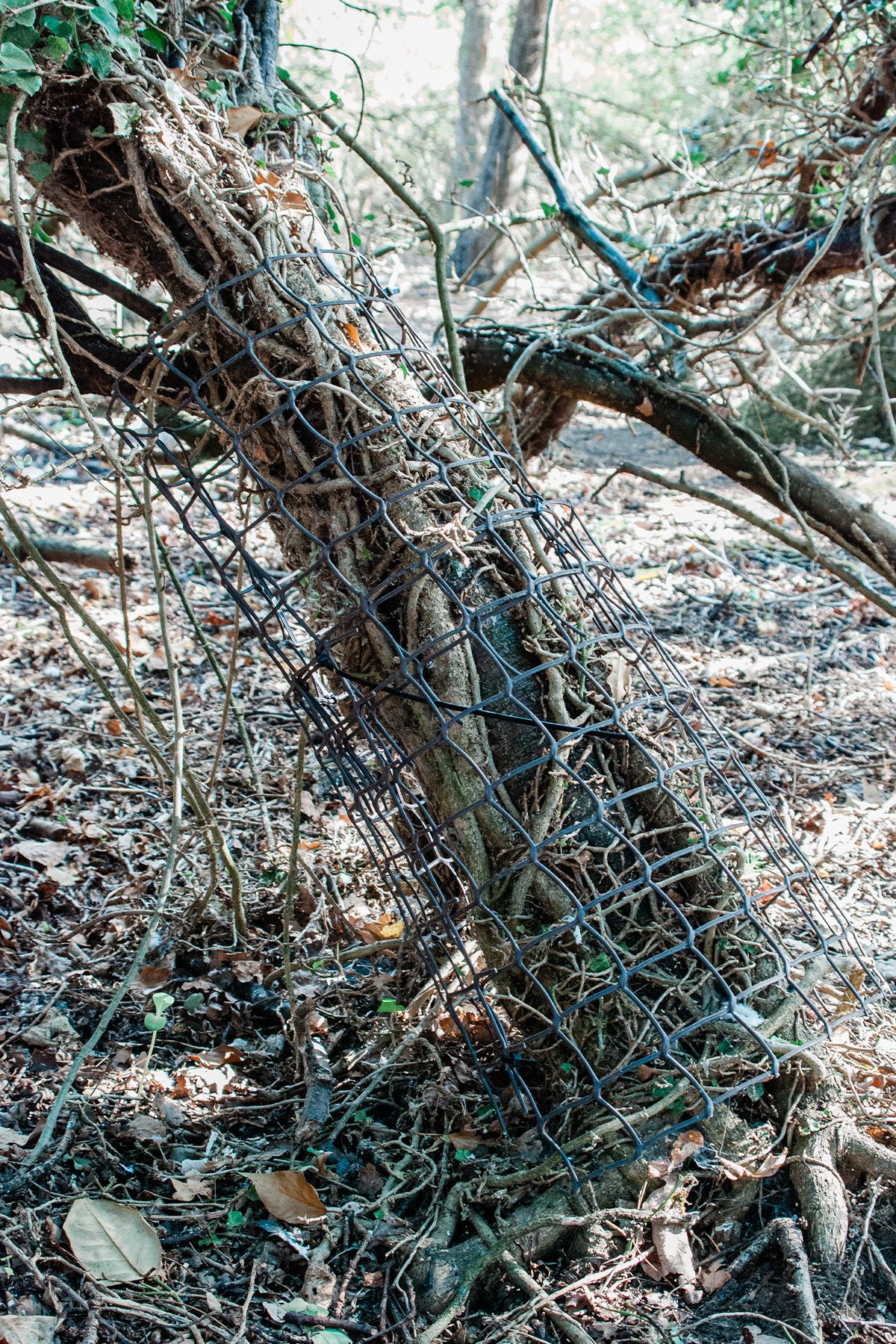
The first ivy stem protection has now been set up, and I’ll be trialling a few different methods to see what works best.
As I mentioned in my previous post, the deer are beginning to overgraze the ivy to the point where they are nibbling through the main root stems and killing off large areas of ivy that have been established here for around 40 years. I don’t want to lose this valuable nesting and pollinator-feeding plant, but I also want to be respectful of the deer and their needs.
My current thinking is to leave some of the less important ivy areas available for the deer to graze, and once the protected ivy plants have recovered and are flourishing again, I can open them up on a rotational basis. This will allow the deer to graze different areas without continually putting pressure on the same plants.
For the larger ivy stems that support huge, almost tree-like canopies, I may take a different approach and protect them completely. These are particularly valuable, and I’m considering using dead hedges around them, with hedgehog highways built into the protection. That would not only keep the deer away from the ivy, but create natural, sheltered places for hedgehogs to sleep and overwinter.
This is my thinking at the moment, but it is very much a trial. I’m still open to changing my approach as I see what works, and I’m always interested in hearing other people's ideas too.
Hedgehog Houses ~ Winter Preparation
It’s that time of year when the hedgehog houses need preparing for winter. I have four in total, three in Frowning Sparrow Woods and one in my garden. They all used to be in the garden, but as the rat population grew, so did their love of using the hedgehog houses for breeding. I eventually had to move three of them because I was concerned about hedgehogs being attacked while they were inside their homes.
At the moment, only two of the houses are free for me to prepare for winter hibernation. Two are already occupied, although I’m not entirely sure by what! Hopefully hedgehogs, but they could be rats. I need to put a field camera out to see which of the two is using the boxes. Hopefully it won't turn out that I have accidentally provided another rather luxurious rat storage unit for dead creatures!
To prepare the houses, I line them with plenty of newspaper and add a sprinkling of dust-free straw. I also put a carton of extra straw next to the house which the occupants can take and use if they choose, although generally the hedgehogs seem quite happy to collect their own bedding from the leaves on the woodland floor.
The houses I use are Riverside Woodcraft Golden Brown Hedgehog Houses, which currently cost £74.99. They are expensive, but I think they are worth the money. The hedgehogs actually use them for hibernation, unlike some of the smaller houses which don't seem to be quite so attractive to the larger hedgehogs. I would rather have fewer, well-used houses than fill the woods with shelters that the hedgehogs simply don't choose to use.
In the future, I hope to build some natural hedgehog shelters using natural materials from the woodland itself. But with so much else to consider, that is a few years down the line, once the understory restoration is underway and the riverbank has been stabilised.
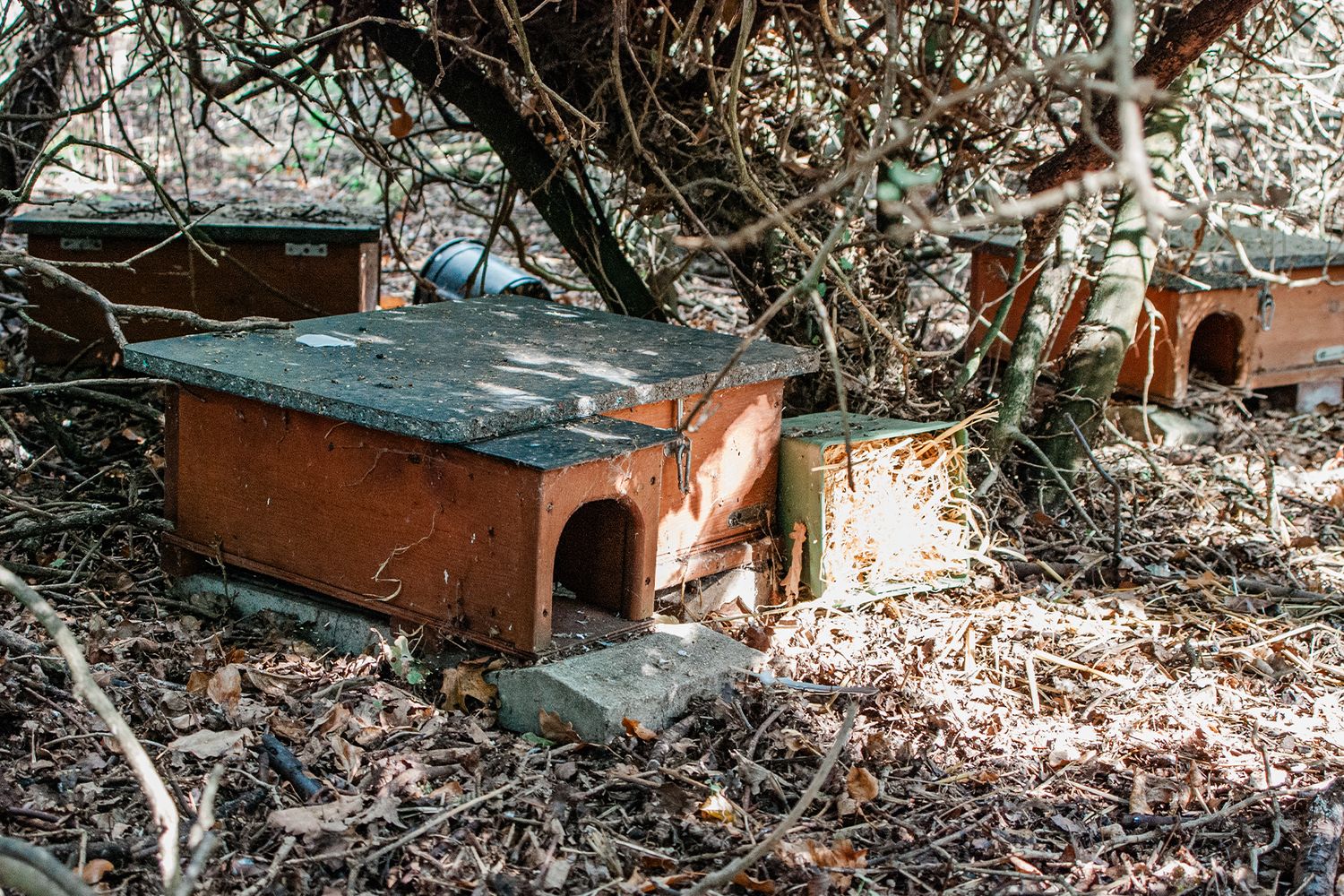
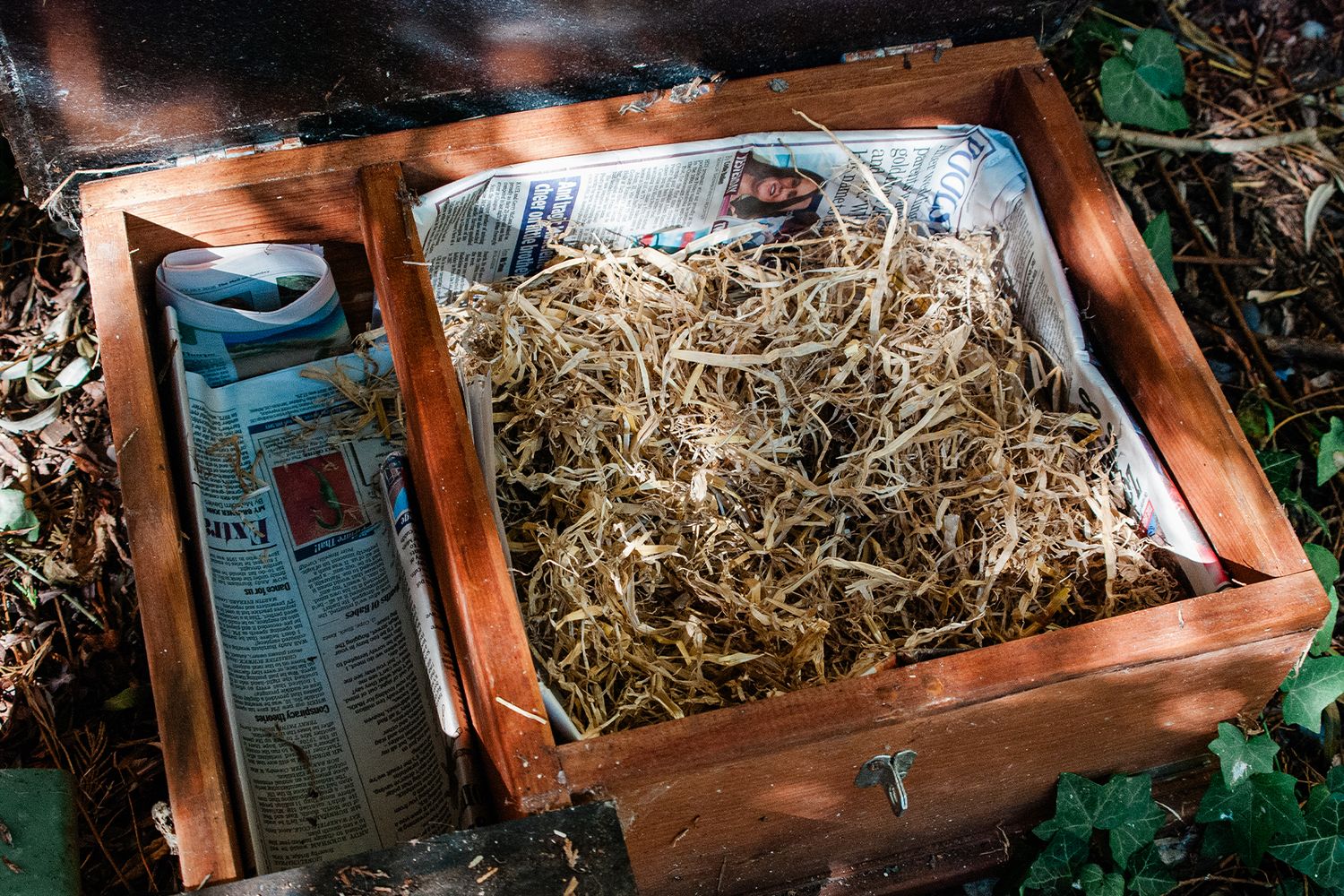
Bedding Collection - One of my older smaller houses, now used as an insect house.
Behind the Lens
Slow Shutter - Wild Land
If you like photography, don't forget to check back on the 8th of June, September, and December for my quarterly photo newsletter all about the gear I use.
Coming on 8th December ~ I am Nikon, even at my worst I am still the best.