FallingTrees & Branches on Windy Days
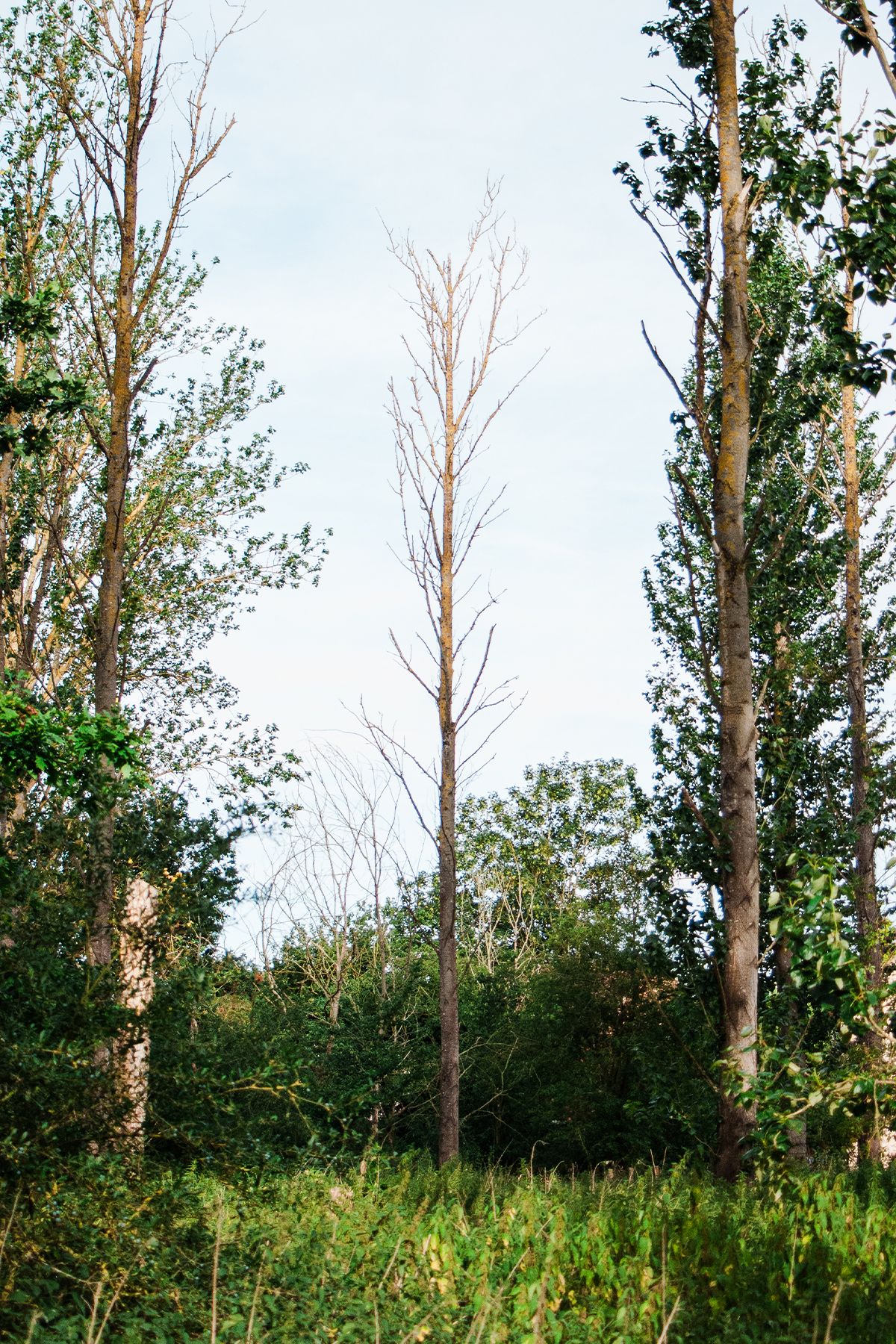
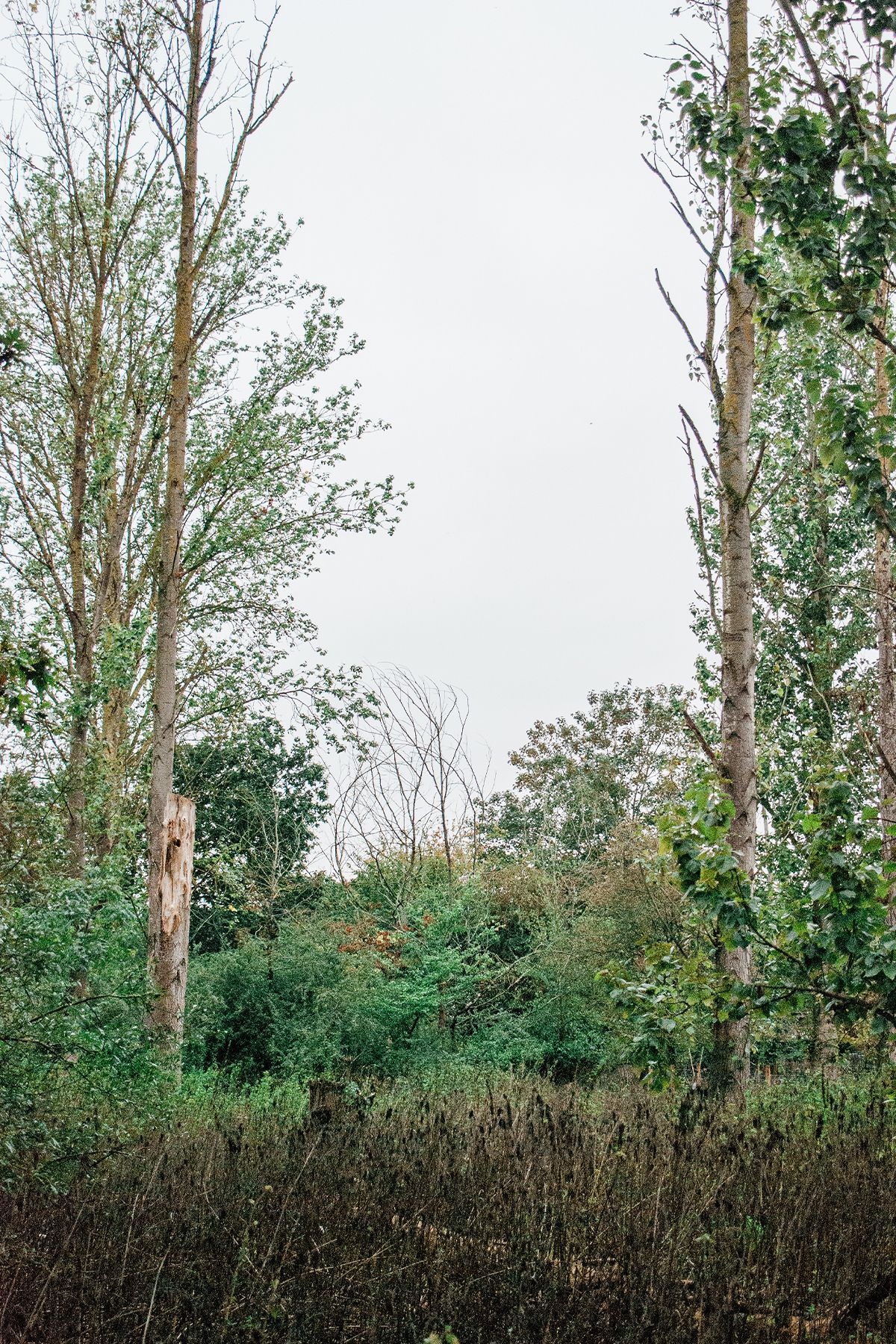
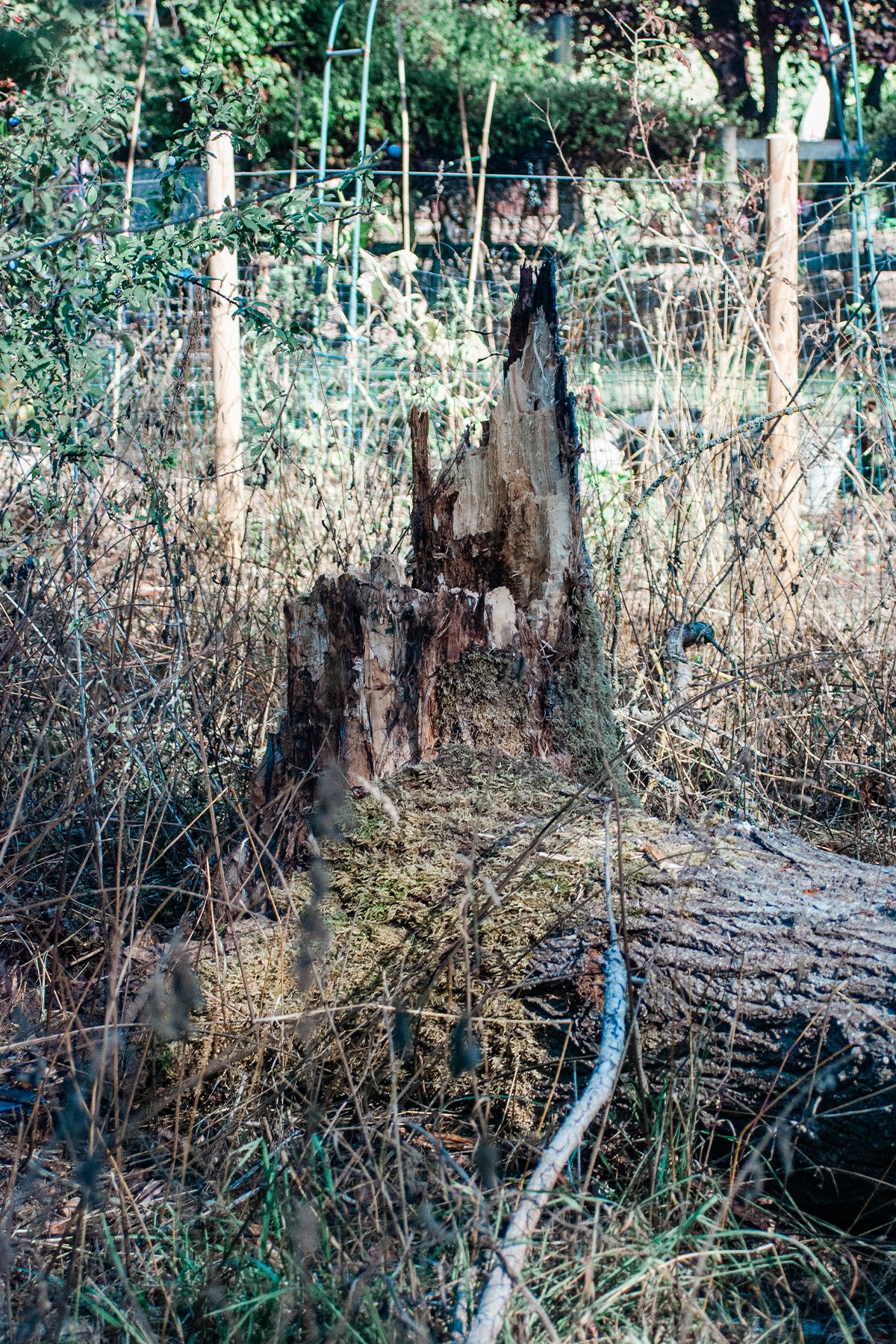
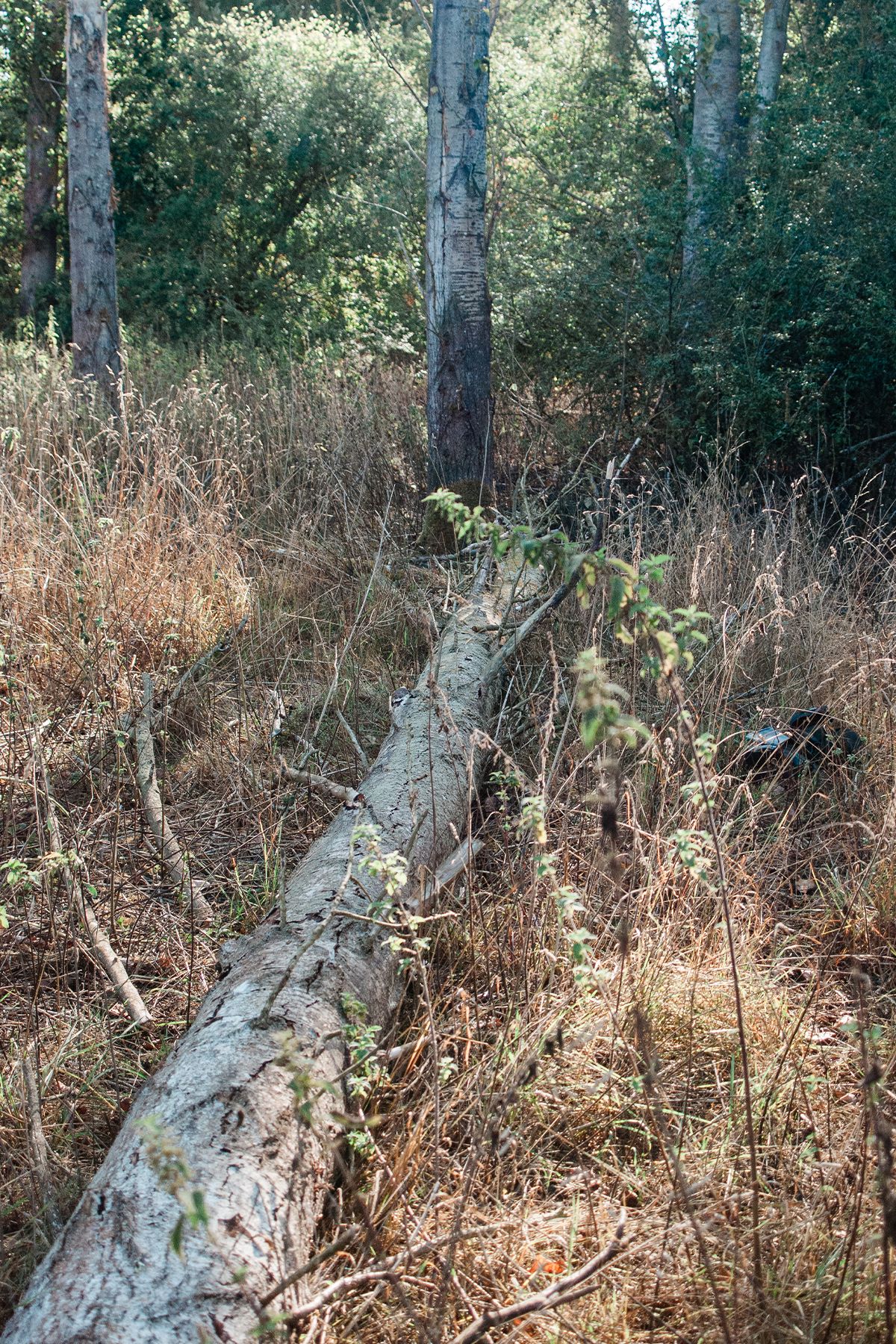
There is a very good reason why I don’t venture into Frowning Sparrow Woods when the gusts of wind reach 30 mph or more. The poplar snags are now forty-plus years old and, the ones which are dead or dying, are prone to dropping limbs and rotting at their core, making them susceptible to falling even in strong gusts.
One of the large poplar snags I photographed in summer decided not to wait for the arborer to arrive to be felled. It decided it was going on its own terms!
It felled itself in a strong gust of wind to perfection, exactly where I would have wanted it to go. The only damage it did, on the way down, was the removal of a small dead branch from a blackthorn and a graze to the base of another poplar tree.
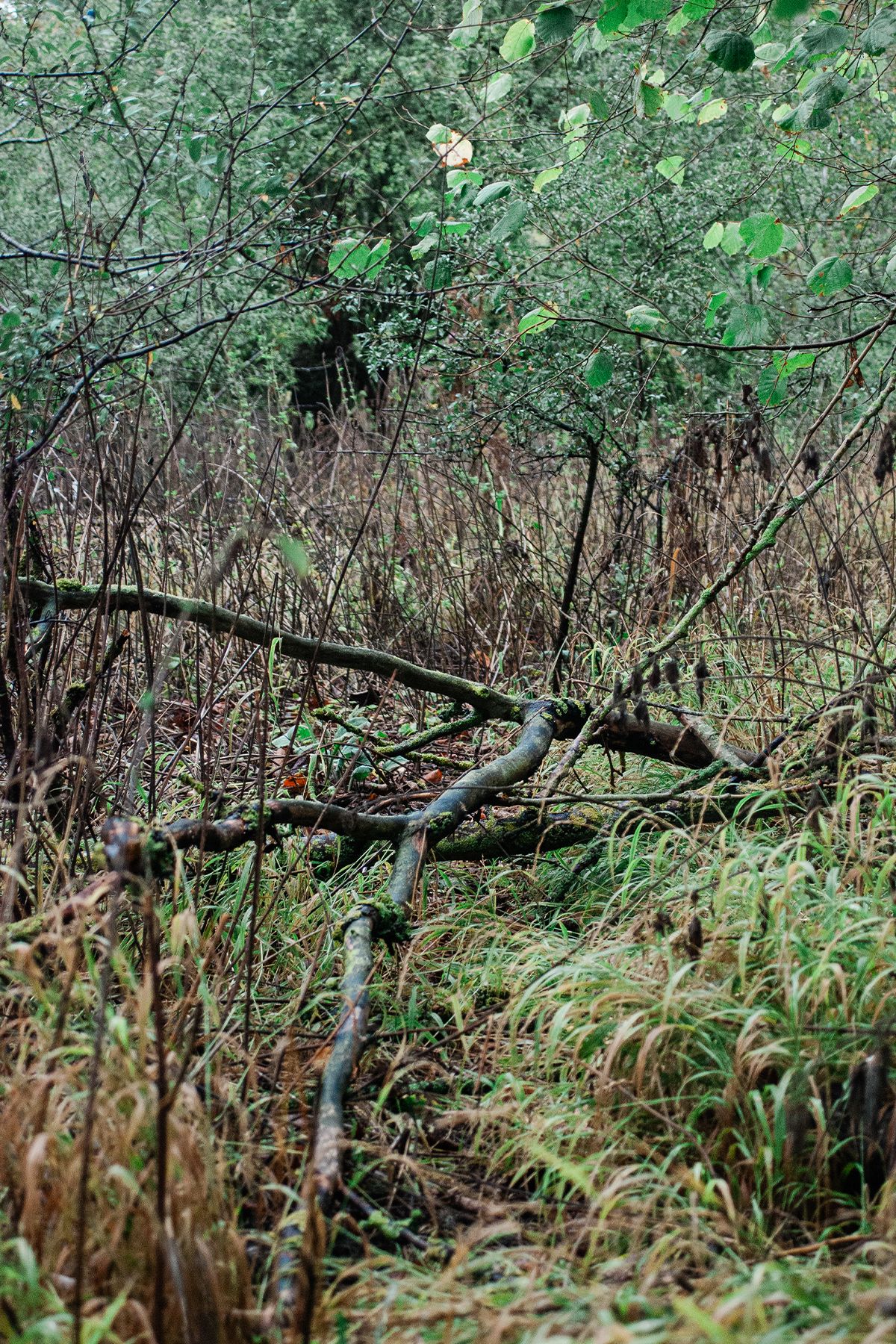
What I find more problematic are the dead branches falling from the dying and dead poplars. They land across other trees and the blackthorn scrub, causing considerably more damage. Sometimes I don't even know which tree the branch has come from as it rests so far away from any of the poplars, as if hurled in anger by Thor himself!
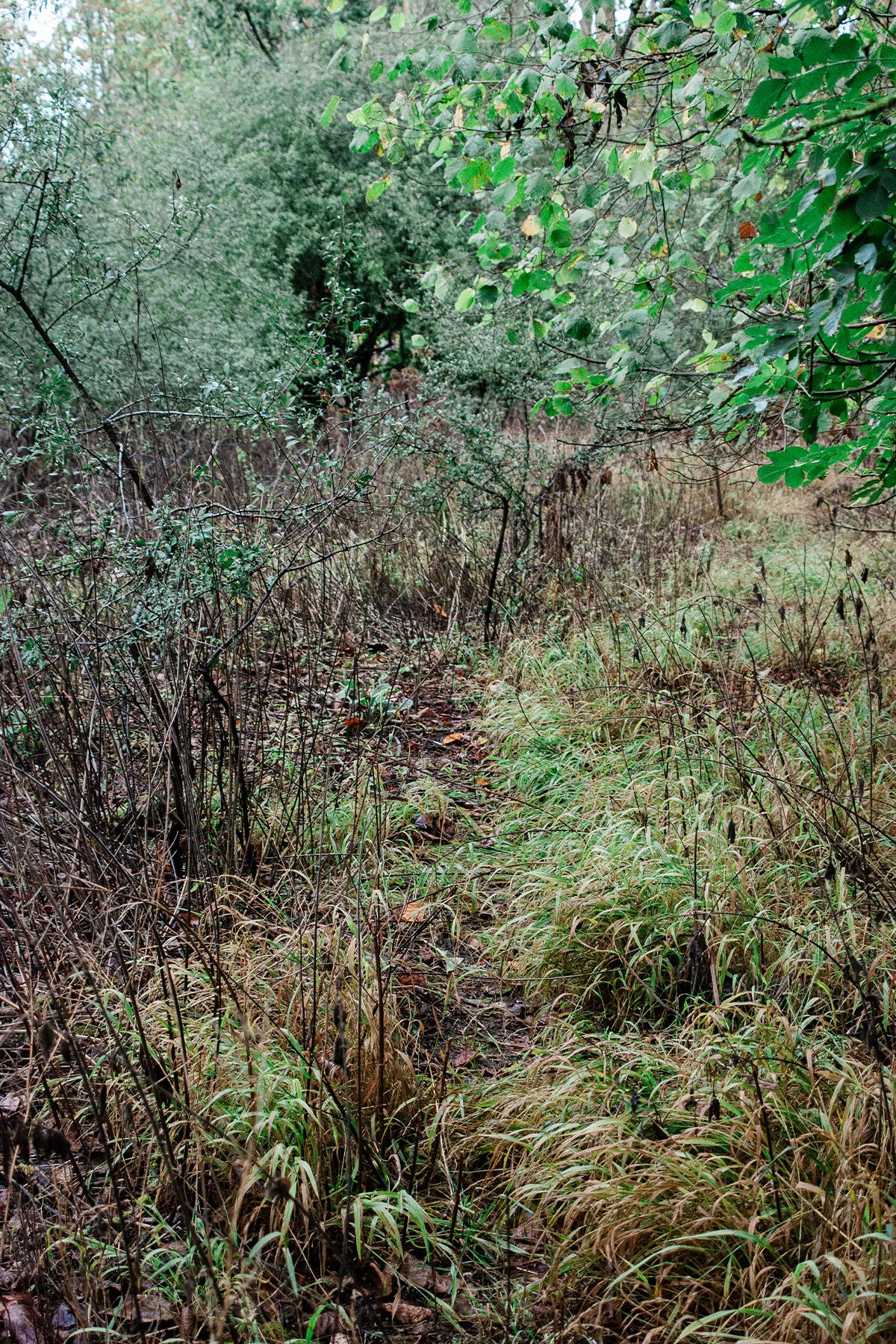
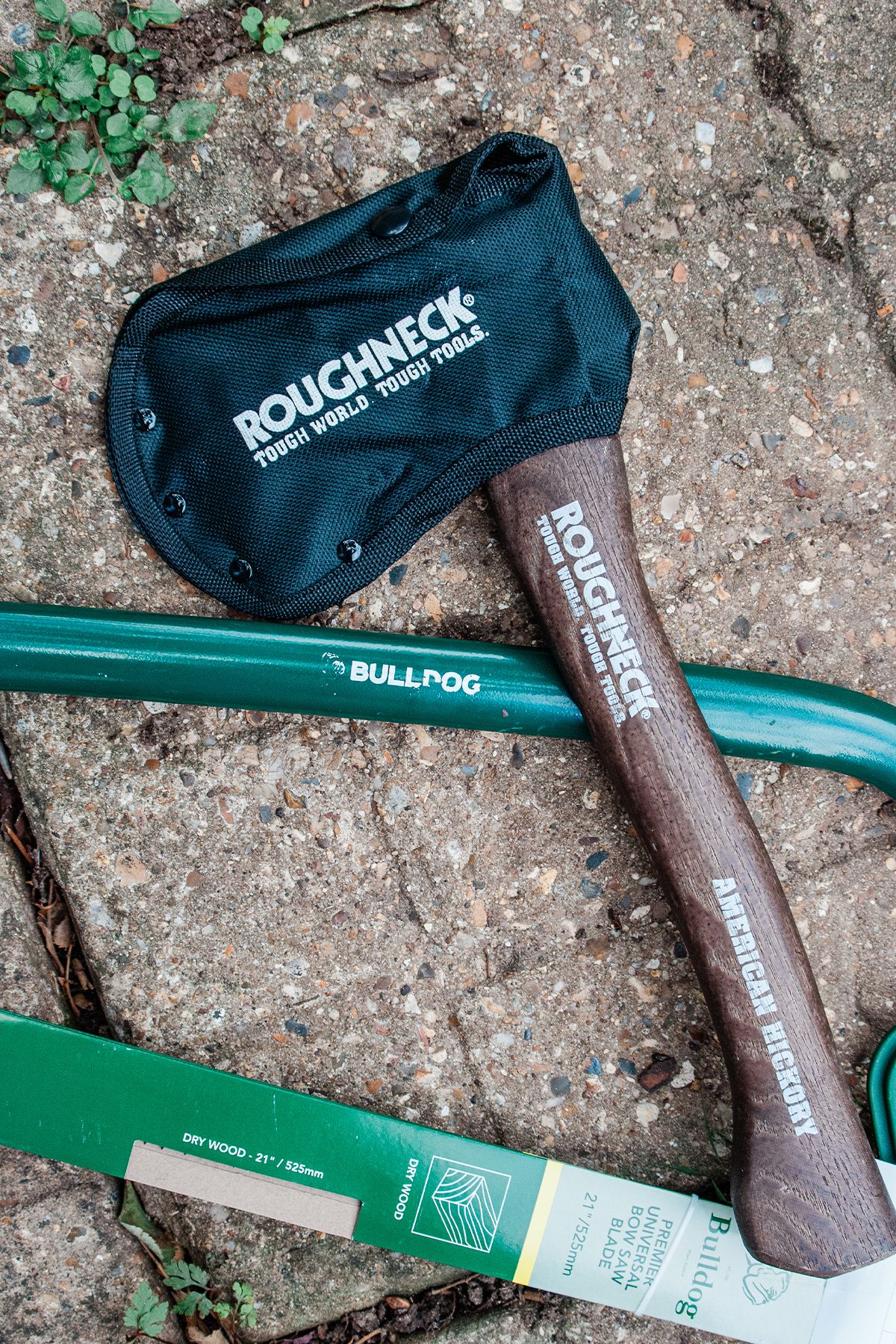
This time, a large branch came down across my pathway. Too heavy to drag, it needed cutting up, which was very frustrating to do with a panel saw! The only saw we had. I've now invested in some new tools, a bow saw and hatchet, in the hope it might make cutting branches easier in the future.
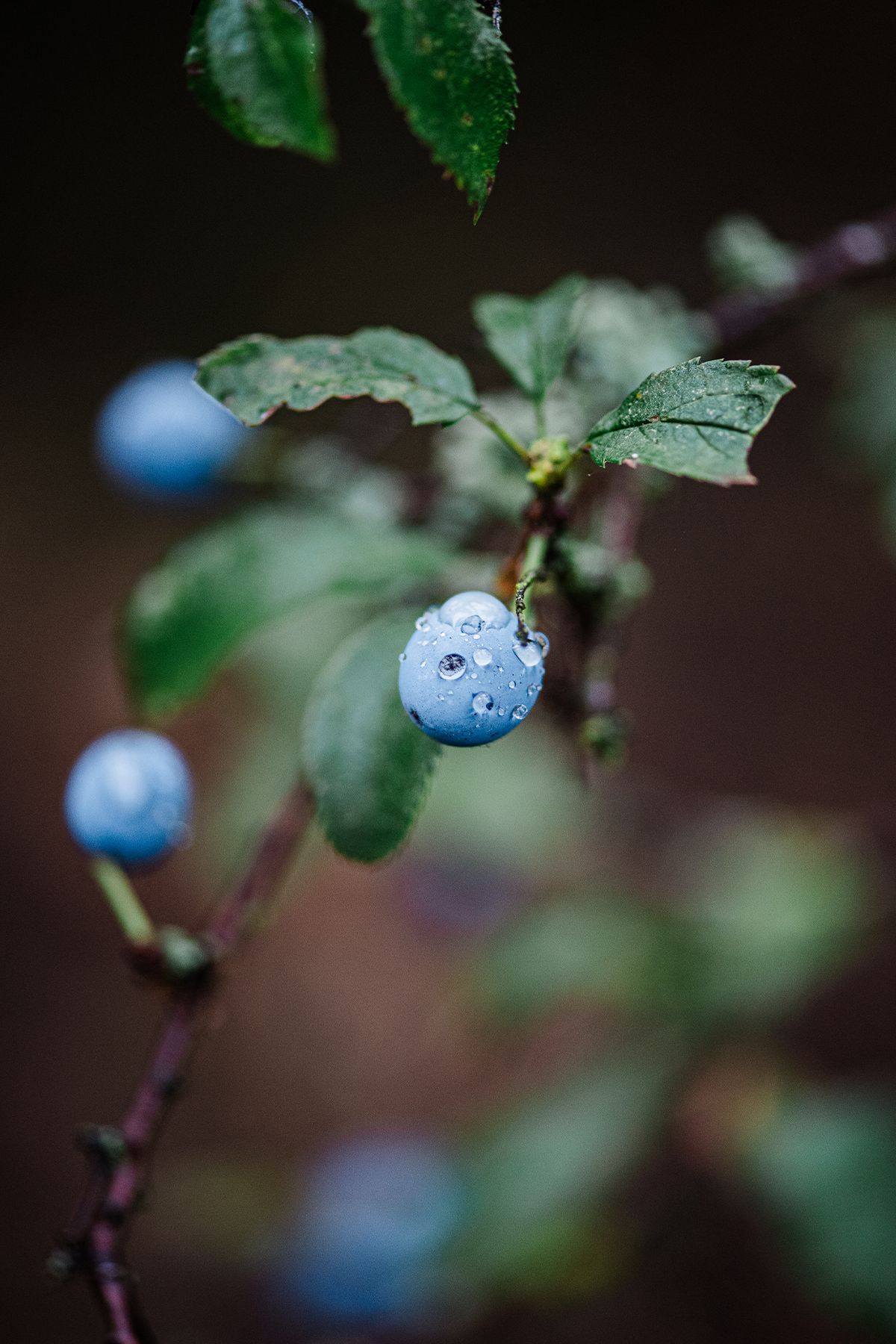
Bejewelled by Rain
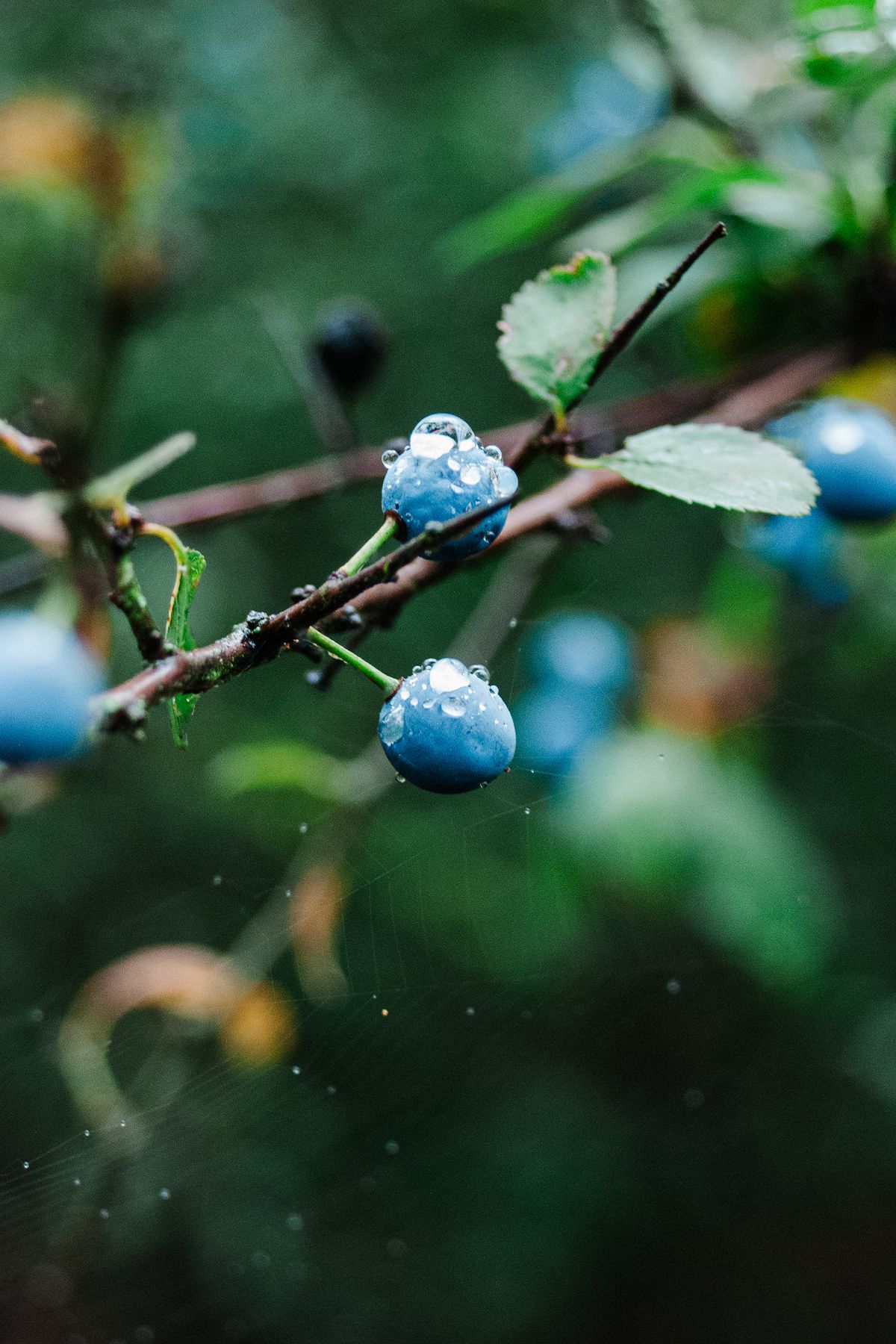
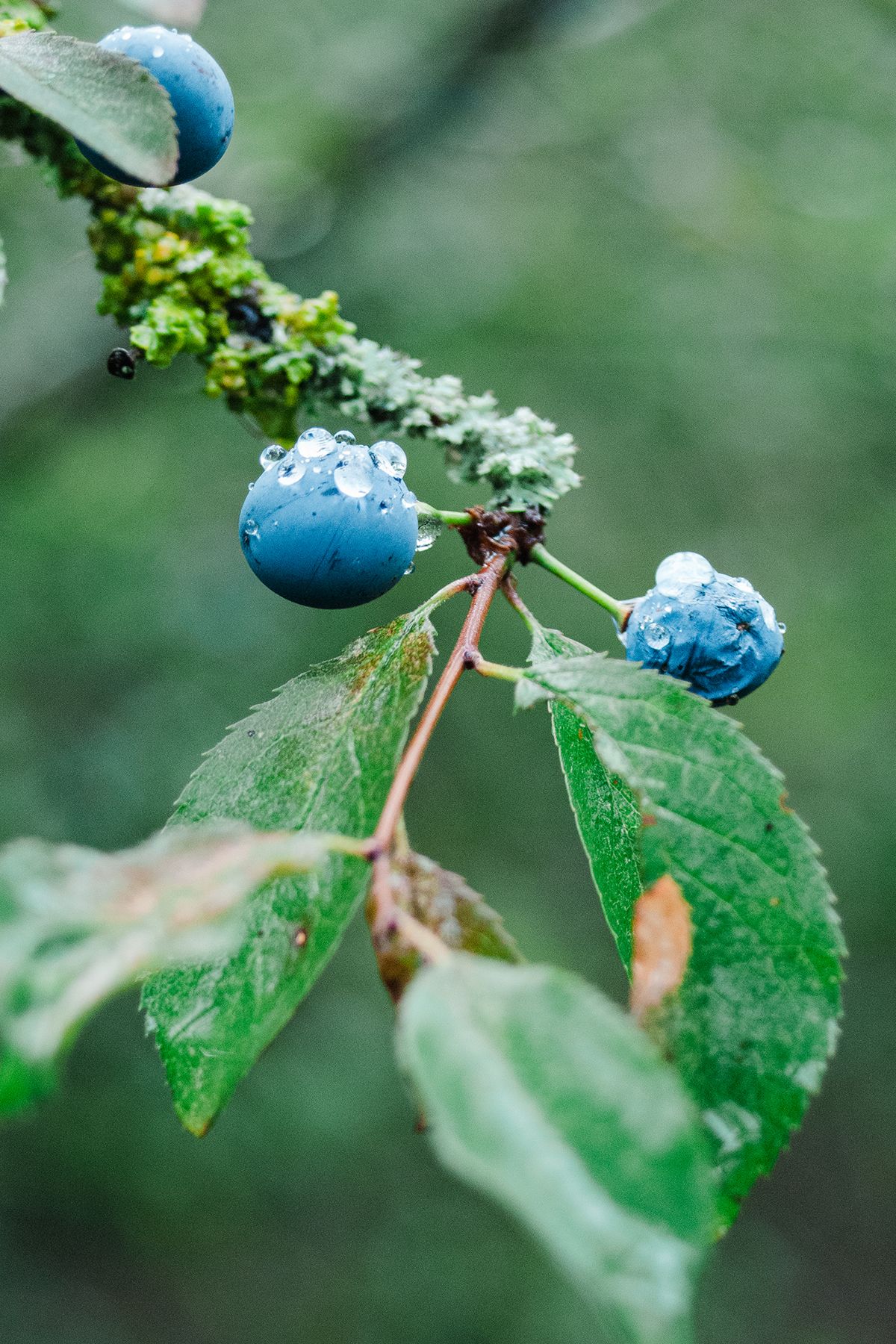
Opal and Diamond Encrusted Sloes
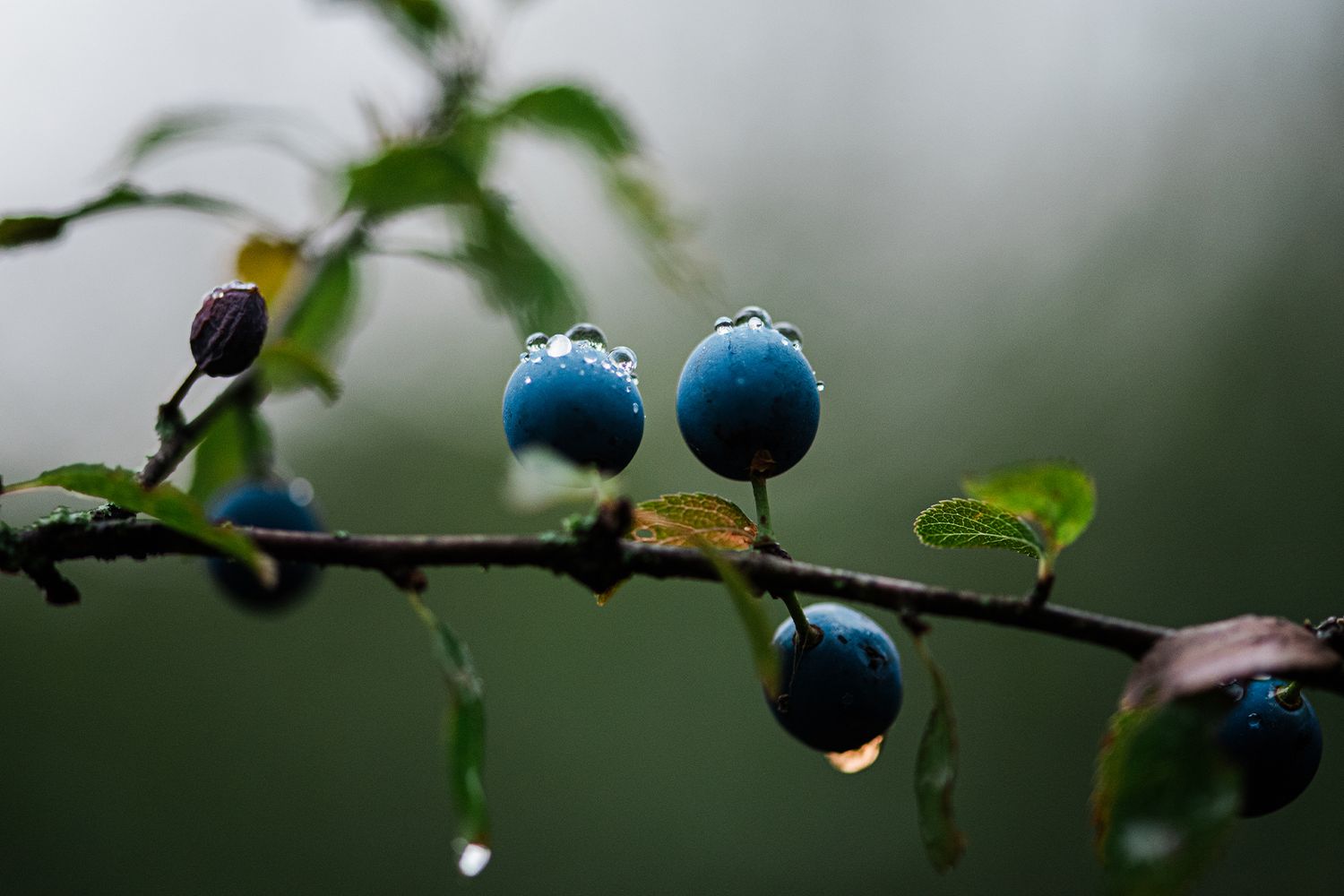
I’ve seen AI-generated images of jewel-encrusted berries, but this is the first time I’ve seen the real thing in nature.
After the rain, these sloes looked as though they had been covered in tiny opals and diamonds. Every berry caught the light, transformed simply by water.
I found them so beautiful I had to share them.
The beauty of nature leaves me in awe most days.
Tree Works in Frowning Sparrow Woods
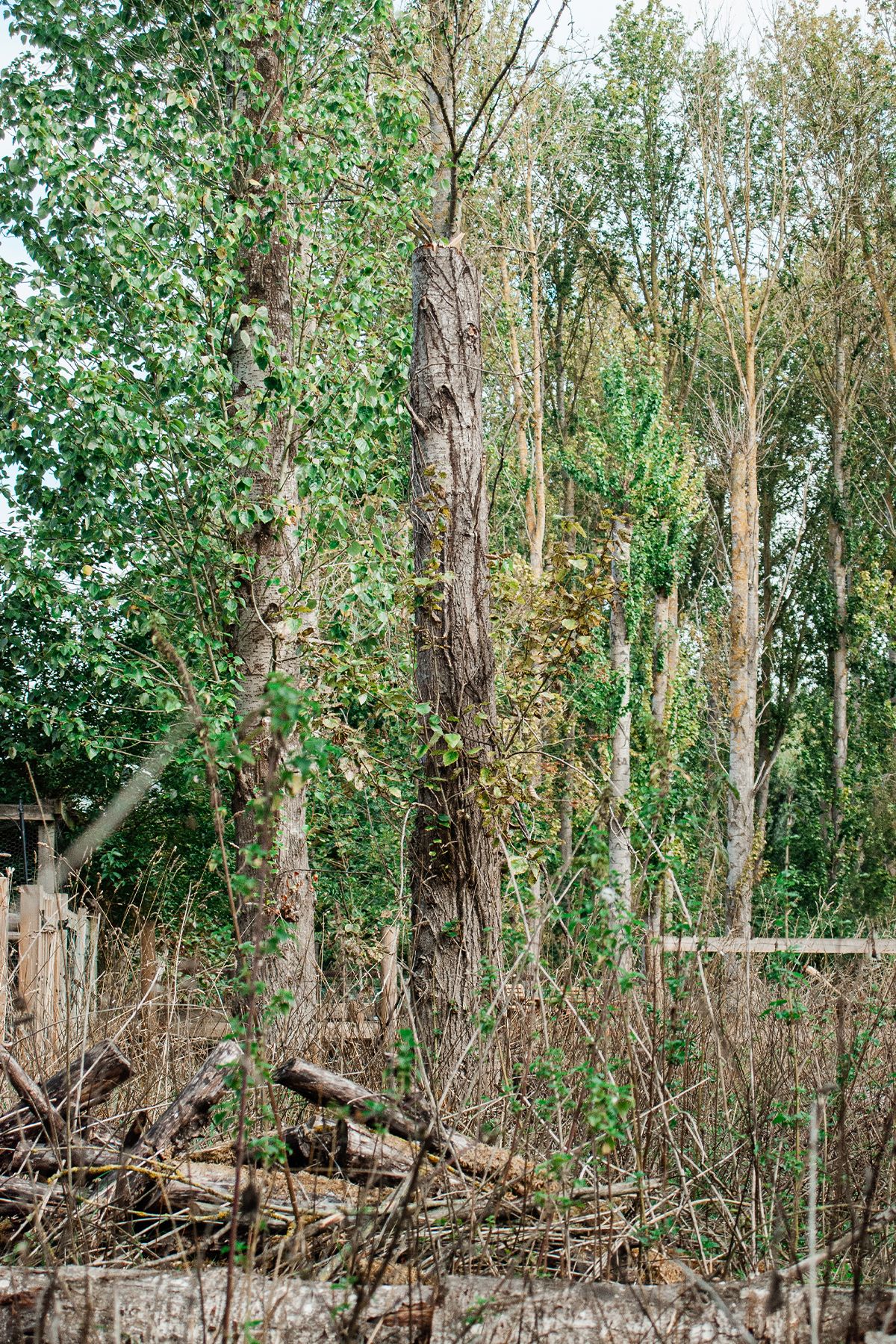
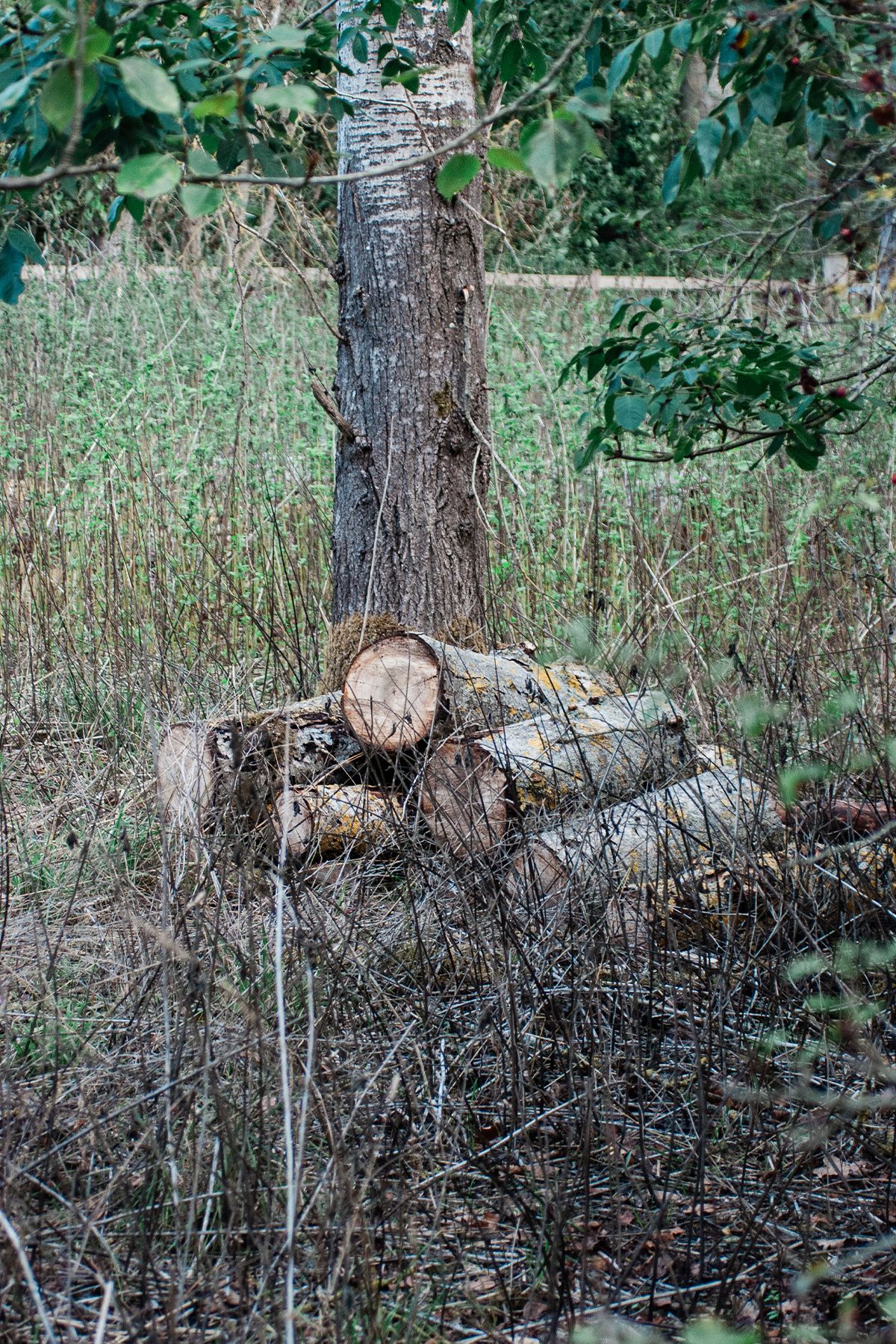
Last week, arborer Chris, owner of Busy Bees Trees and Gardens,, visited Frowning Sparrow Woods to fell the poplar snag close to the boundary fence, and log up the one that fell in the wind.
As I have many poplars which have fallen from the root, but only one that has snapped, it was decided to do a tall fell to mimic a natural snap. This encourages woodpeckers to drill holes which can then be used by other birds for nesting, or even by bats for roosting.
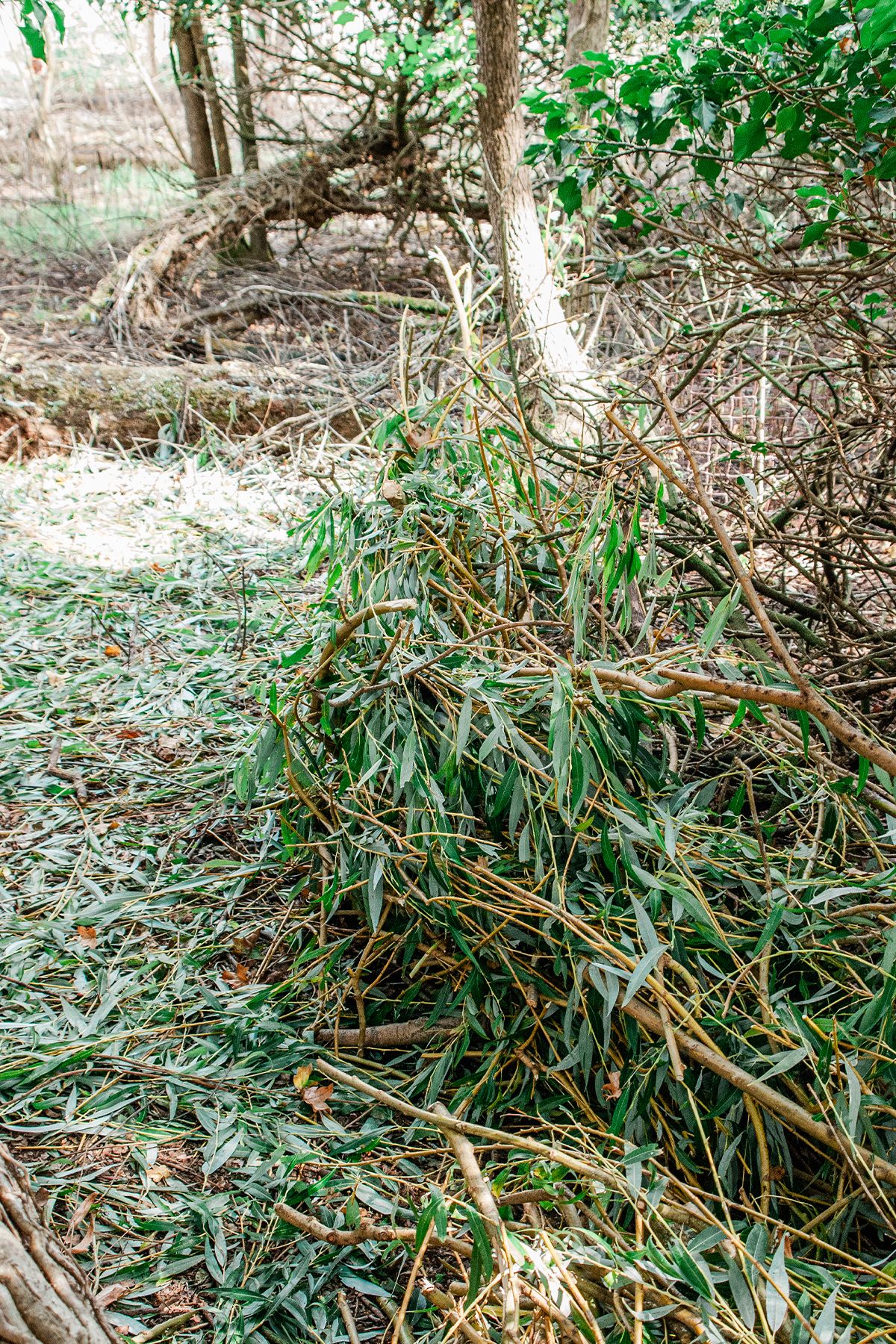
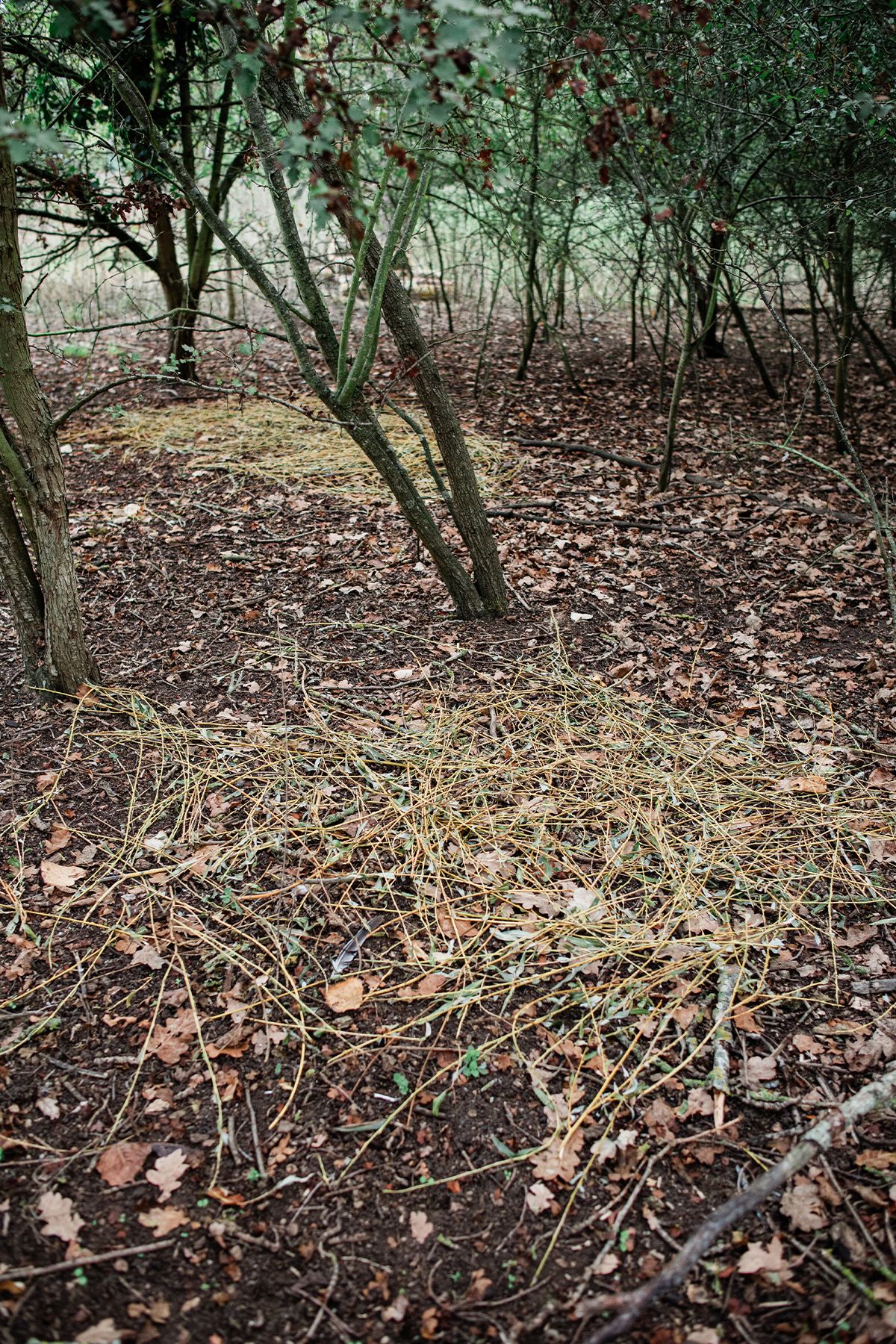
We also had some work done in the garden, mainly a major prune to a willow tree that had started to overshadow the garden. This created a lot of food for the deer, as well as plenty of material for a rough dead hedge to protect some of the ivy roots in one area. As you can see from the photo, the deer have really enjoyed foraging around the willow leaves, not much left at all!
I've also started to think about a dead hedge adjacent to the rough dead hedge, using some of the fallen branches and remaining willow to create a natural lead-in from the woodland towards what will eventually become the meadow. Adding a few trees there to replace the elms and creating a natural arch is also something I'd like to include eventually.
With so much deadwood, and more to come as many other poplars will eventually fall, I think introducing some dead hedges across Frowning Sparrow Woods is a sensible choice to increase biodiversity. And it won't stop there, I'll be on the hunt for interesting ideas on how to utilise this wood for nature, which I hope Chris can help with in the future.
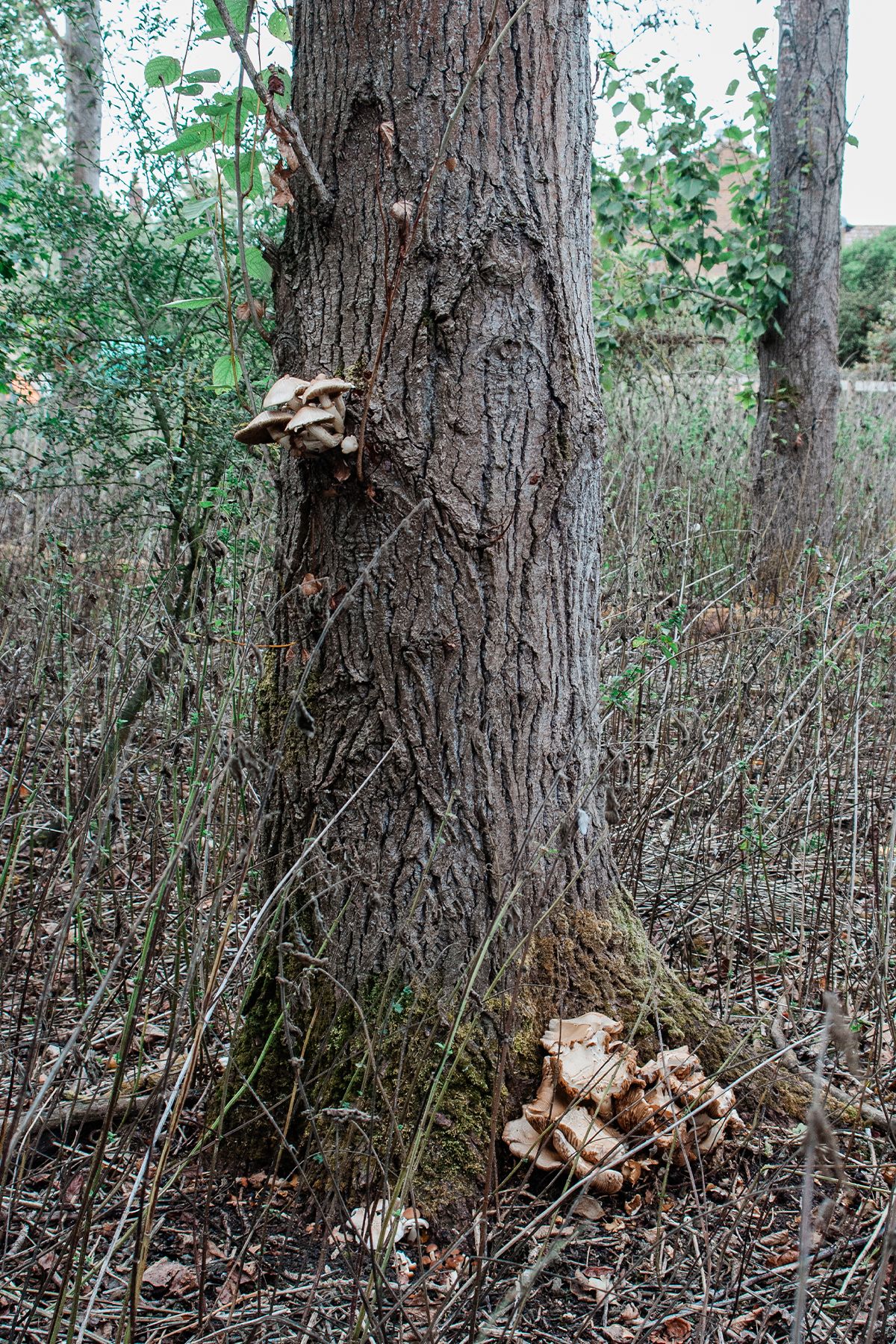
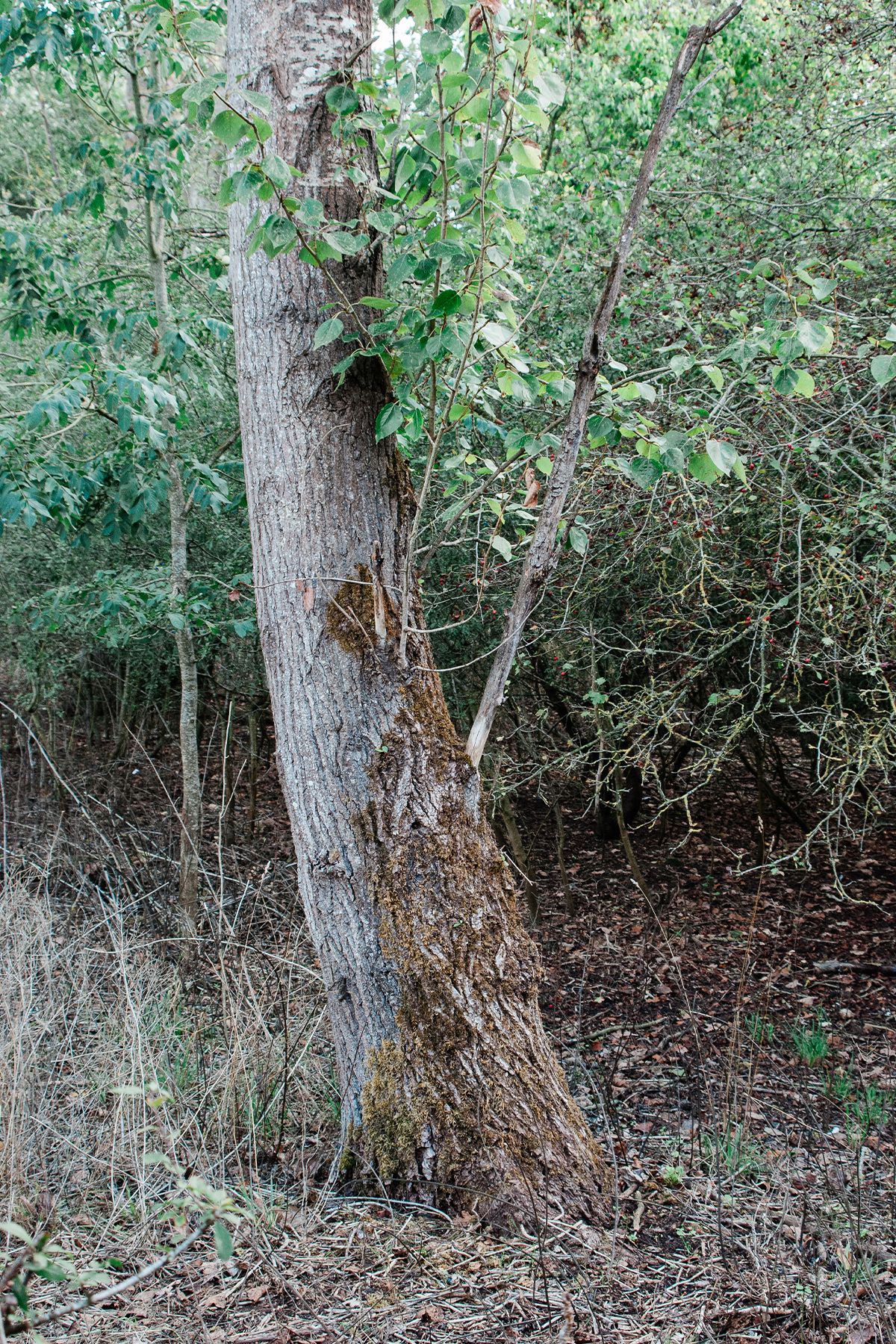
The poplars I'm keeping an eye on are ones that have quite a lot of moss at the base, and there is one in particular that has quite a lot starting to grow up one side of its trunk. This same tree has a gap in its base that I can put my fingers into, which I'm pretty sure means it's rotting inside. It's also lifting at the root slightly, indicating to me that it might fall from the root rather than snap. But that is just my own opinion, and we will have to wait and see what happens.
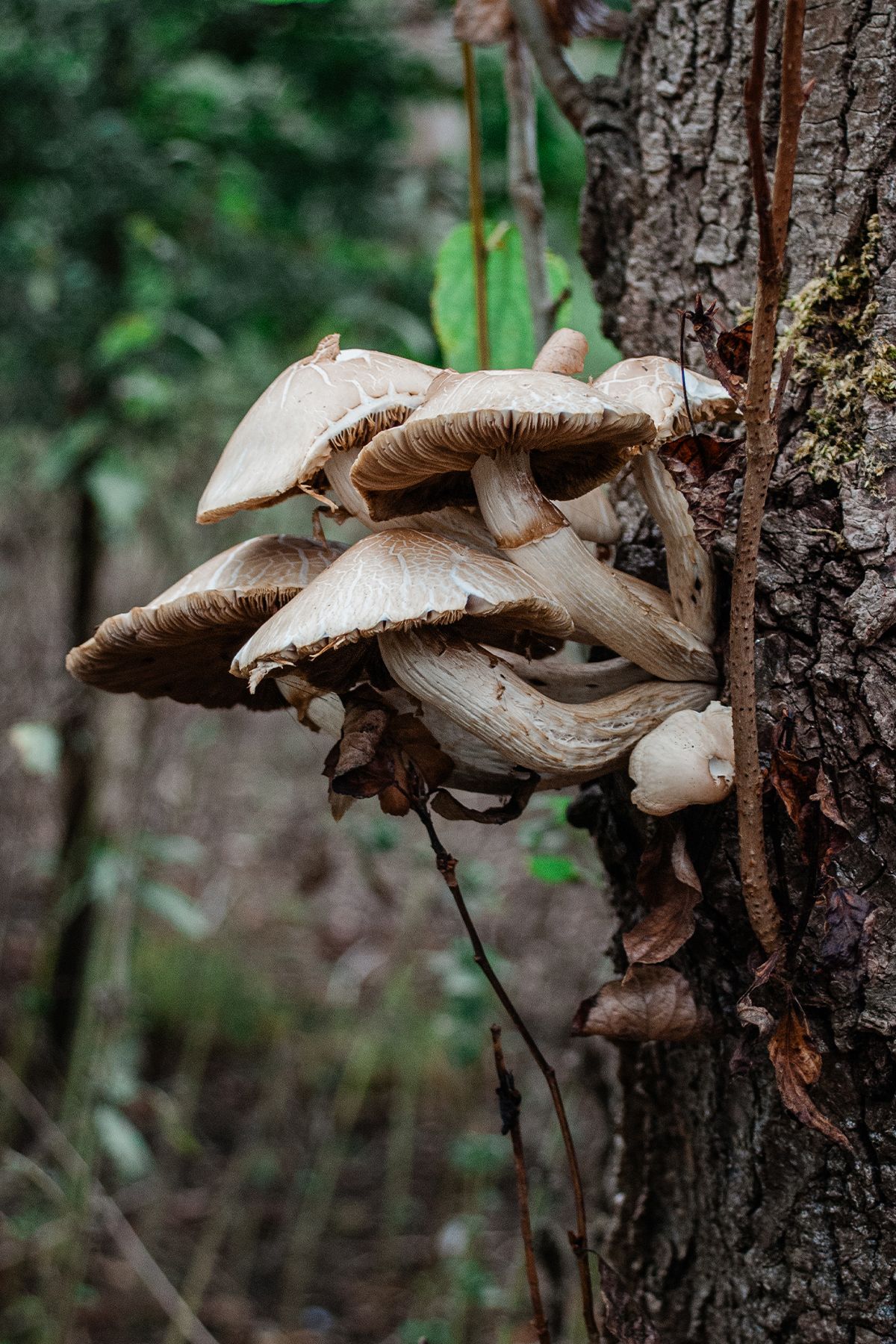
There are a few more on my radar that have Poplar Fieldcap mushrooms growing around their roots, with one having growth on the trunk. A very clear indication that they are rotting on the inside. One of these trees will certainly have to be a controlled fell next year due to being close to the boundary fence, but the others I might be able to leave to naturally decay in their own time and way.
Behind the Lens
Slow Shutter - Wild Land
If you like photography, don't forget to check back on the 8th of June, September, and December for my quarterly photo newsletter all about the gear I use.
Coming on 8th December ~ I am Nikon, even at my worst I am still the best.