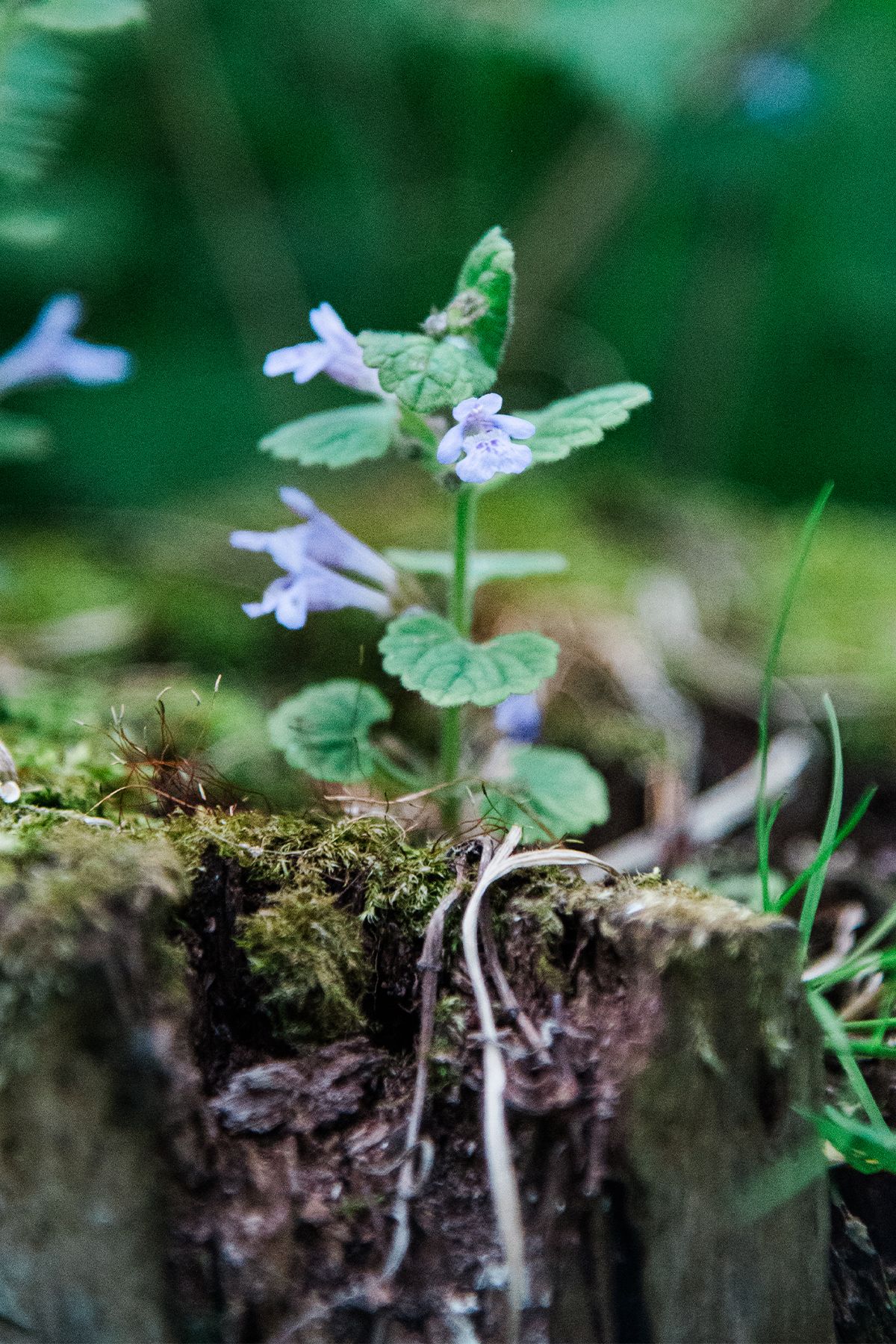
Mammals & Birds
During my walks at Frowning Sparrow Woods, I often come across moments that remind me nature is not just about growth, colour and new life. There is another side too, and one that is often hidden, avoided or misunderstood.
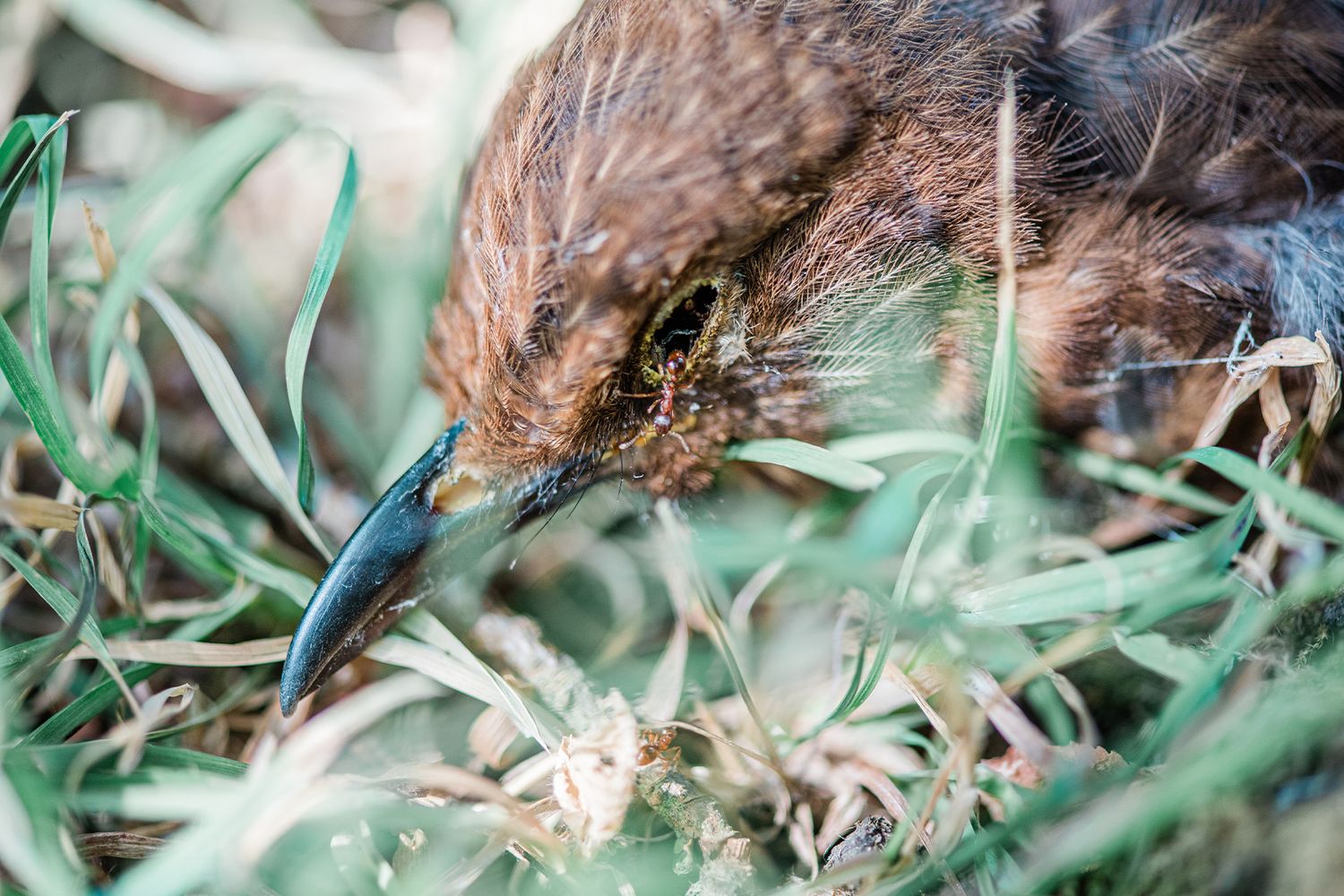
Recently, I found a dead blackbird lying between two trees. At first, I saw only a moment of sadness — a small life that had ended. But looking closer, I realised a different story was already beginning.
I noticed an ant exploring the hollow of its eye. It was unsettling to witness, but the ant was not destroying something beautiful; it was helping transform that life, allowing the beauty of the woodland to continue. Flies, beetles and other insects will follow, breaking down what remains, and their larvae will provide food for other creatures. Scavengers such as foxes and birds of prey that rely on carrion may also benefit from this, alongside many other organisms that depend on the natural cycle.
When we see wildlife lying still, our instinct is often to see only the loss. We see the end of a life that was once full of movement, sound and purpose.
But nature sees something different. Death is not the end of the story; it is a transition within the ecosystem. That life becomes part of another journey.
Every creature has a role, even after death. Yet death is something we often struggle to accept. Our compassion for wildlife is a beautiful thing, but nature has its own processes too. When a wild animal dies naturally, it becomes part of the food web — providing life for insects, scavengers and many other species. When we clear away dead animals or tidy away anything that looks unpleasant, we may unintentionally remove a source of life for others. Sometimes, by trying to protect one creature, we can interrupt the natural pathways that support many more.
Nature is full of endings, but in the natural world an ending is rarely the end.
Plants
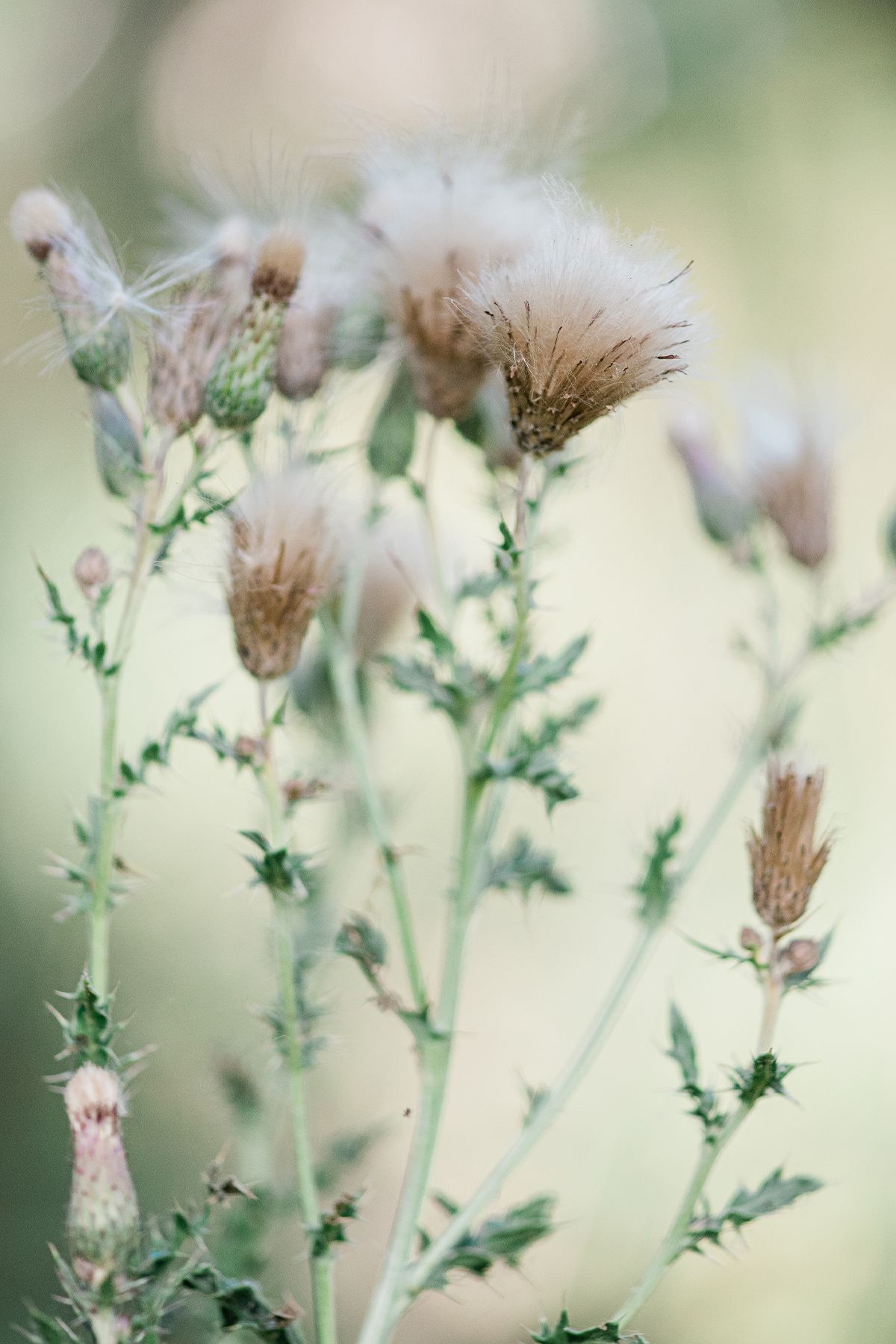
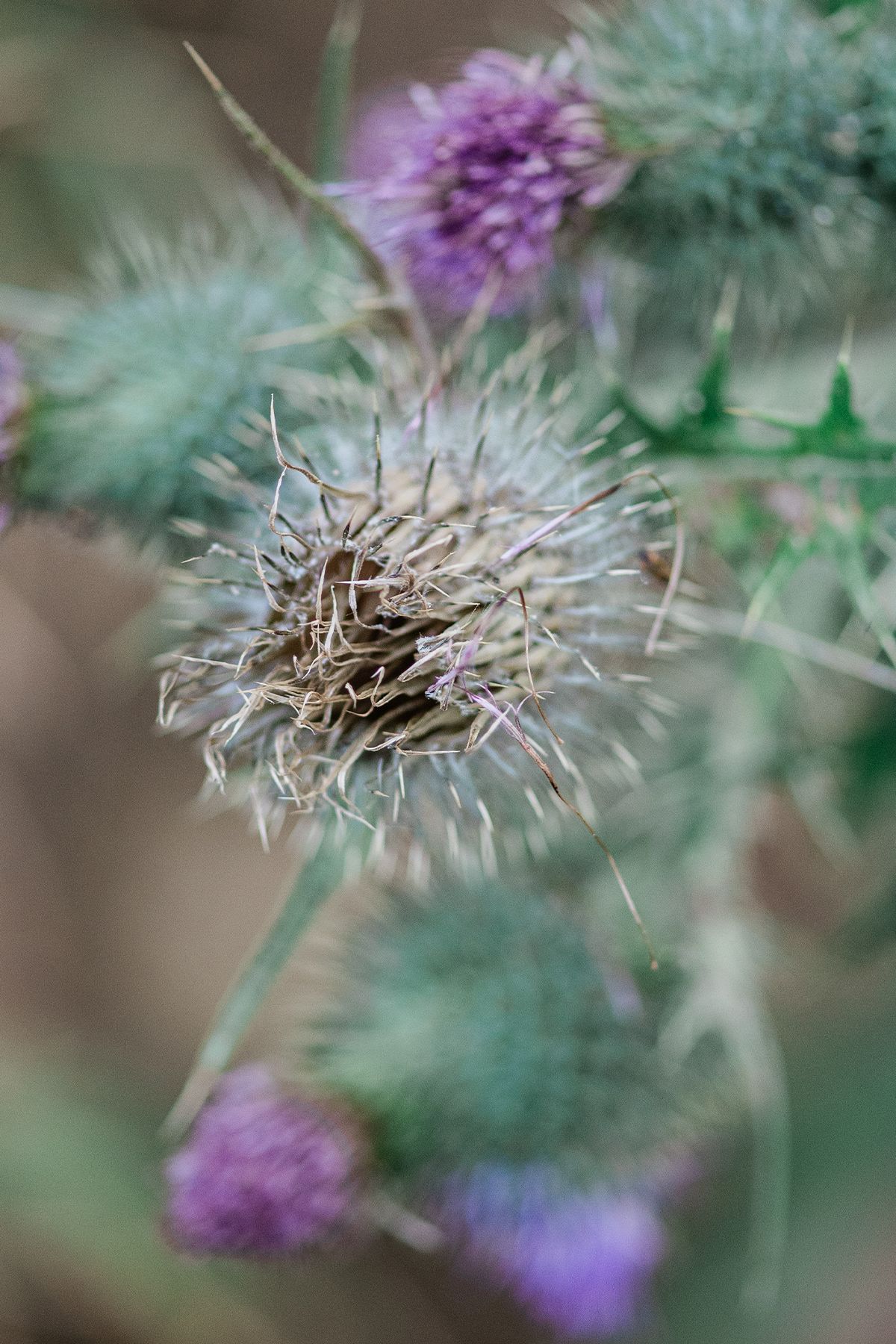
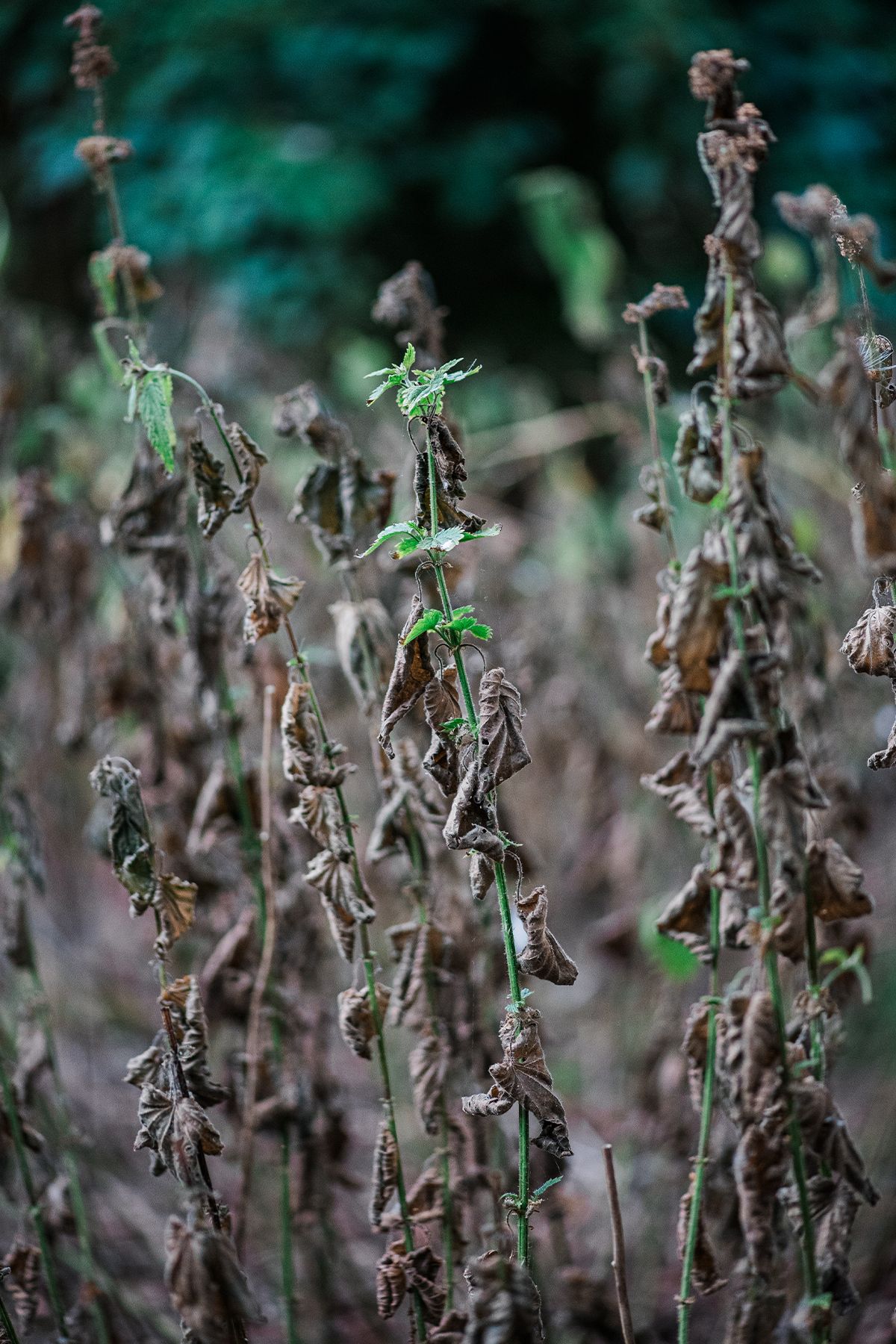
We often remove plants once they no longer serve a visual purpose. Once flowers fade, stems turn brown and leaves begin to fall, they can appear as though they have finished their role.
But their story does not end there. These fading plants are still providing food, shelter and nutrients. Seed heads offer nourishment for birds, old stems provide places for insects to shelter, and somewhere amongst the fading stems there may even be a hidden chrysalis waiting for spring. Fallen leaves and decaying plant material continue to feed the hidden world beneath the soil.
What we see as untidy is often nature continuing its work. So this season, I challenge you to leave a little wildness behind. Before reaching for the shears, take a moment to look closer. The faded stems, fallen leaves and untidy corners are doing so much more than you think.
Fallen Trees
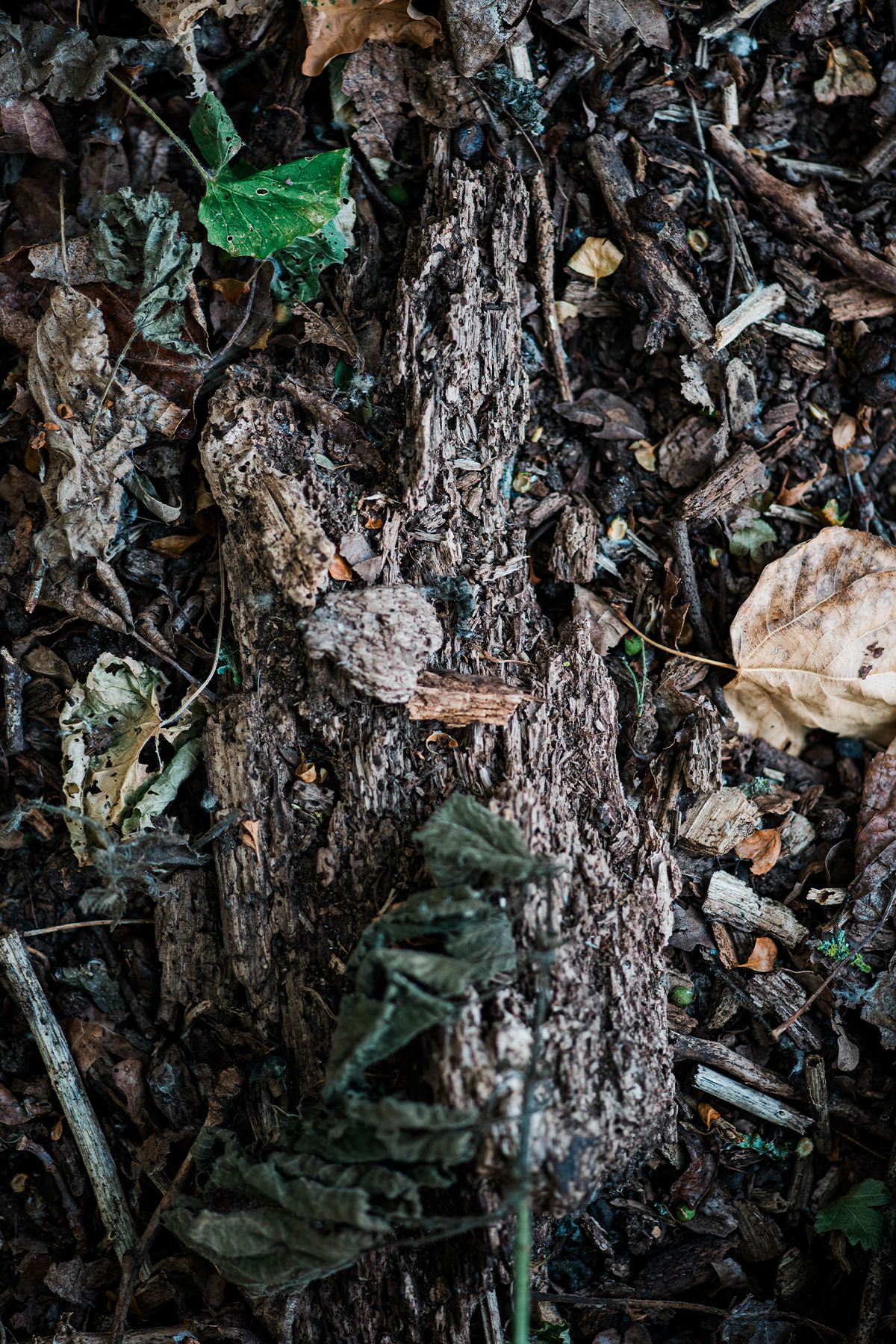
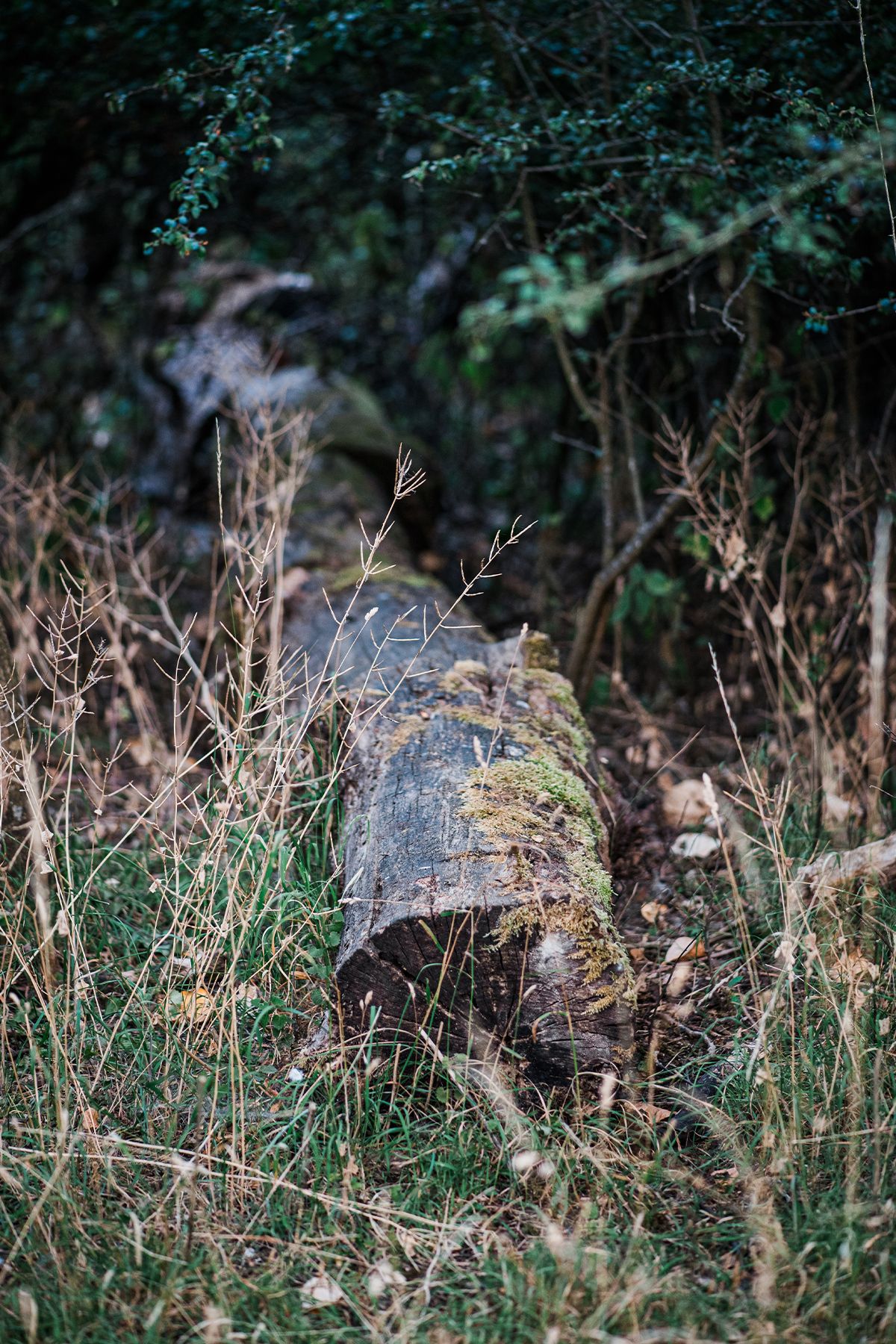
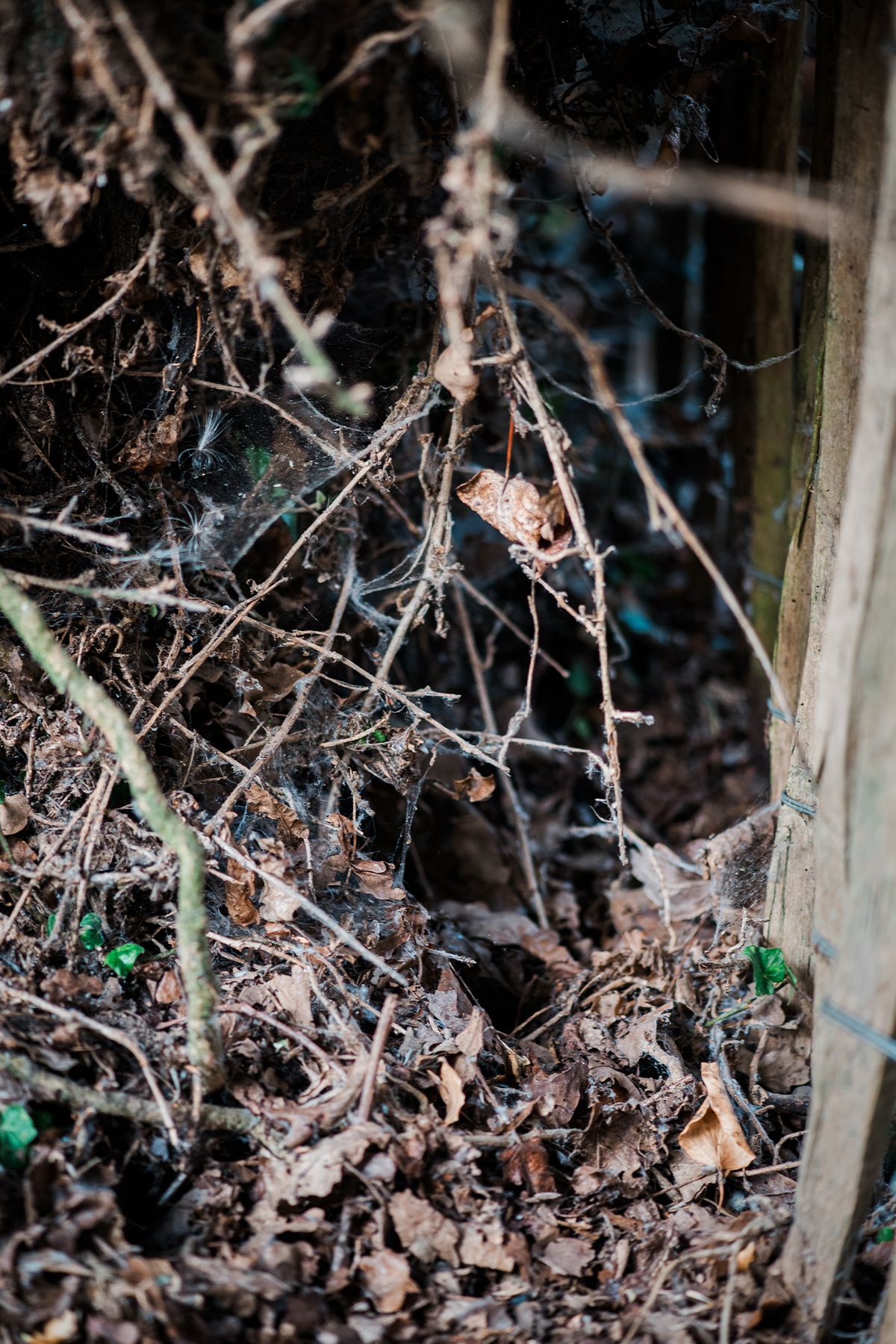
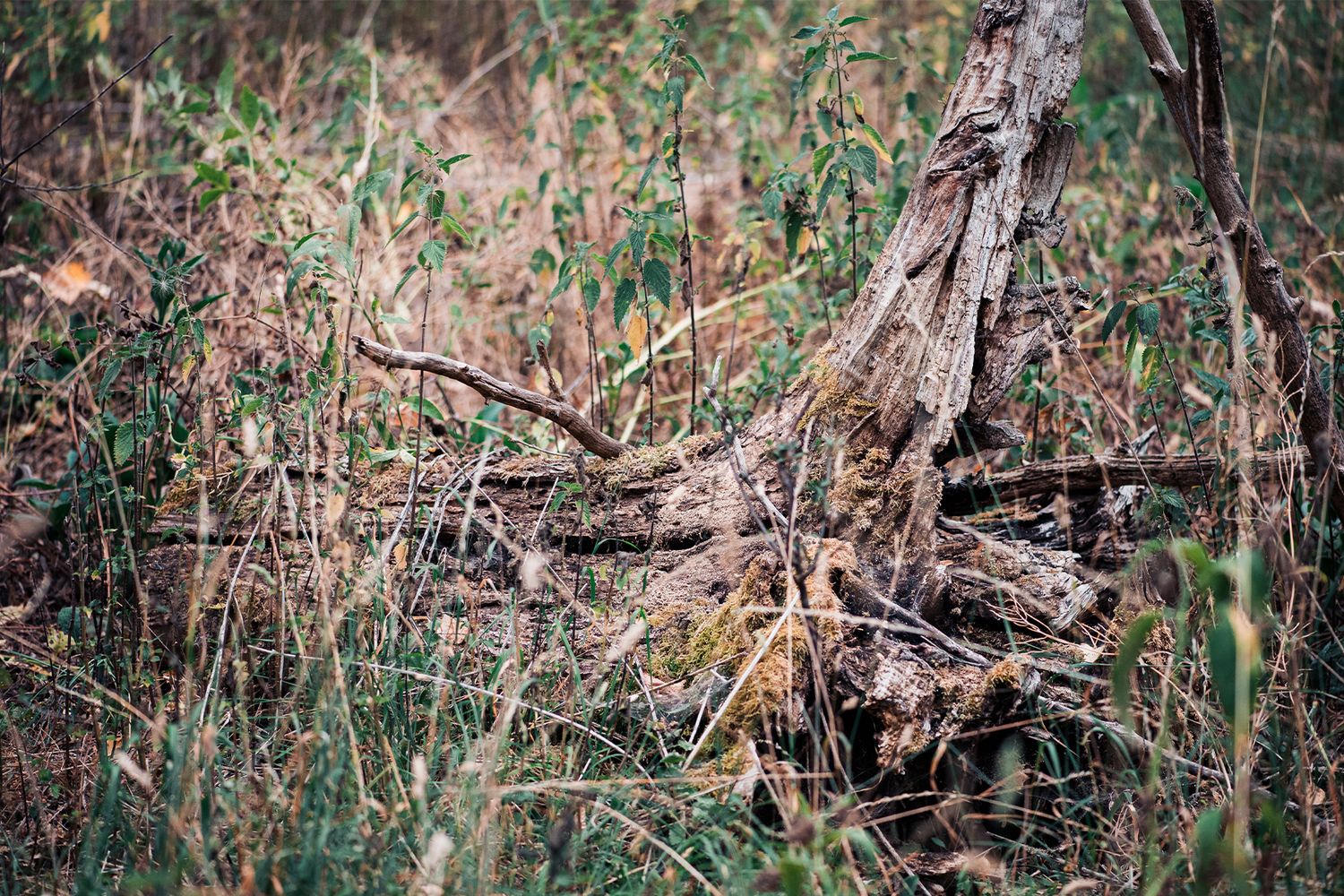
In a recent Field Note, I talked about the standing dead wood at Frowning Sparrow Woods and the incredible habitats these trees continue to provide. But the story does not end when a tree falls. Whether brought down by a storm, age, disease or natural change, a fallen tree starts a new chapter, becoming part of the woodland floor and supporting many different forms of life.
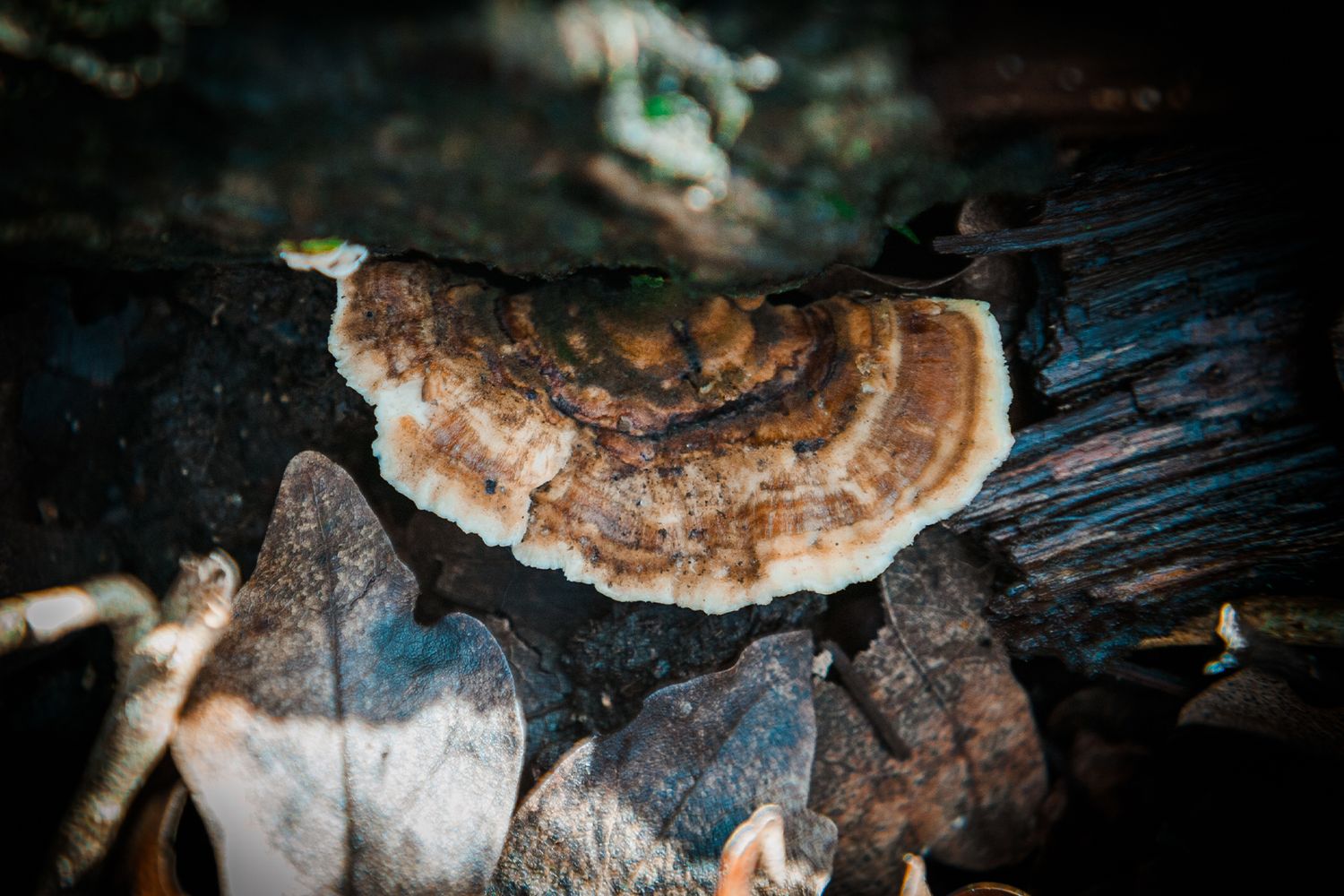
The trunk, branches and exposed roots provide shelter, moisture and food for countless organisms. Fungi begin the slow process of breaking down the wood, while beetles, larvae and other invertebrates make use of the changing structure. Around the root plates of some of the older fallen trees, I have discovered small rodent holes disappearing beneath the tangled roots. These sheltered spaces offer protection from predators and the weather, creating yet another habitat within the woodland. Once abandoned, these rodent nests may even become homes for queen bumblebees emerging in spring.
Even the smallest pieces of fallen wood have a role. Branches and twigs scattered across the woodland floor are not waste; they are slowly becoming part of the soil itself. As they decay, they feed fungi, microbes and countless tiny organisms, helping create the rich layer of organic matter that supports future growth.
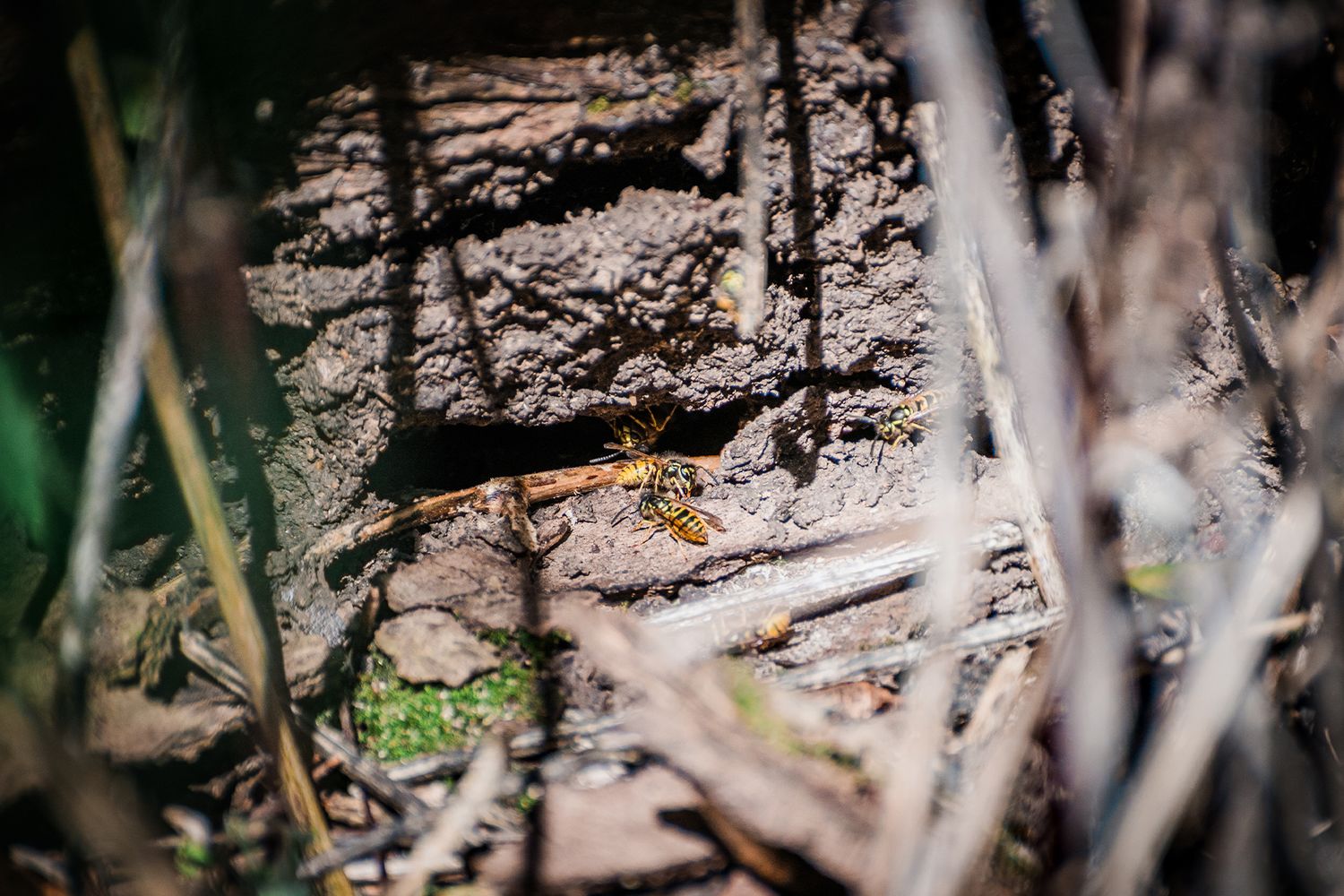
Over time, fallen wood becomes part of the woodland itself. Mosses begin to cover the surface, fungi spread through the decaying fibres, and plants begin to grow within the softened wood and the organic matter that gathers around it. I have also watched wasps and hornets harvesting the softer wood, carrying away tiny pieces of pulp to build their nests.
What may look like a fallen and forgotten tree is actually supporting new life.
Behind the Lens
Slow Shutter - Wild Land
If you like photography, don't forget to check back on the 8th of June, September, and December for my quarterly photo newsletter all about the gear I use.
Coming on 8th September ~ The Nikkor-C 500mm f/8 Reflex Lens.