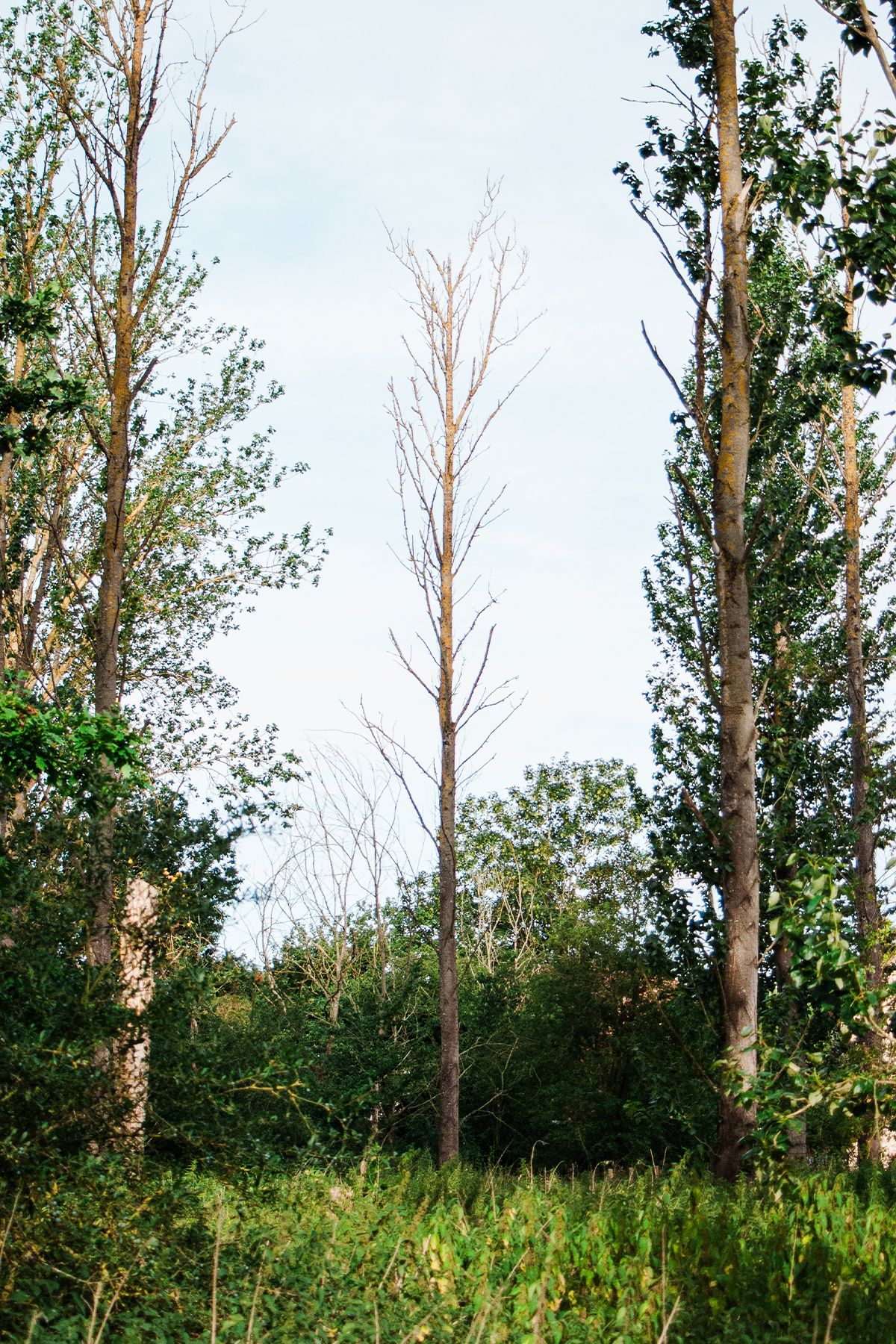
The Snags, Dead Trees, Are Just Getting Started
One of the most exciting things happening at Frowning Sparrow Woods isn't something growing—it's something dying.
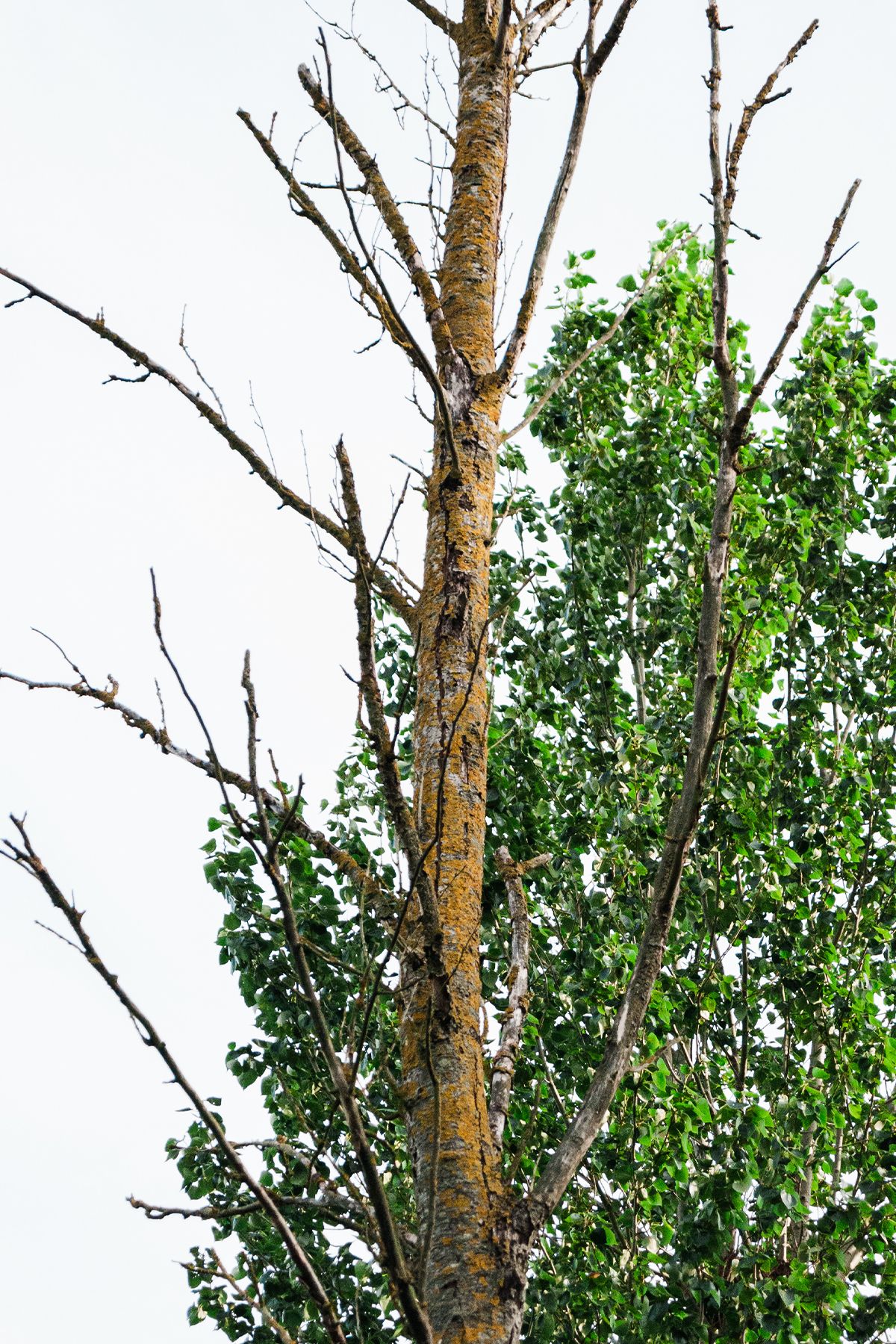
The old hybrid black poplars are beginning to reach the end of their lives. As they die, they become what ecologists call snags: standing dead trees that provide homes for an extraordinary range of wildlife.
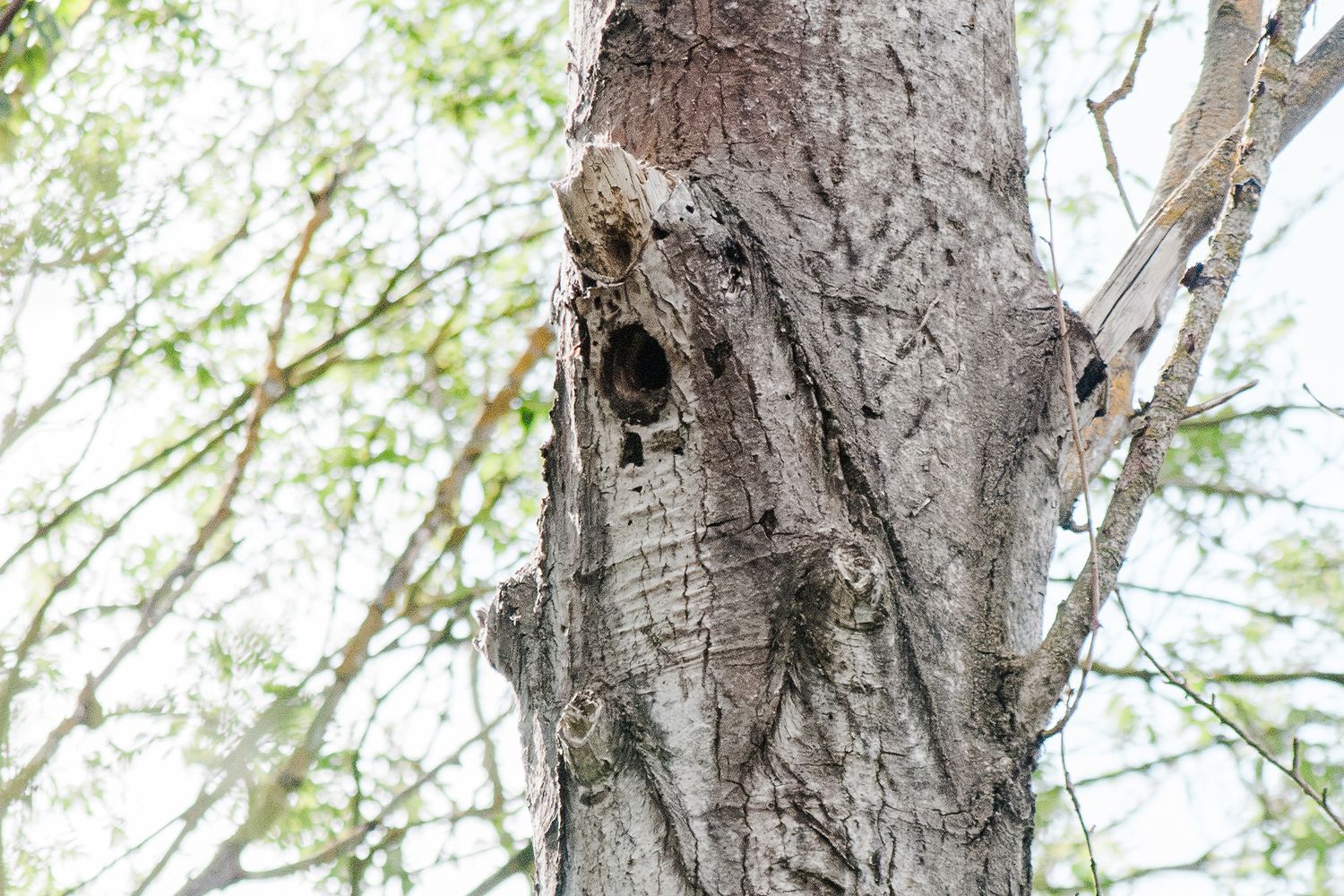
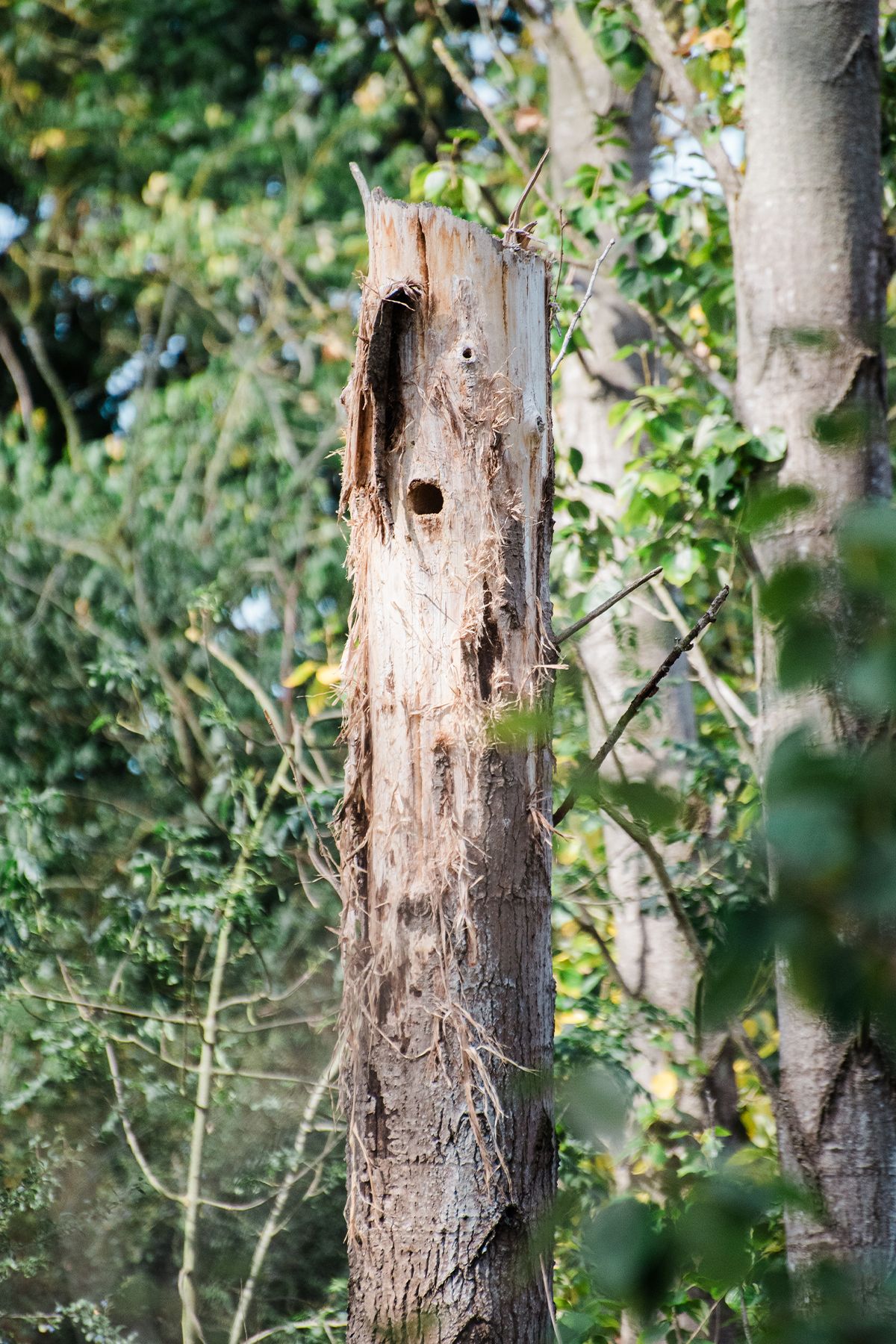
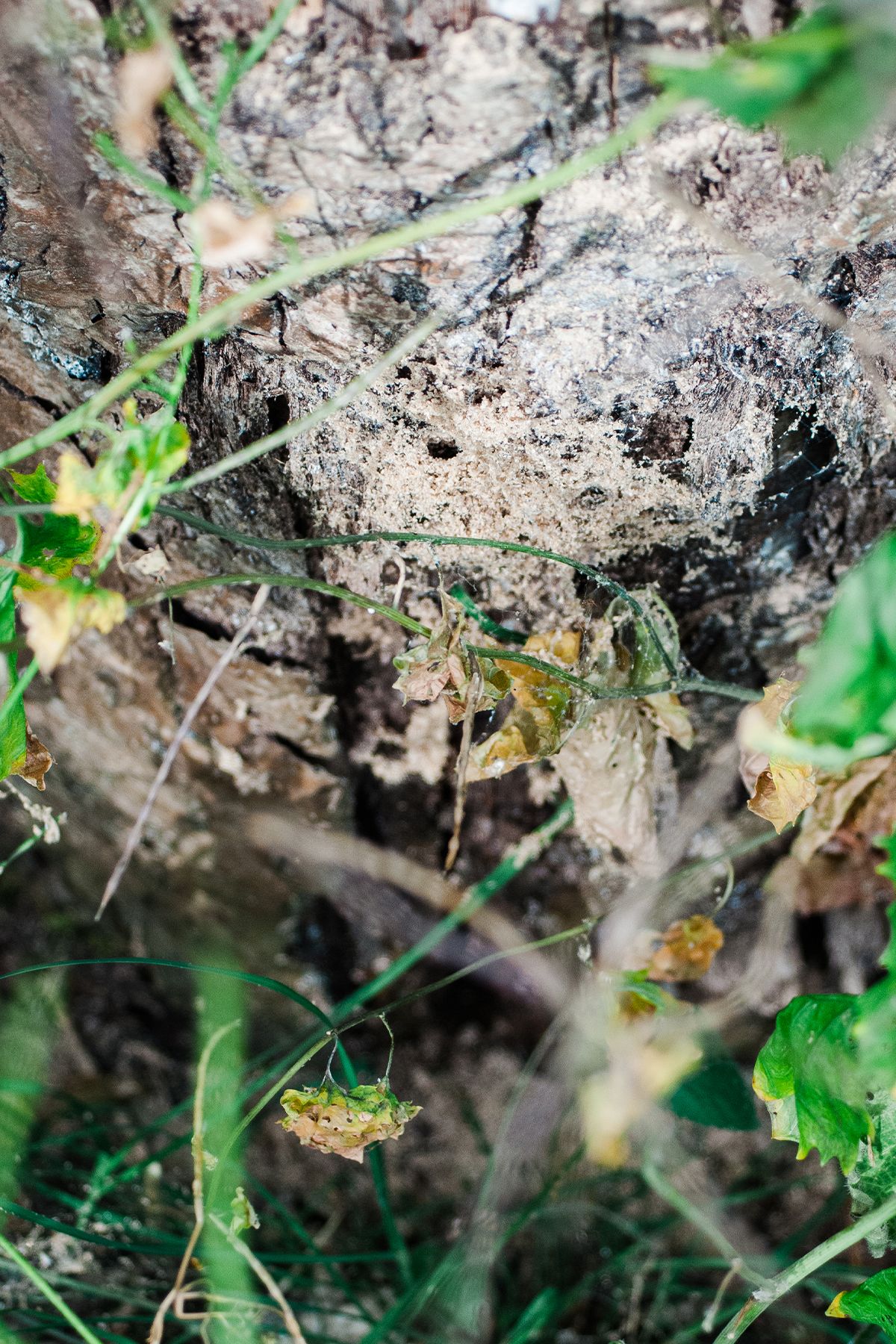
Because poplar is a soft wood, natural cavities form surprisingly quickly. I've already watched woodpeckers beginning to excavate holes, the first step in creating future nesting sites for birds, bats and countless insects.
Where it's safe to do so, I'll be leaving these trees standing. They may look lifeless, but they're only just beginning their next chapter.
Letting the Seeds Fly
When I first acquired Frowning Sparrow Woods, the meadow areas were relatively quiet. Only a few hardy plants had established themselves: stinging nettles, garlic mustard, red dead-nettle and a handful of Russian comfrey.
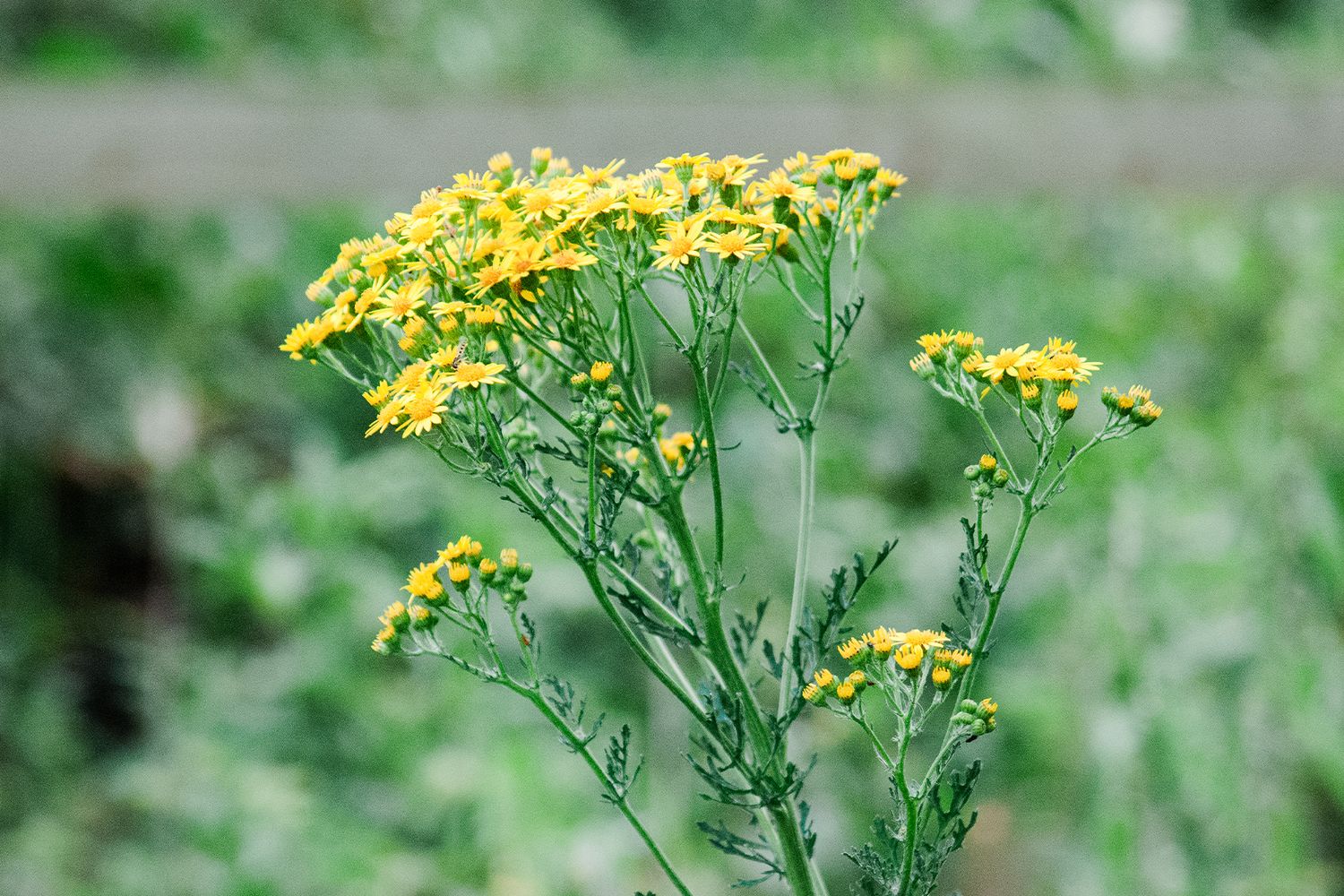
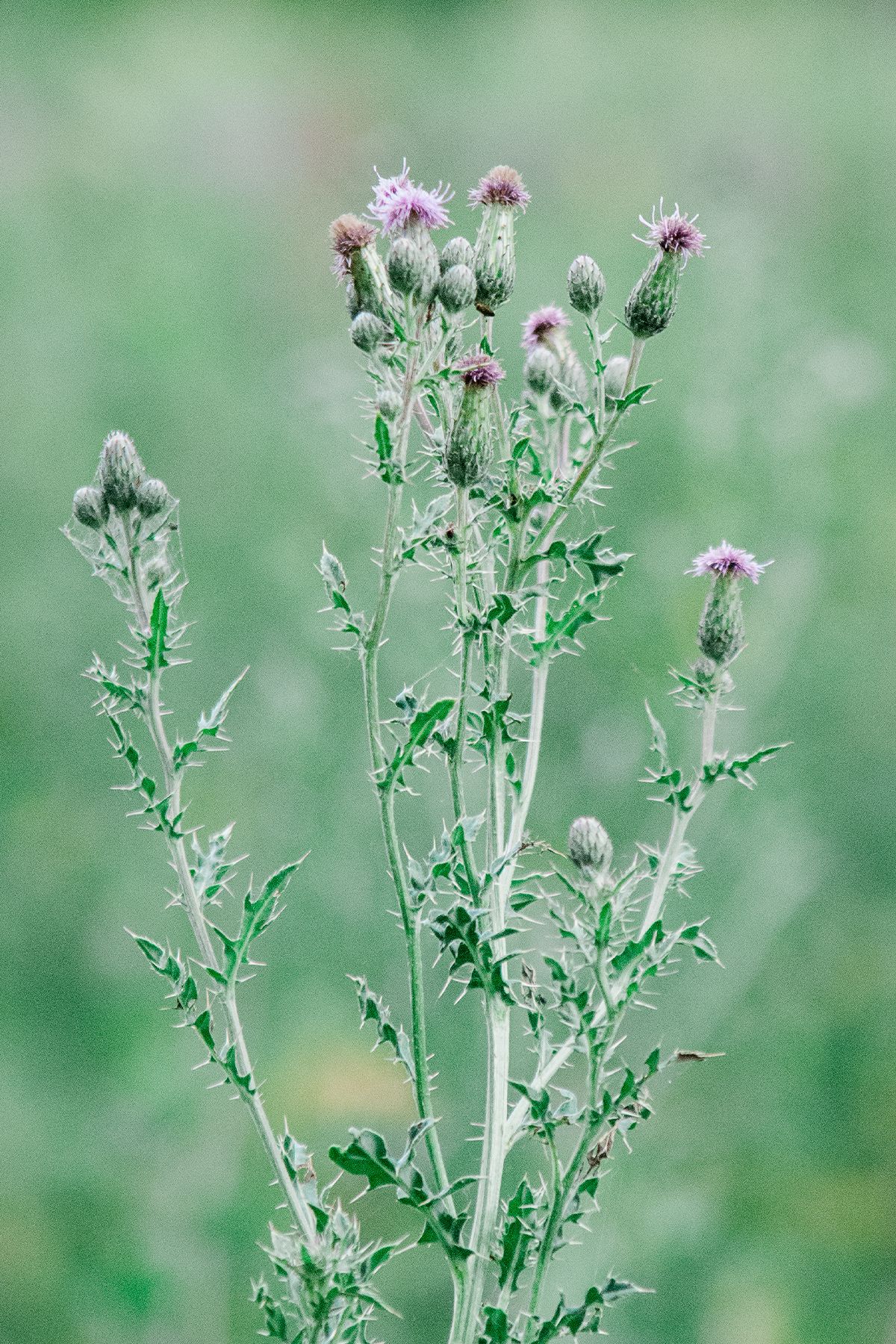
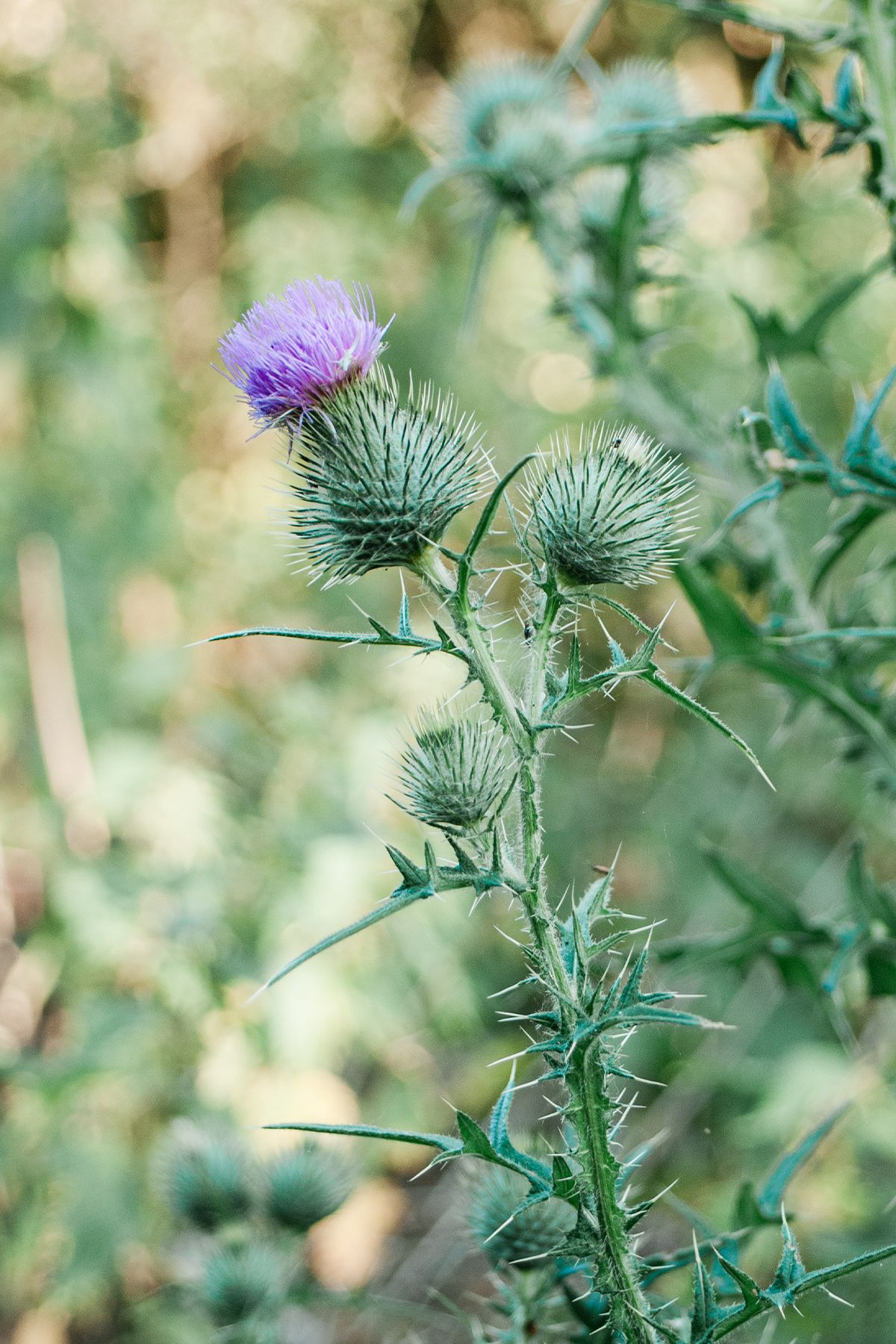
Two years on, these open spaces are beginning to change. Creeping thistles have arrived and multiplied, ragwort has appeared, a large-headed spear thistle has moved in, and those original Russian comfrey plants have exploded into a wonderful spring nectar source for bumblebees.
Many of these species are often dismissed as weeds, but this simple word has shaped the way we see so many of our native wildflowers. They are often overlooked in favour of the showier cultivated plants found in garden centres, yet these quieter species are the ones that have evolved alongside our native wildlife, providing food, shelter and places to complete their life cycles. These are not unwanted plants. They are part of the natural process of an ecosystem finding its own balance, supporting the many insects, birds and other wildlife that depend on them.
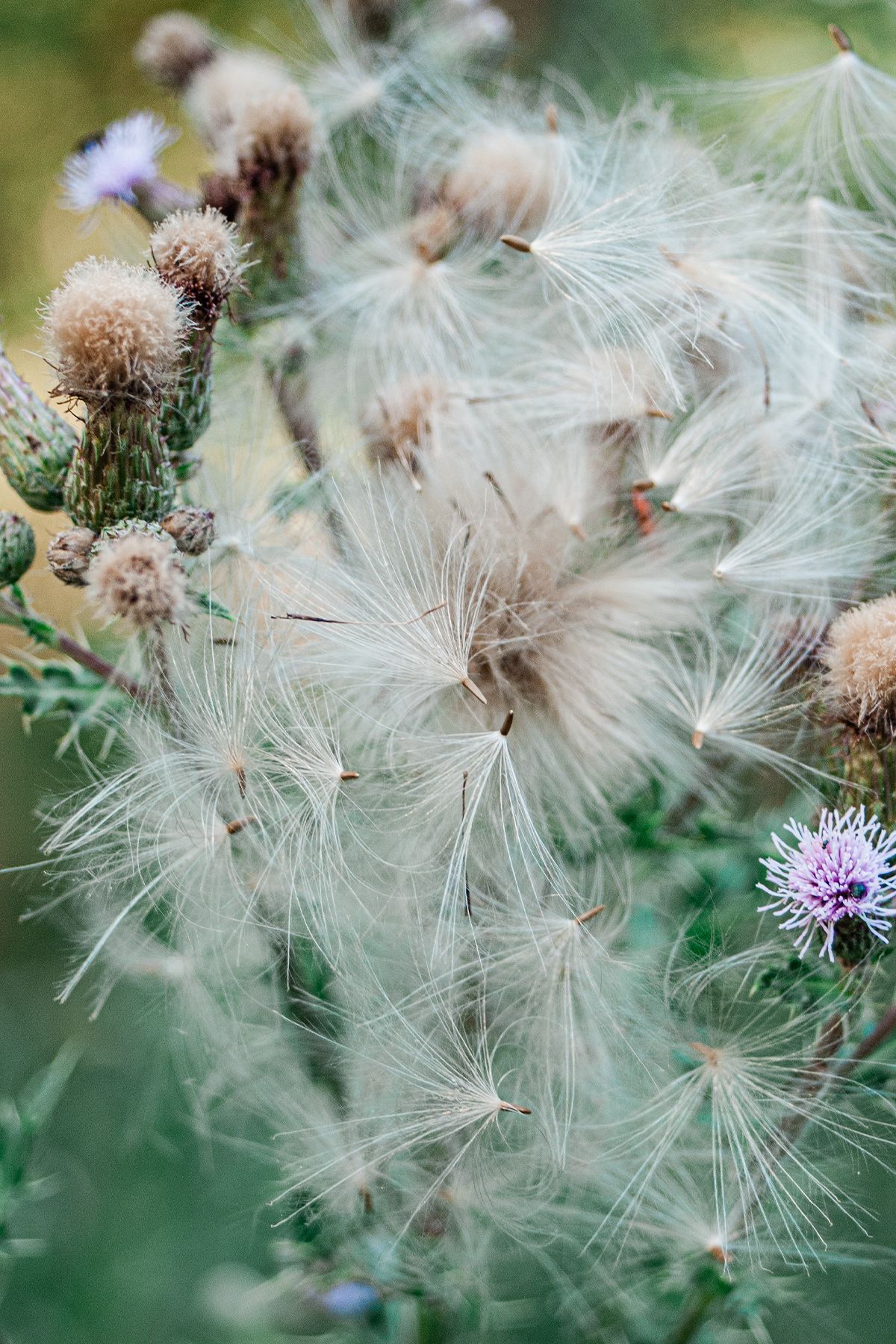
As butterflies begin to establish themselves in the developing grass meadows, these flowers will provide an important source of nectar for the adults. I’m looking forward to watching them flower, set seed, and allow their seeds to travel on the wind, gradually spreading through the woodland.
More Butterflies Over the Meadow
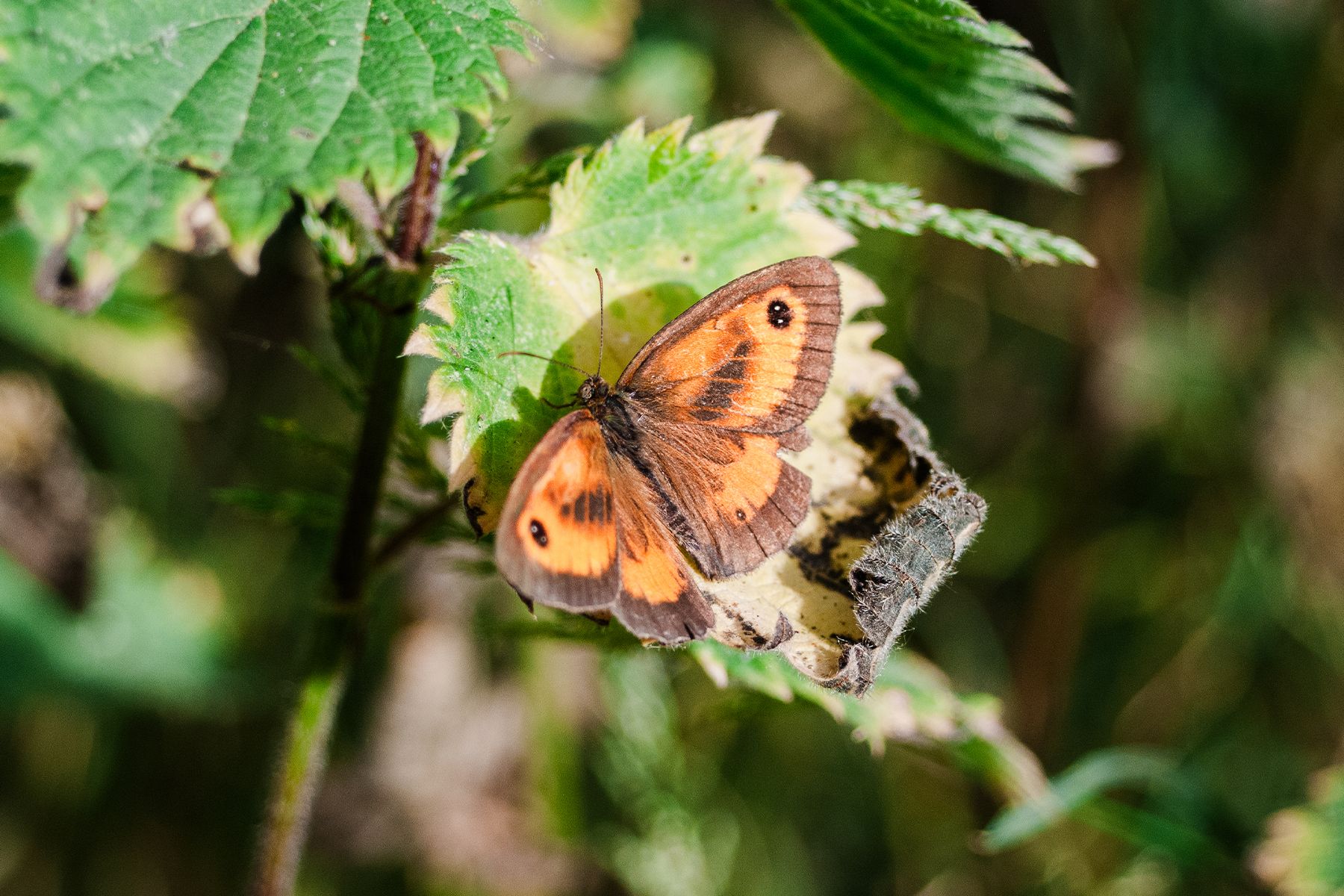
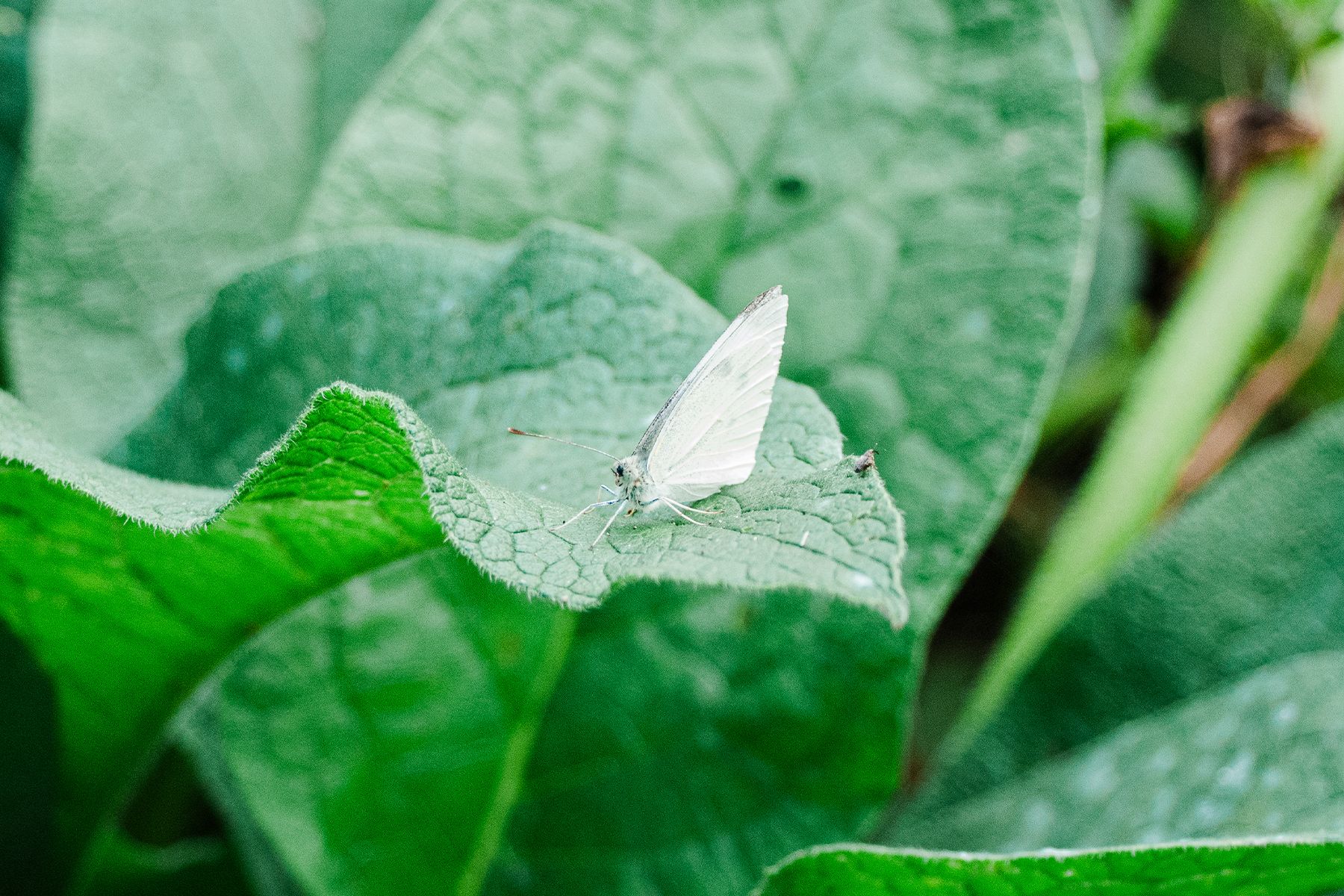
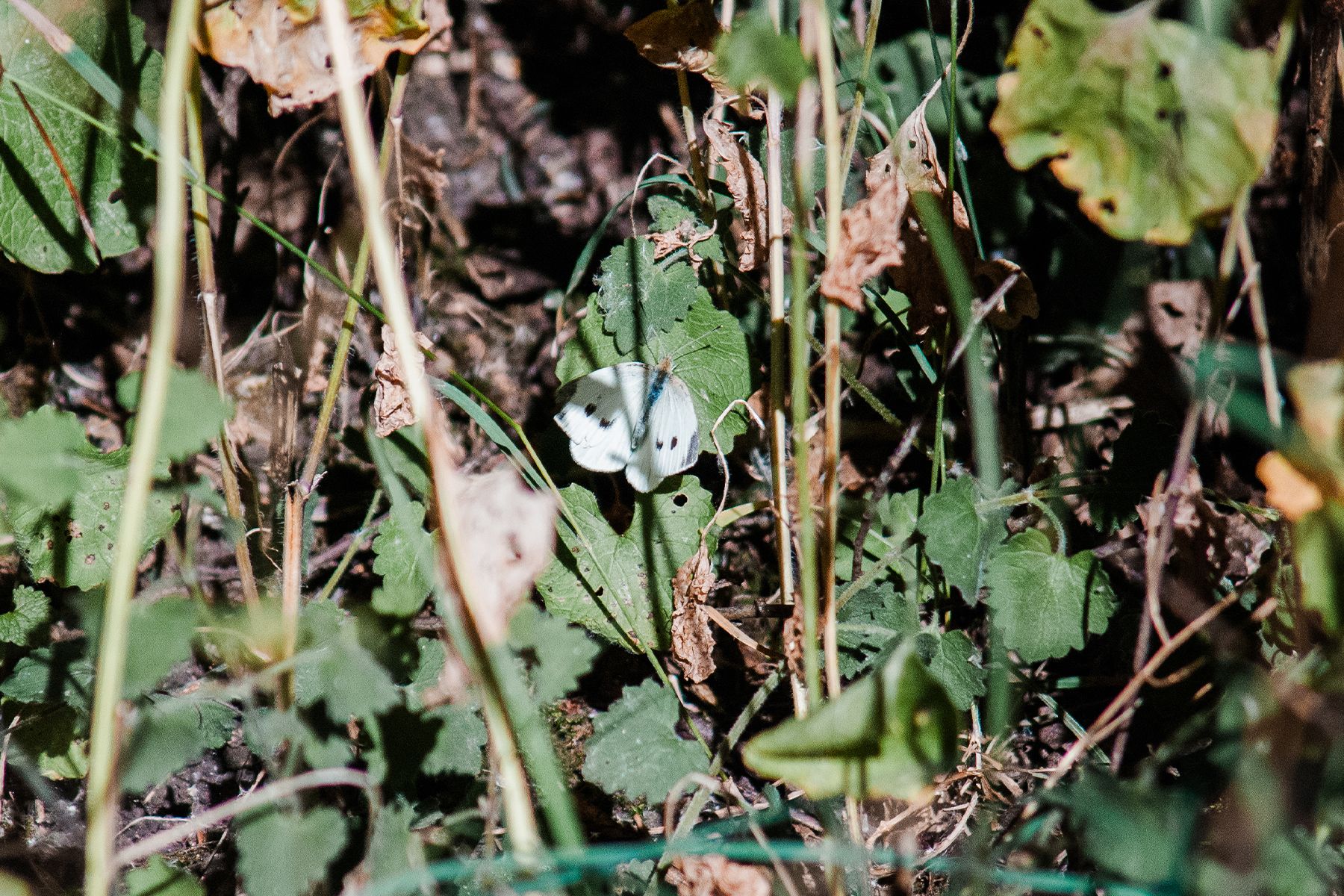
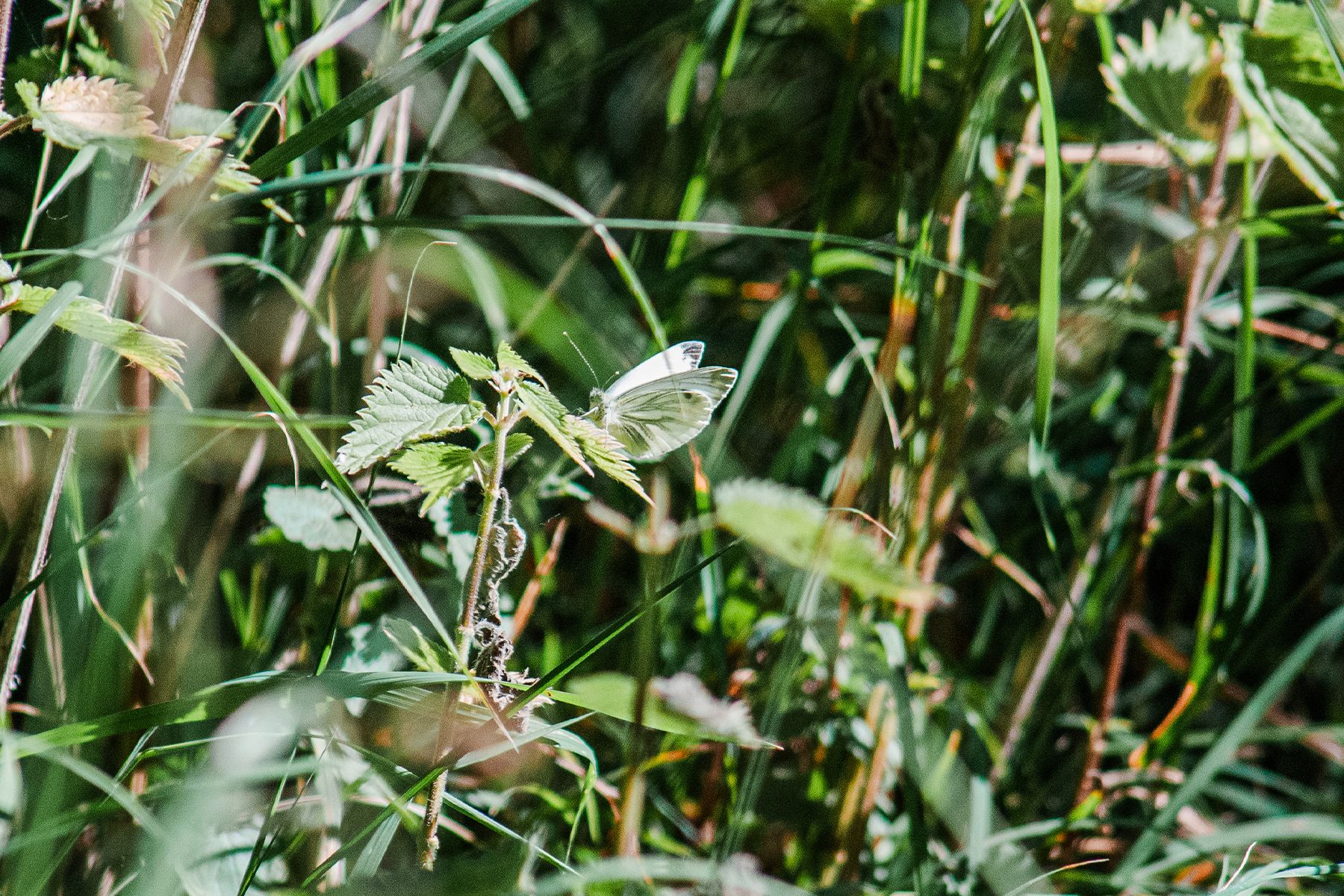
Following on from my last Field Note about the uncut grasses, I’ve been delighted to see even more butterfly species appearing across Frowning Sparrow Woods this year.
Alongside the Ringlets and Large Skippers already enjoying the longer grasses, in the last two weeks I’ve also spotted Gatekeepers, Green-veined Whites, Large Whites and Small Whites.
It has been wonderful to watch the meadow areas slowly become more alive. The grasses provide important places for some butterfly caterpillars, while the flowering plants that are beginning to appear, such as ragwort and thistles, are adding much-needed nectar sources for the adults.
Each year brings a few more surprises, and I’m excited to see what arrives next as these spaces continue to change naturally.
Behind the Lens
Slow Shutter - Wild Land
If you like photography, don't forget to check back on the 8th of March, June, September, and December for my quarterly photo newsletter all about the gear I use.
Coming on 8th September ~ The Nikkor-C 500mm f/8 Reflex Lens.