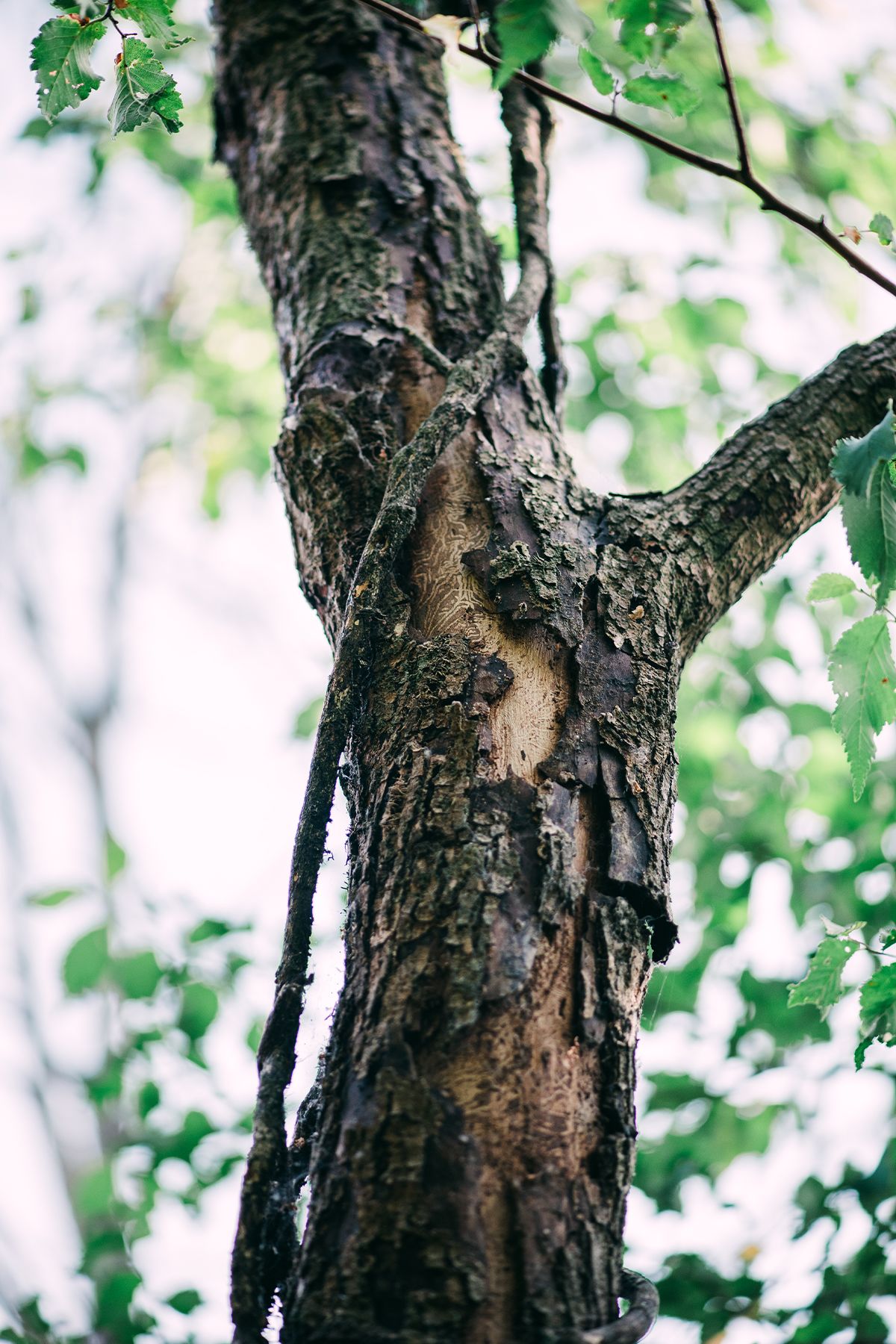
The Elm Trees Are Dying
The Elms
When I first moved here six years ago, I noticed that one or two trees had died. At the time, they were simply dead trees in the landscape — something I noticed, but didn't think too much about.
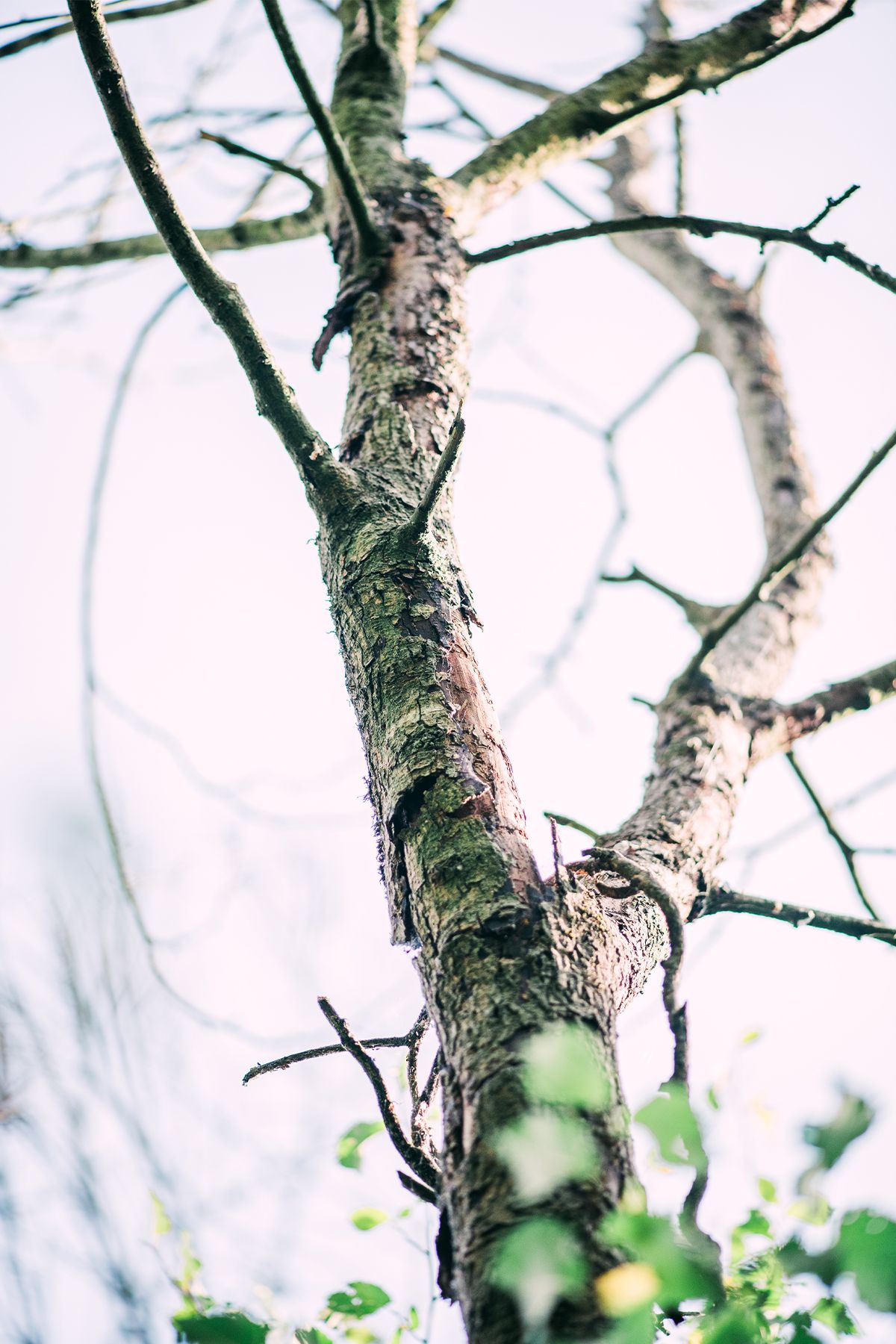
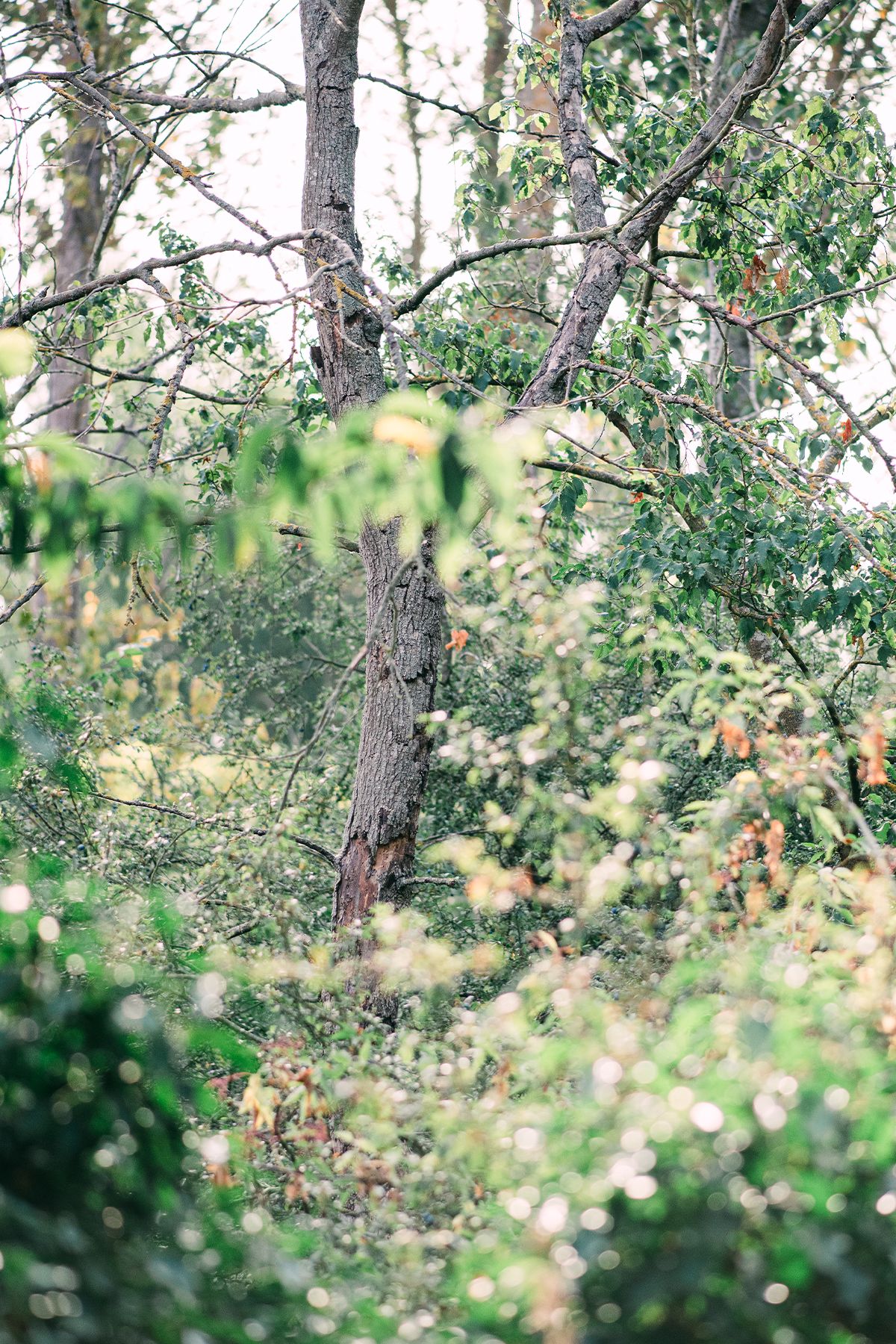
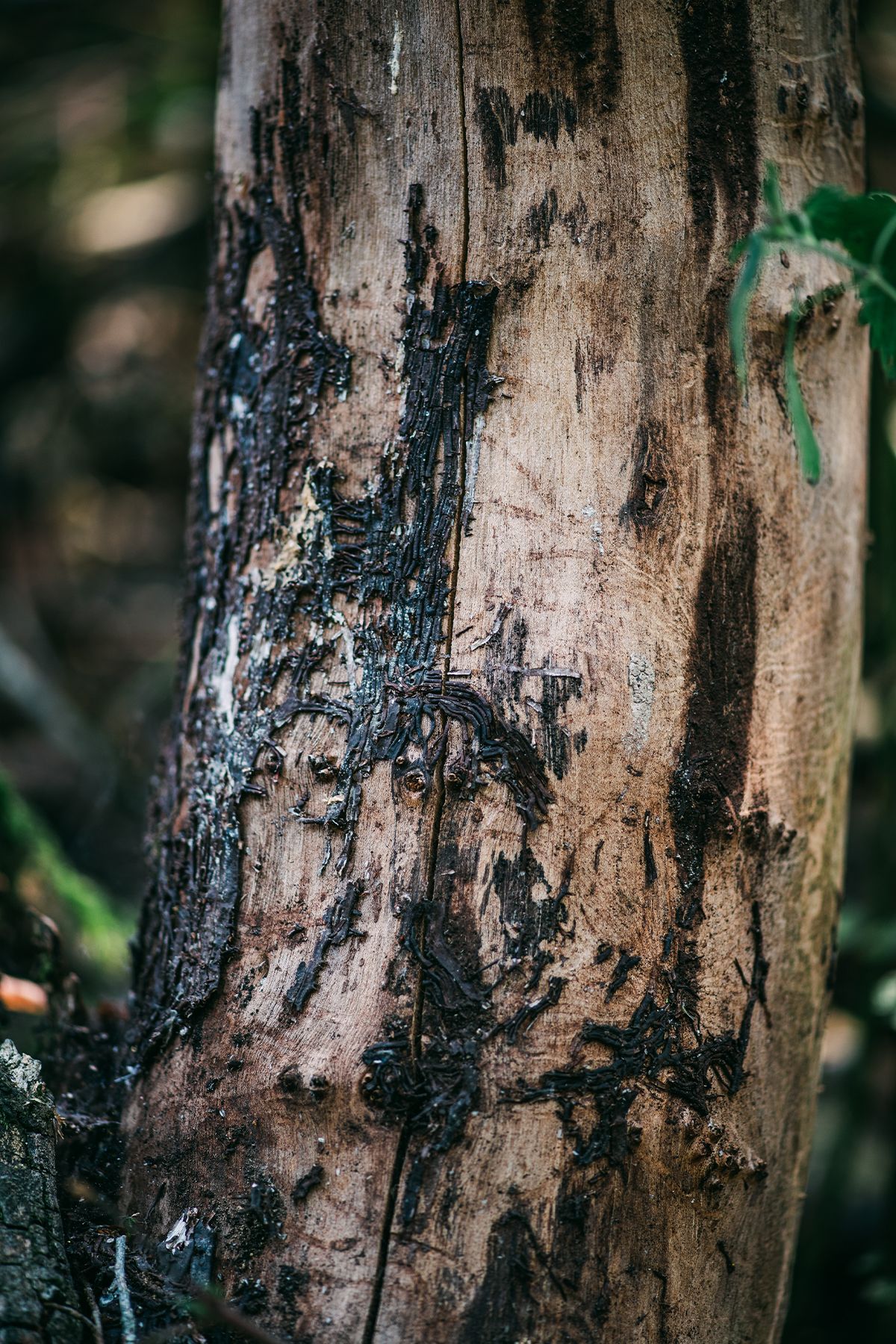
It wasn't until I took over Frowning Sparrow Woods and began spending much more time looking closely at the trees that I realised they were elms. And, more importantly, I began to see that this wasn't just one or two dead trees - all of them were struggling.
What is killing the elms?
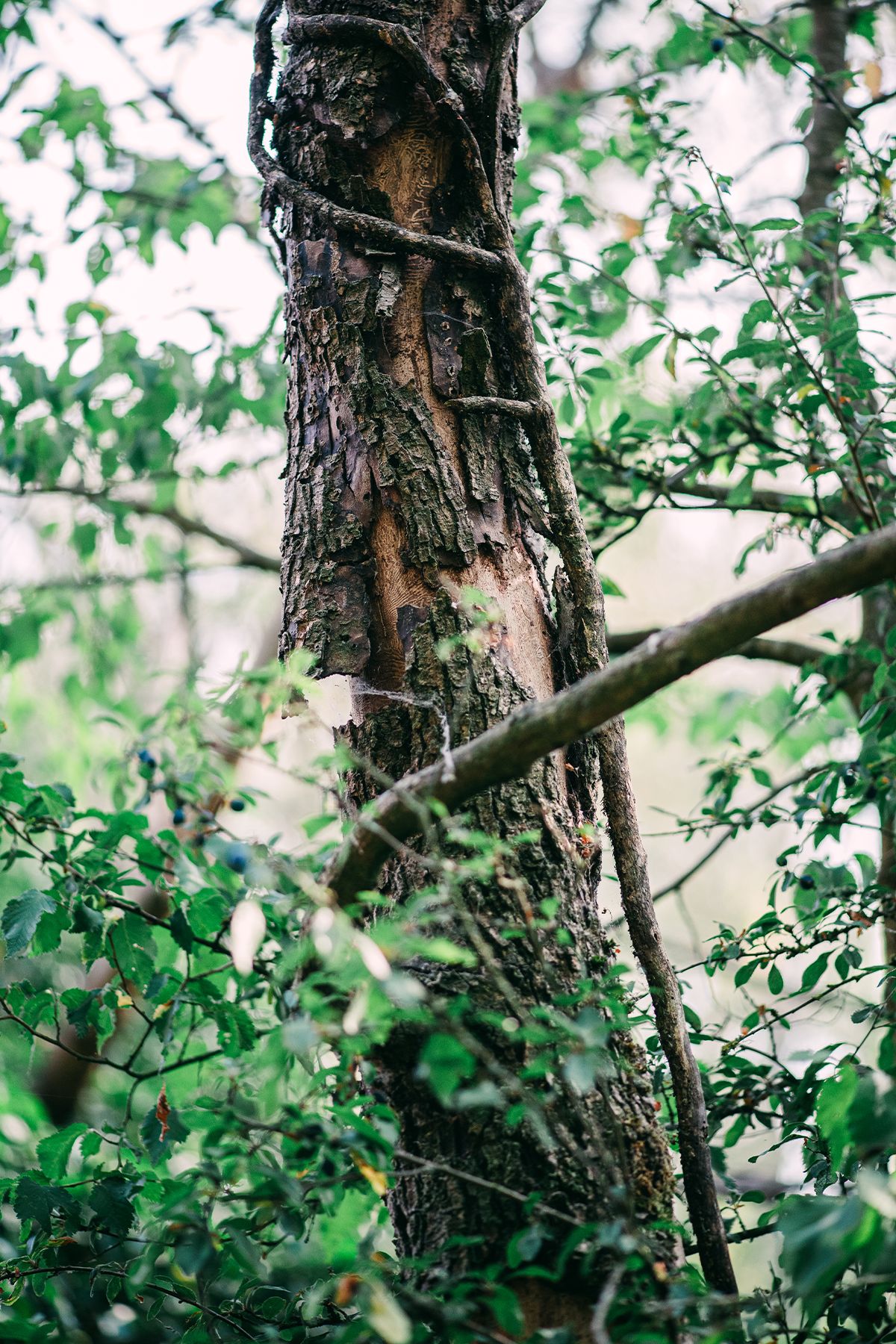
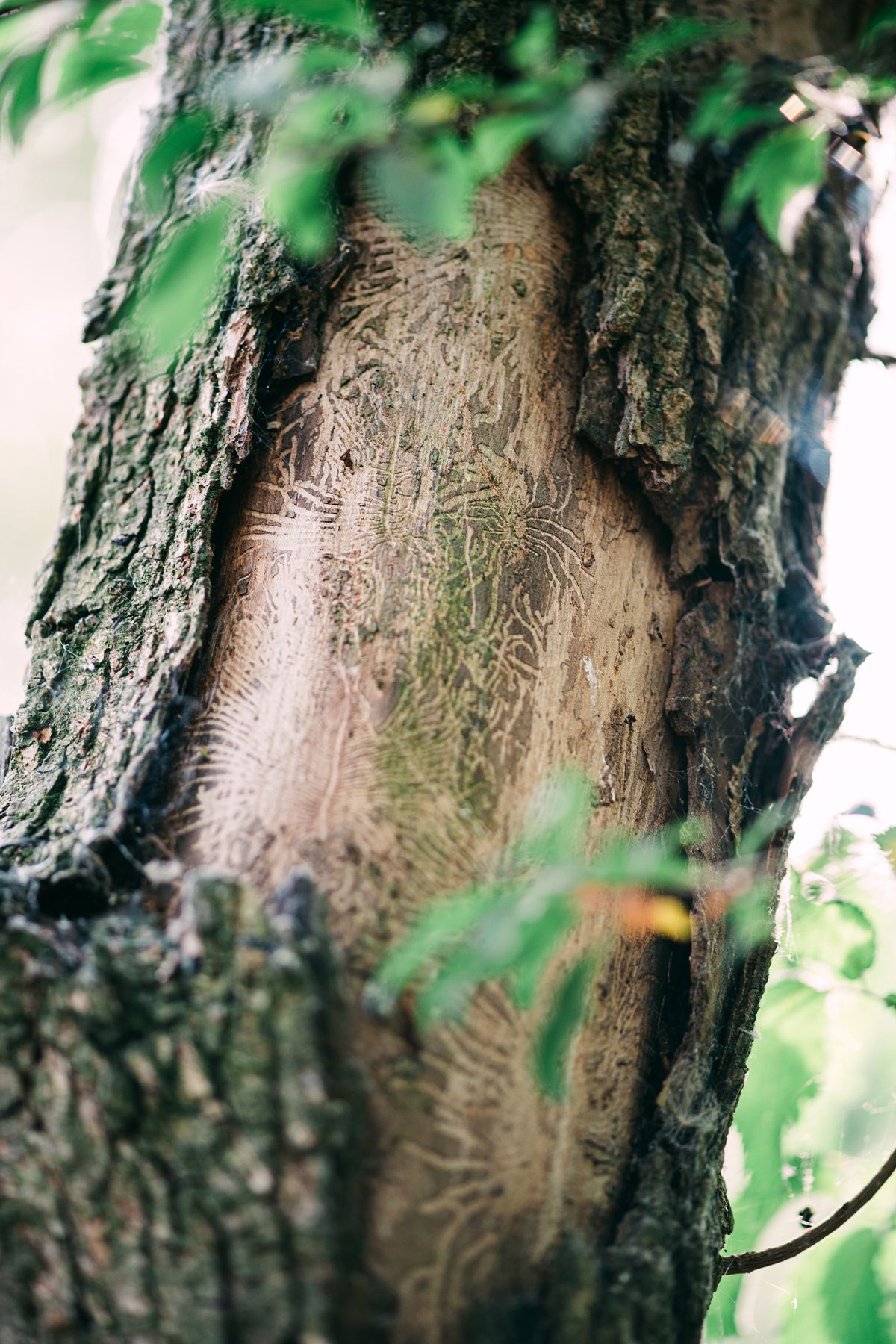
The likely cause is the elm bark beetle, which spreads the fungus responsible for Dutch elm disease. This disease has already swept through much of the area, and it appears that the elms here have not escaped it.
I can't say for certain that every dead or struggling elm is the result of Dutch elm disease, but the presence of the beetle and the widespread pattern of decline point towards it.
Life during death
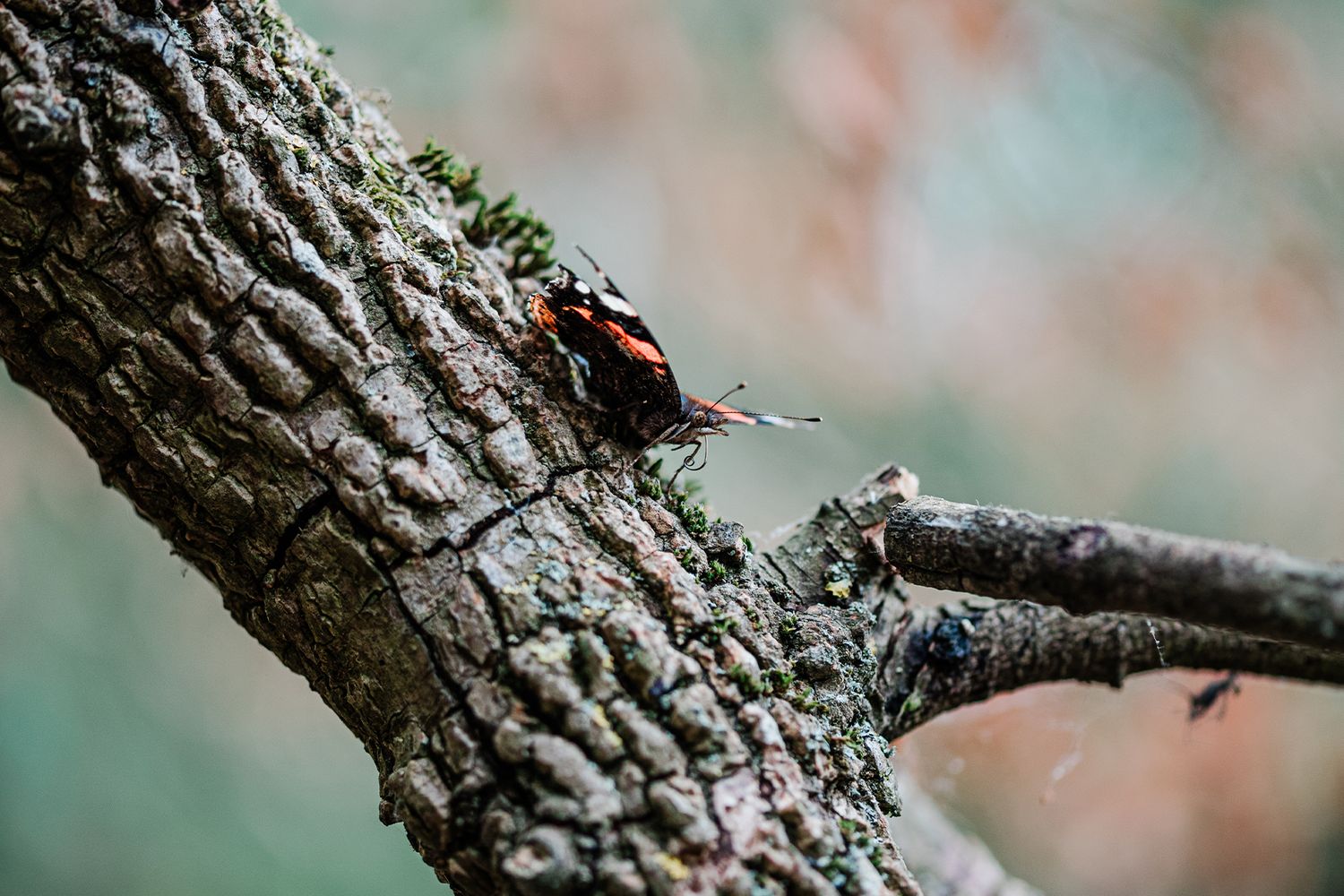
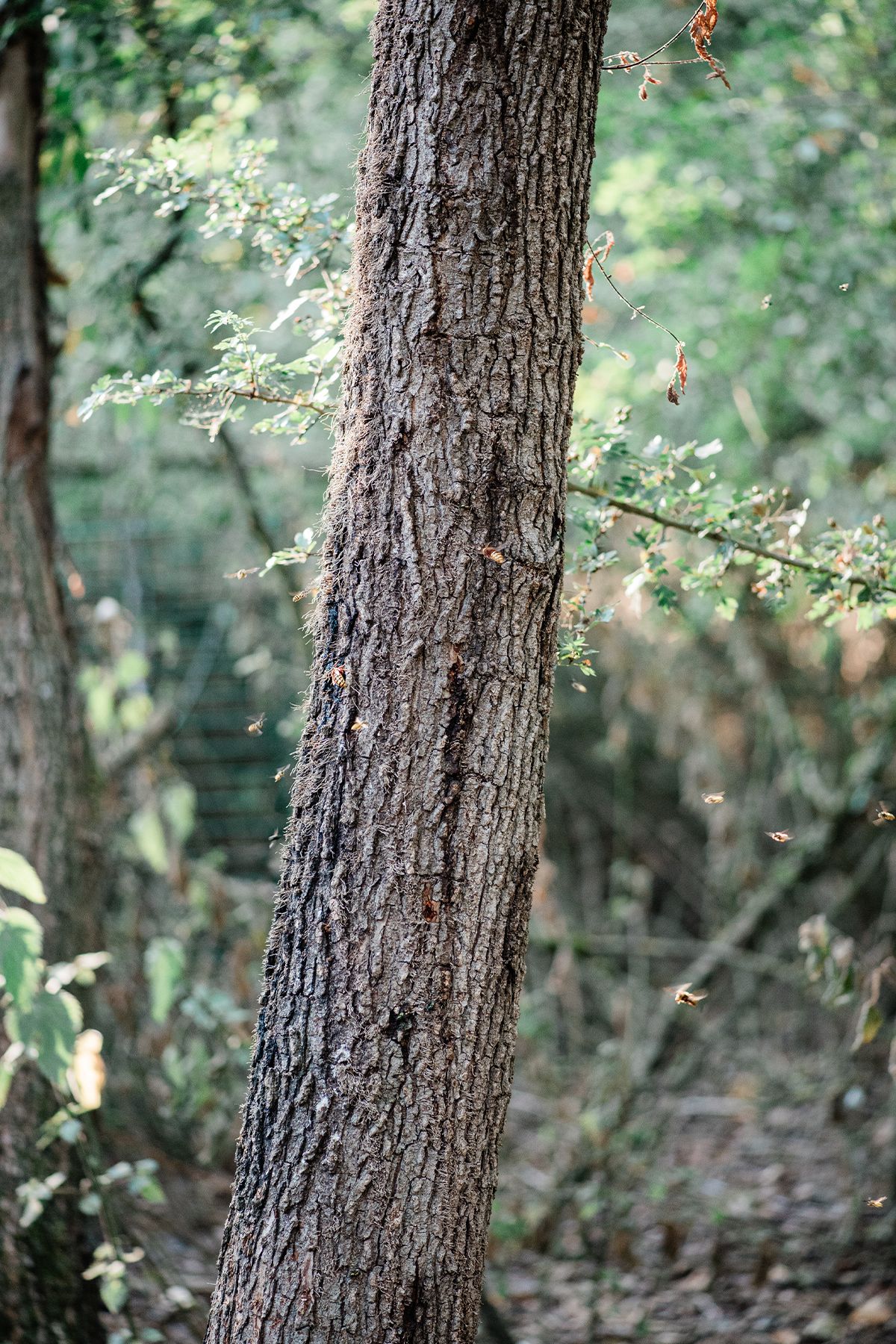
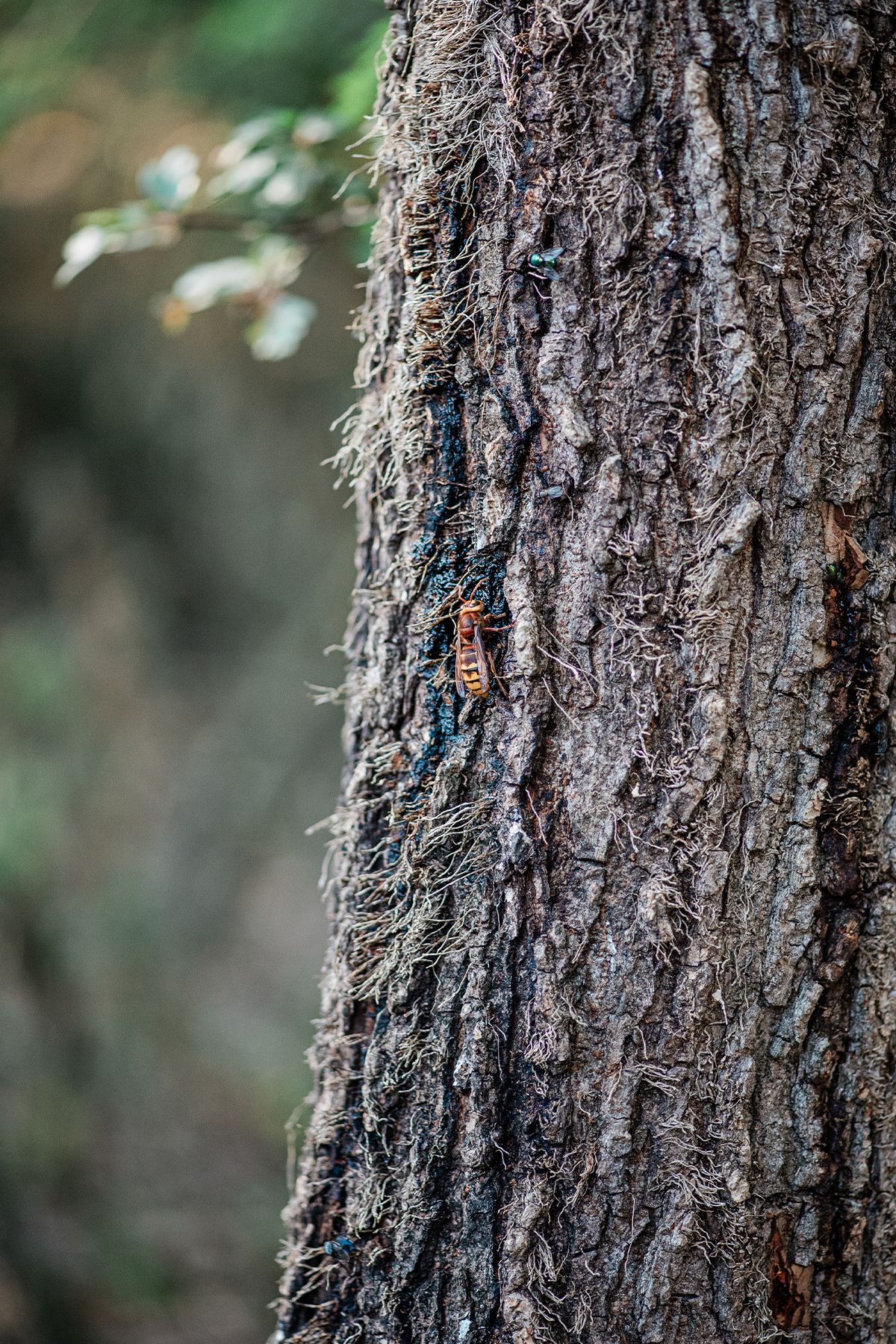
There are two trees in particular where I have noticed an abundance of sap flowing from the trunk as the trees struggle to survive. This has become a food source in itself, attracting Red Admirals, hornets, wasps and several species of fly.
The older, dying trees are different. The signs of life are less obvious, but they are still there. I have seen woodpeckers working at the trunks, presumably searching for the insects and larvae living beneath the bark. As the bark begins to separate from the trunk, it creates cracks and sheltered spaces where insects and other small creatures can hide, including species that use these protected spaces to overwinter. Loose bark can even provide roosting places for bats.
And it isn't only what happens beneath the bark. The exposed trunk becomes a surface for fungi, lichens and other organisms, while the fallen pieces of bark become part of the woodland floor, providing further shelter and food as they slowly break down.
The trees may be dying, but they are still supporting life, and as they move from living trees to deadwood, they begin to create a different kind of habitat.
A future for the elms
Seeing so many of the mature elms dying has made me think about what the future might look like for elms in the woods. I am going to try growing some new elms and managing them differently - by coppicing them rather than allowing them to grow into mature trees. The hope is that keeping them as smaller, younger trees might make them less attractive to the elm bark beetle and give them a better chance of surviving.
It is something I want to try rather than something I know will work. But if the mature elms are struggling, perhaps there is another way to keep elm as part of the woodland.
For now, I'll be watching to see what happens.
Behind the Lens
Slow Shutter - Wild Land
If you like photography, don't forget to check back on the 8th of June, September, and December for my quarterly photo newsletter all about the gear I use.
Coming on 8th September ~ The Nikkor-C 500mm f/8 Reflex Lens.