My Experience Shooting with My Dad’s Vintage Nikon Lenses
The Primes
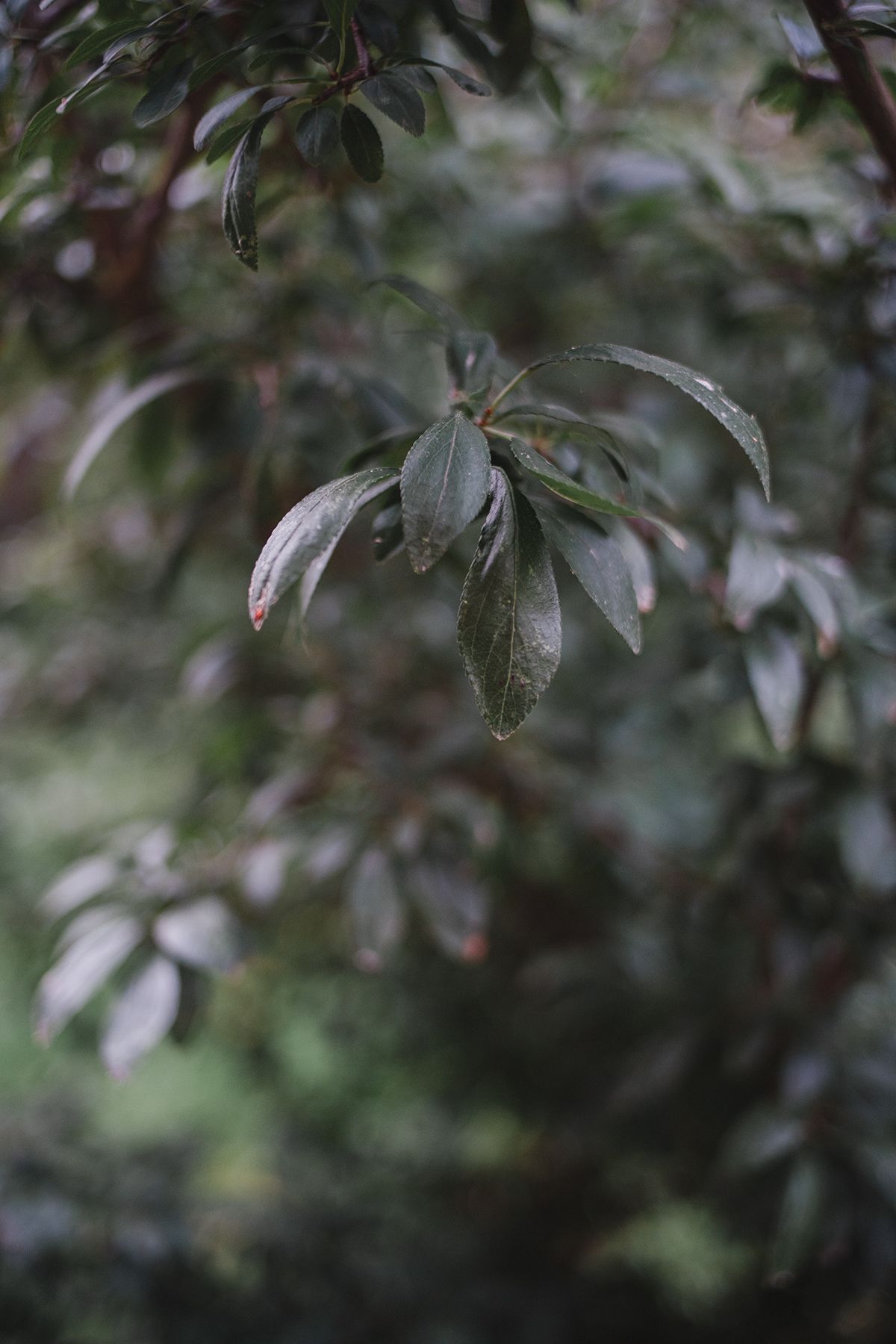
Nikon D810 | Nikkor-E 35mm f/2.5 @ f/2.5, ISO 400, 1/100s
Introduction
When I lost my father, I inherited more than just memories; I inherited his vision. Sitting in his camera bag were Nikon lenses, heavy with history that had seen decades of life through his eyes. As an artist, I didn’t want to put them on a shelf. I wanted to see what they could do today.
Instead of running technical charts, I took his vintage lenses into the field to see how it felt. I wanted to discover how these tactile, manual lenses translated light onto modern digital sensors—testing them across everything from the classic Nikon D100 and reliable D750 to the legendary rendering of the Nikon D700.
This isn't a clinical review of edge-to-edge sharpness. This is an artistic exploration of what happens when you pair the soul of 40 to 50 year optics with digital sensors, and what I loved—and struggled with—along the way.
Because his camera bag held a total of five lenses, I have separated this project into two parts to give each unique lens the focus it deserves. In this first post, I’m diving into his prime lenses—fixed focal lengths built for raw, uncompromised character—while dedicating the second post entirely to his vintage zooms
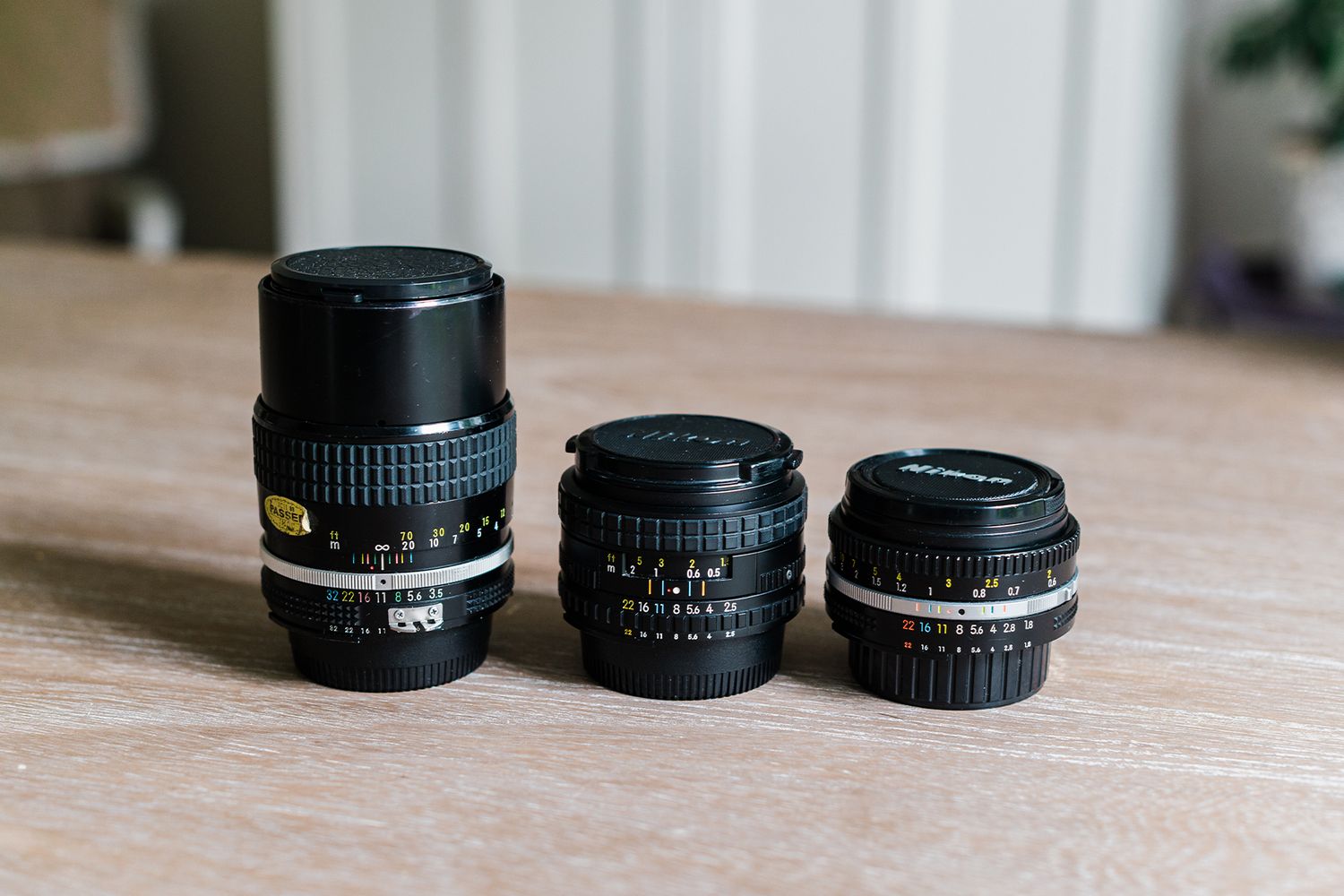
Nikkor 135mm f/3.5 AI
Era: Late 1970s to Early 1980's (Introduced in 1977)
Key Feature: True AI coupling with a built-in retractable metal lens hood - Manual Focus
Paired With: Nikon D750
This was my dad's absolute favourite lens. Sadly, for me, it’s my least favourite—sorry, Dad.
The problem isn't that it's bad; it's that it's too good. Despite being nearly fifty years old, the rendering feels surprisingly modern. It is sharp, well-corrected, and contrasty. But when I pick up a vintage lens, I am looking for the flaws, the character, and the nostalgic warmth of the past. The 135mm AI behaves too much like a modern lens, stripping away the vintage soul I was searching for. It was the perfect tool for his eye, but it clashes with the specific imperfection I want in my art.
I even tried to force some character into it by screwing a Kood Close-Up Filter No. 2 onto the front element to turn it into a macro tool. But honestly? Even with the filter on, I still don't like it. It is just too clean for me.
It turns out it was the perfect tool for my father's eye, but it clashes completely with the specific imperfection I want in my art.
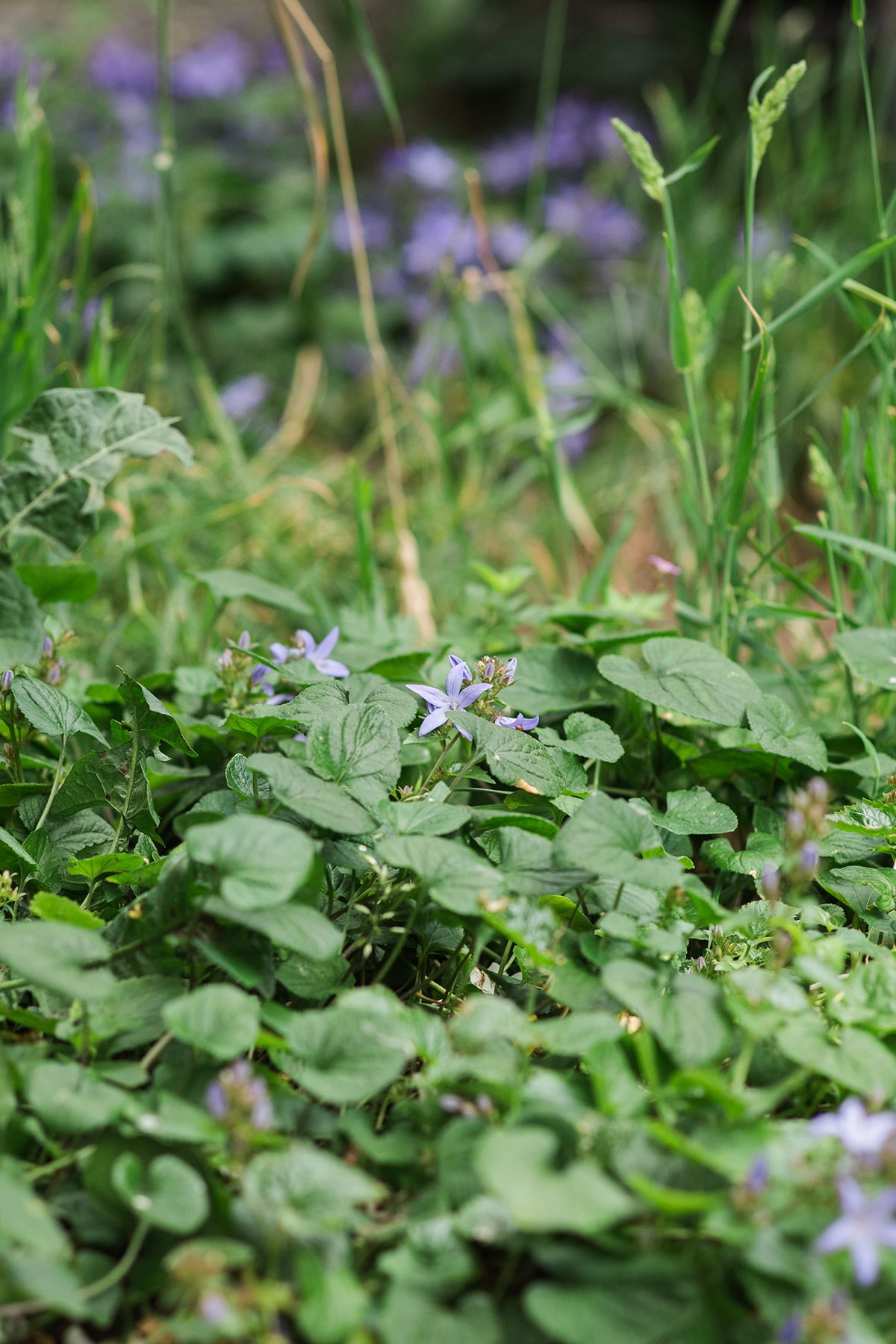
Nikon D750 | Nikkor 135mm f/3.5 ai @ f/4, ISO 800, 1/500s
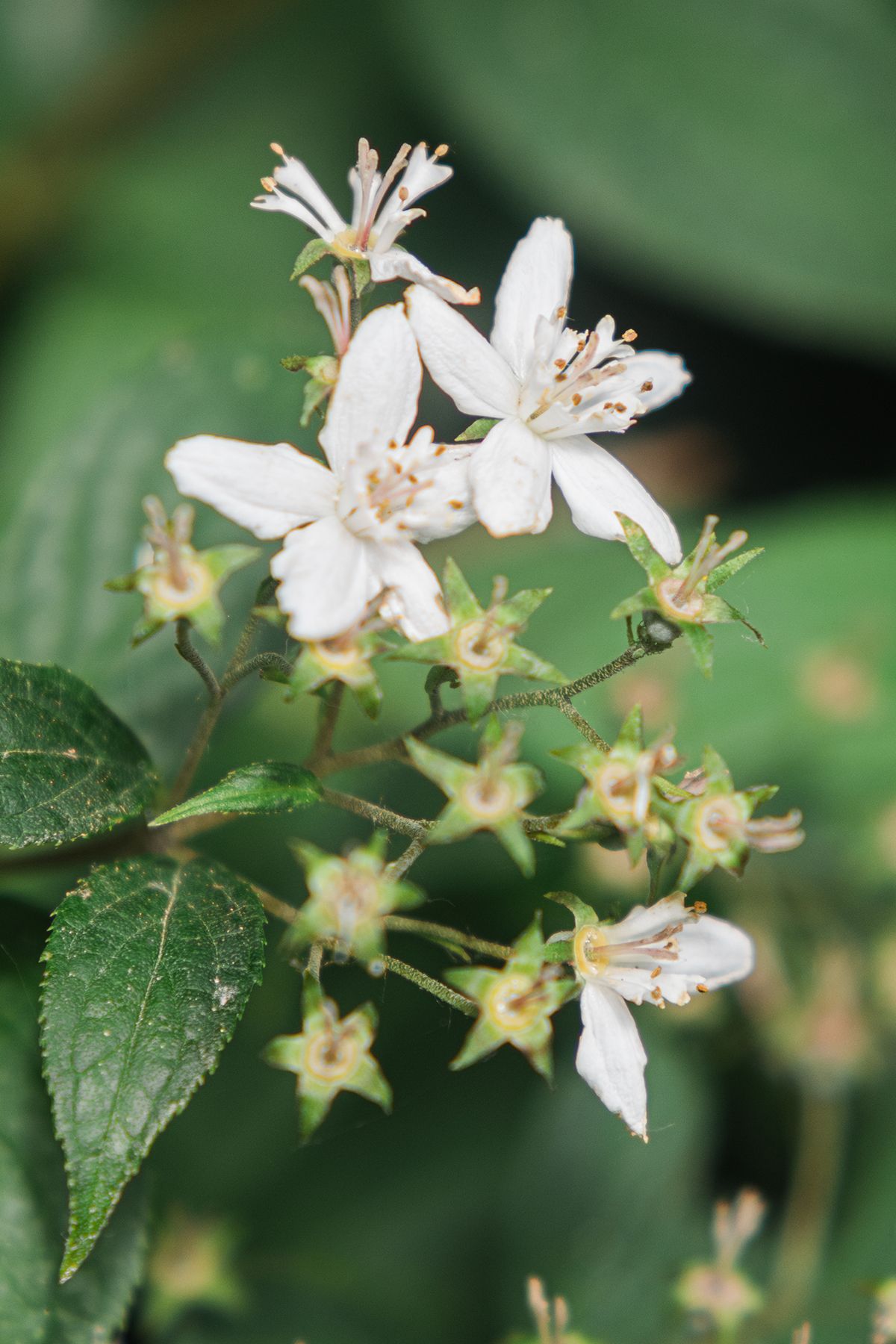
Nikon D750 | Nikkor 135mm f/3.5 ai @ f/5.6, ISO 800, 1/800s, with Kood Close Up Filter - No.2
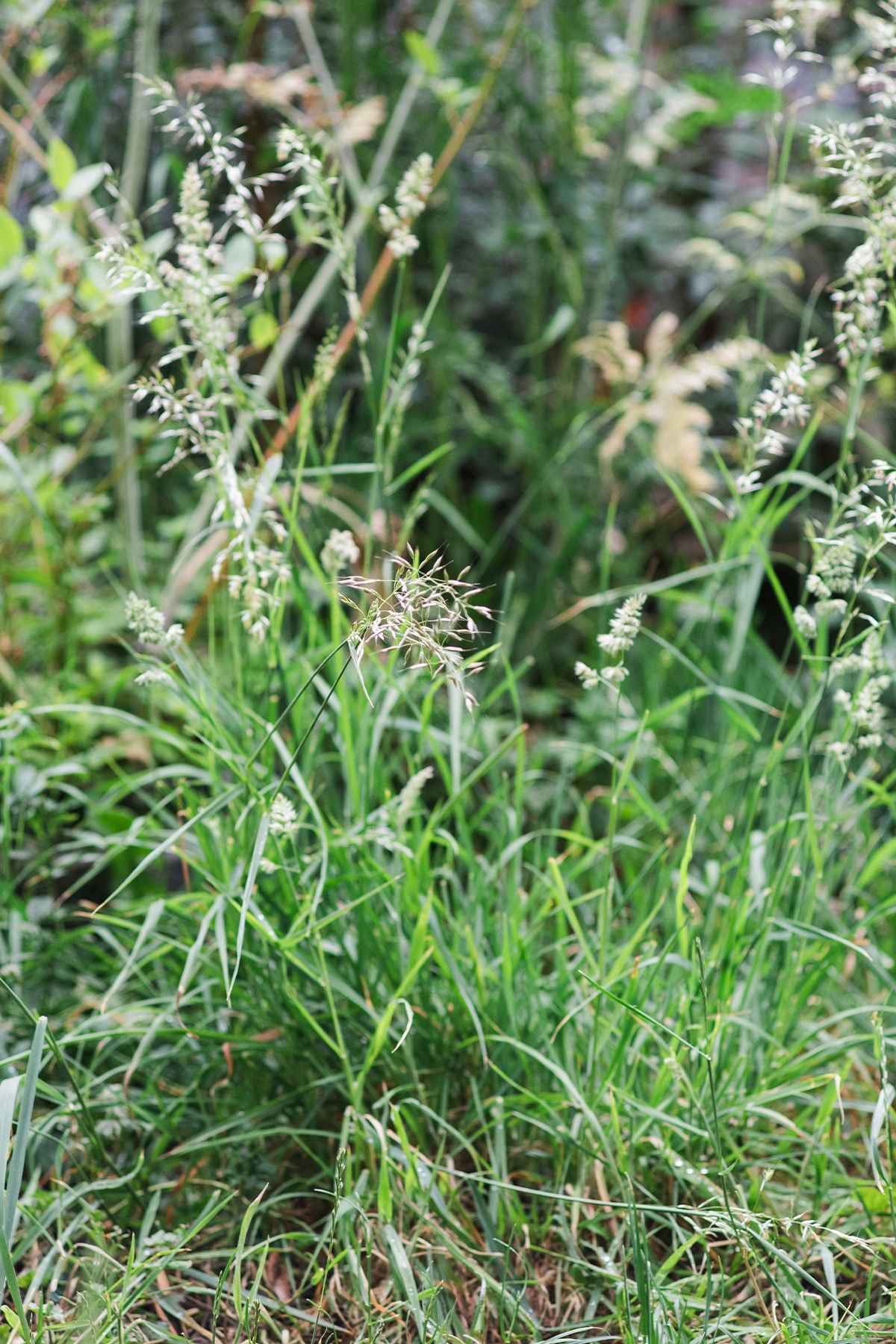
Nikon D750 | Nikkor 135mm f/3.5 ai @ f/4, ISO 800, 1/1600s
Nikkor 50mm f/1.8 AI-s
Era: 1980s (compact pancake variant)
Key Feature: Ultra-compact, all-metal "pancake" design that delivers high-contrast, razor-sharp rendering in a body less than an inch thick.
Paired With: Nikon Z6
Wow, I love this lens. Unlike the 135mm, which felt a bit too sterile, this 50mm gets everything absolutely right for my eye. When it catches the light, it flares with just the right amount of soft haze—it's just beautiful.
It has the right amount of sharpness for me even wide open and in contrast to other vintage lenses I own there is a painterly softness with a beautiful roll off that isn't overly busy which is a nice contrast to my other lenses. I didn't find this lens diffciult to focus manually though the viewfinder which made it a joy just to carry around and use.

Nikon Z6 | Nikkor 50mm f/1.8 ai-s @ f/1.8, ISO 160, 1/800s
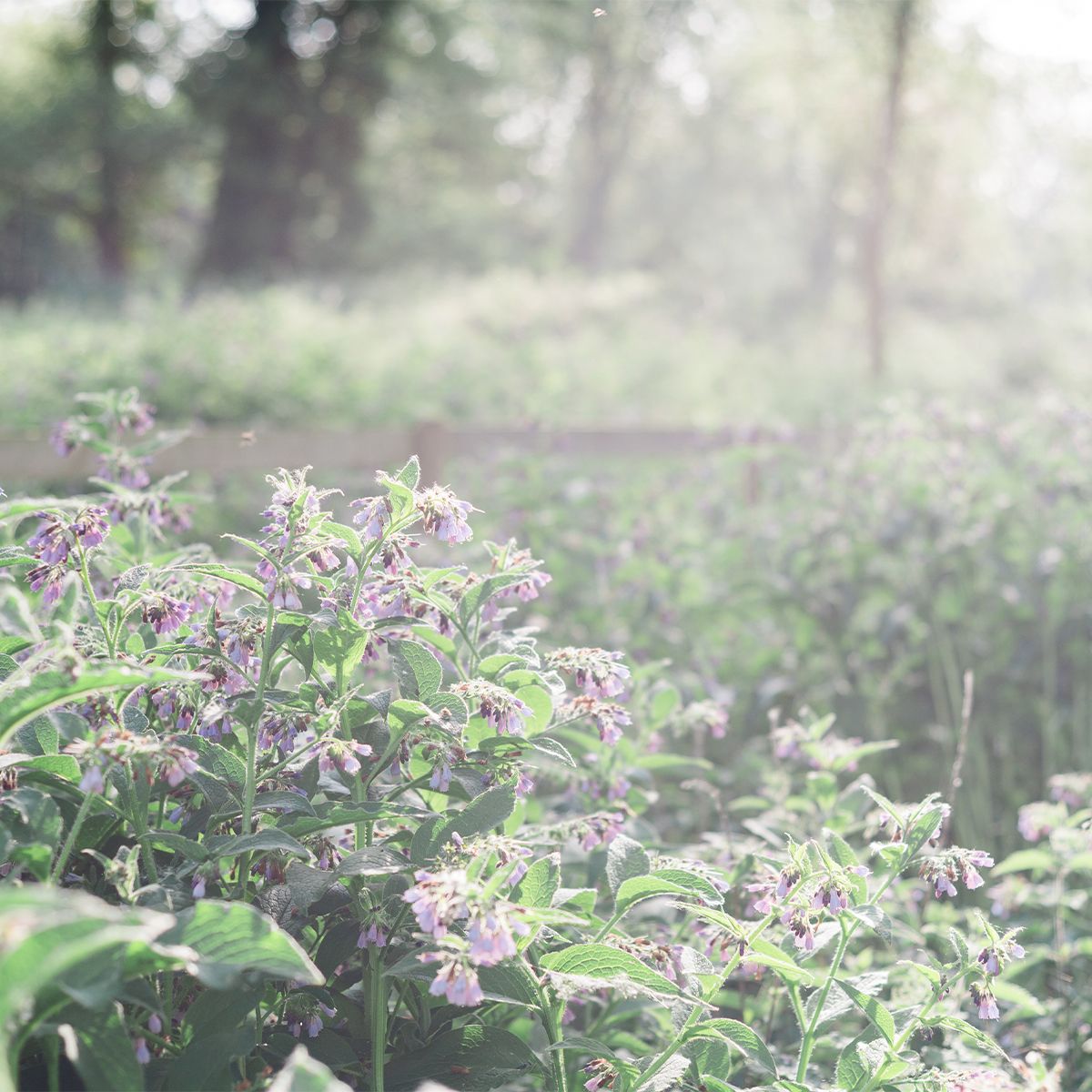
Nikon Z6 | Nikkor 50mm f/1.8 ai-s @ f/1.8, ISO 160, 1/800s
Nikkor 35mm f/2.5 E Series
Era: 1979–1985
Key Feature: Ultra-compact "pancake" design with simpler vintage coatings, lightweight
Paired With: Nikon D810 & Nikon D700
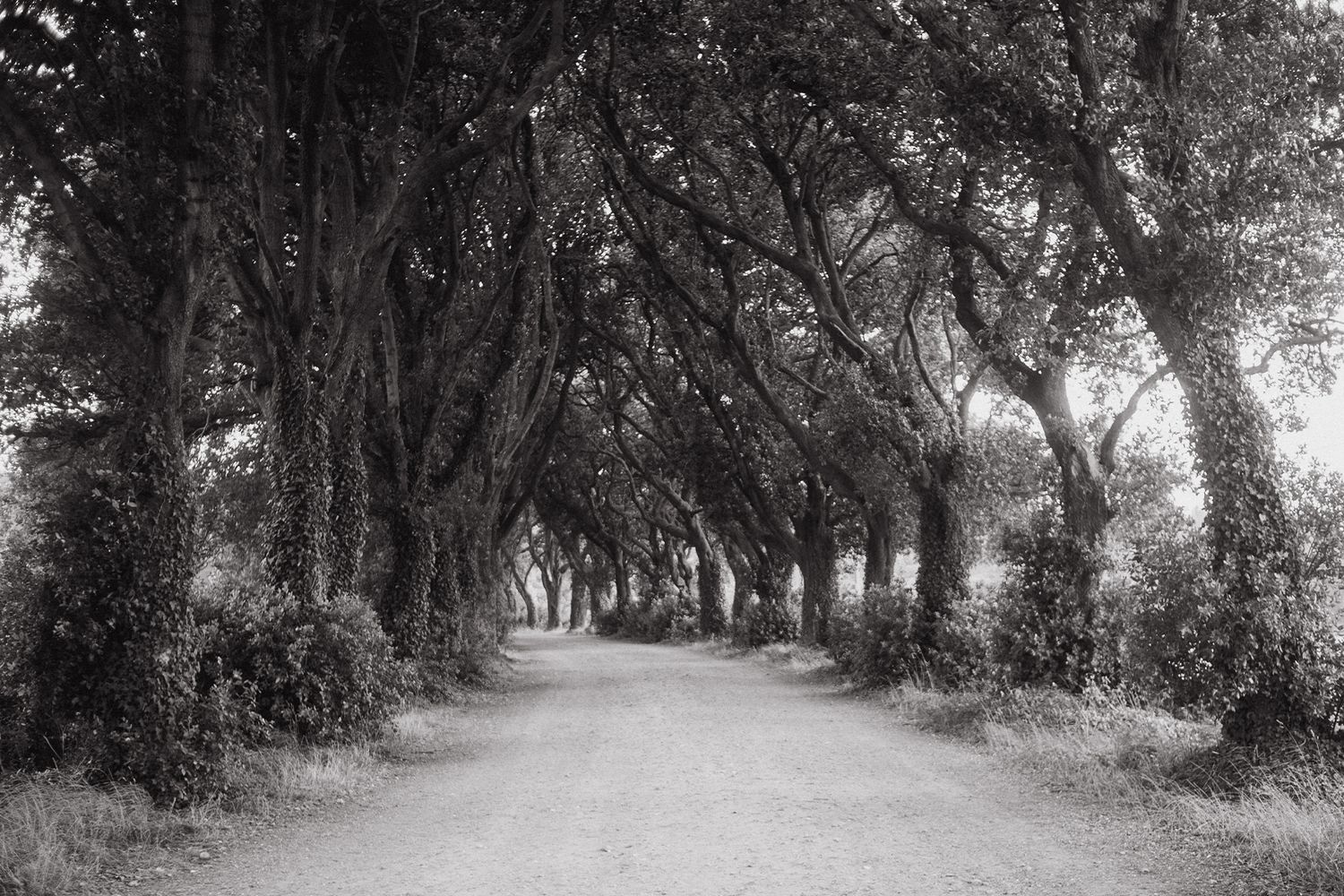
Nikon D700 | Nikkor-E 35mm f/2.5 @ f/5.6, ISO 200, 1/100s
This little underdog has completely stolen my heart. The Series E lenses were originally built as budget options in the late '70s, but in the art world, cheaper construction often yields the highest character. In fact, this specific lens is by far the one that renders the most vintage character of all the lenses I own.
It helps that my copy has a secret weapon: balsam separation in the elements. To a traditional gear reviewer, this aging, degrading glue is a fatal defect. To me, it’s magic. The separation creates a gorgeous, soft, hazy glow when the light hits it, coaxing a dreamy, ethereal quality out of the atmosphere even on flat, cloudier days.
When you shoot this lens wide open, that optical magic really happens. The backgrounds dissolve into a beautifully soft, painterly quality that modern, contrasty lenses simply cannot replicate.
At these smaller apertures, I switch exclusively to black and white nature documentary images. The combination of deep depth of field, natural diffraction, and the lens's honest contrast creates rich black and white images that look like archival film prints from another era. It simply transforms standard landscapes and natural textures into a timeless, moody photograph.
This has to be one of the favourite lenses I own, and I would love to try other E series lenses to see how they compare.
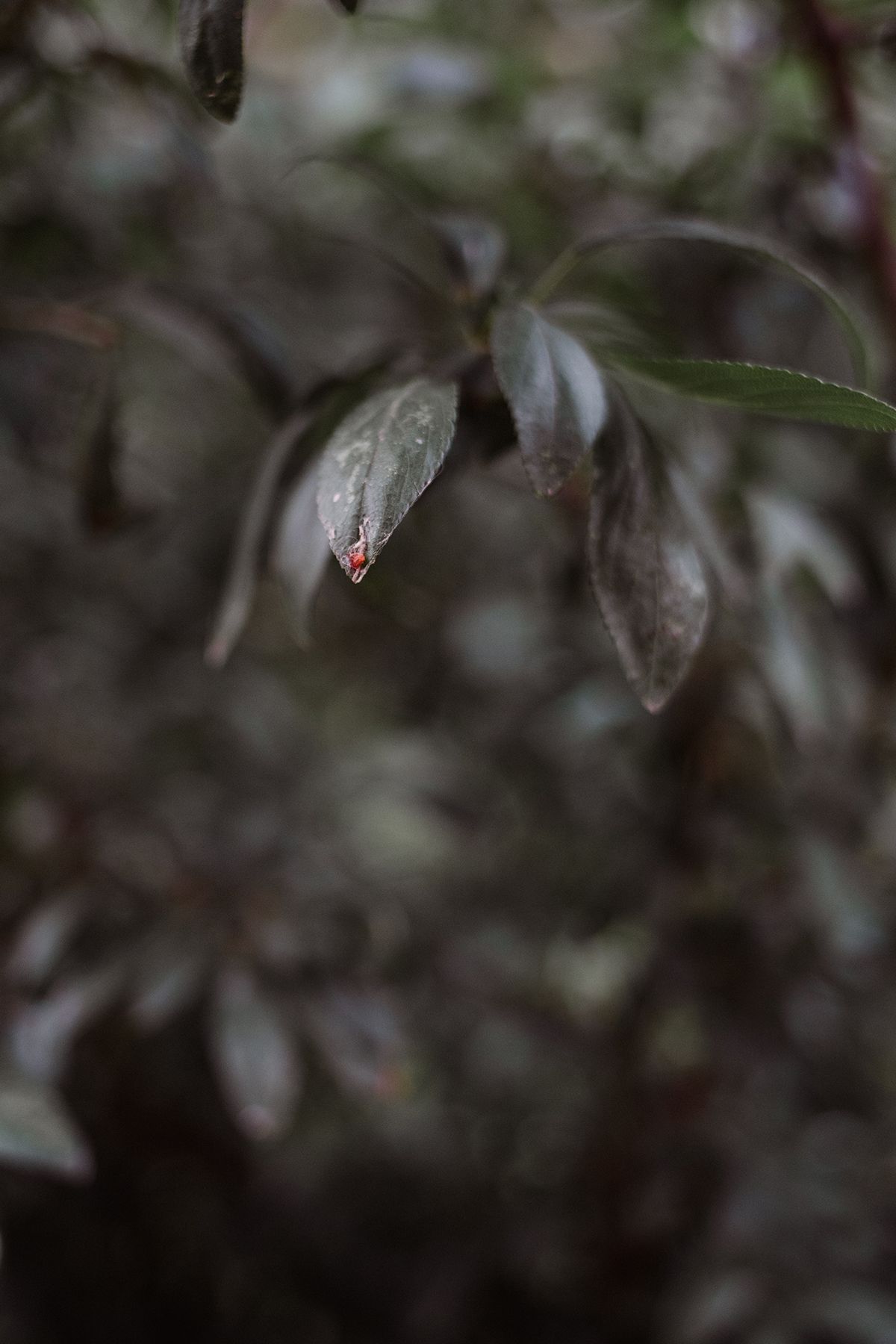
Nikon D810 | Nikkor-E 35mm f/2.5 @ f/2.5, ISO 400, 1/100s
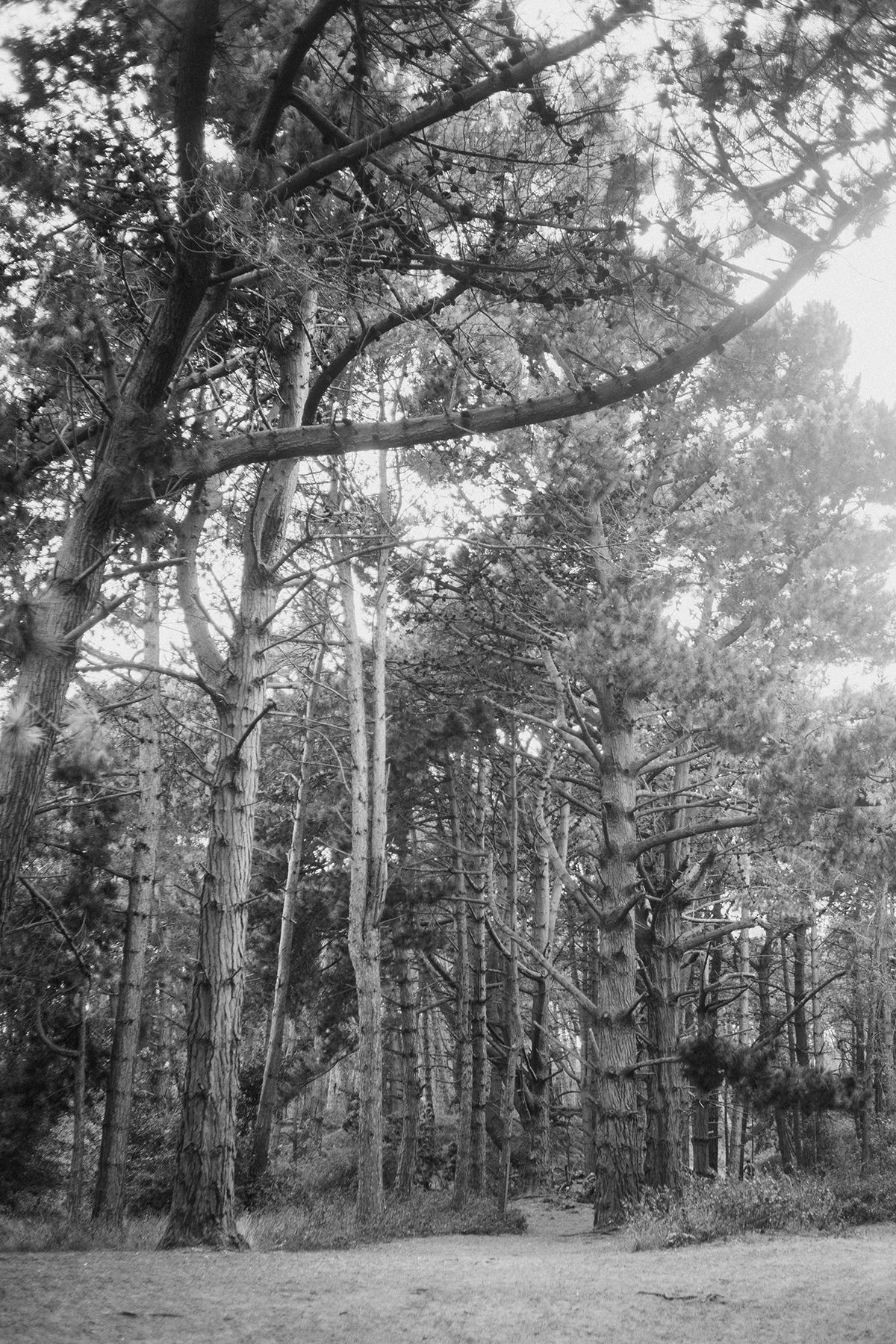
Nikon D700 | Nikkor-E 35mm f/2.5 @ f/5.6, ISO 200, 1/250s
Behind the Lens
Slow Shutter - Wild Land
If you like photography, don't forget to check back on 8th September and 8th December for my quarterly photo newsletter all about the gear I use.
Coming on 8th September ~ The Nikkor-C 500mm f/8 Reflex Lens.