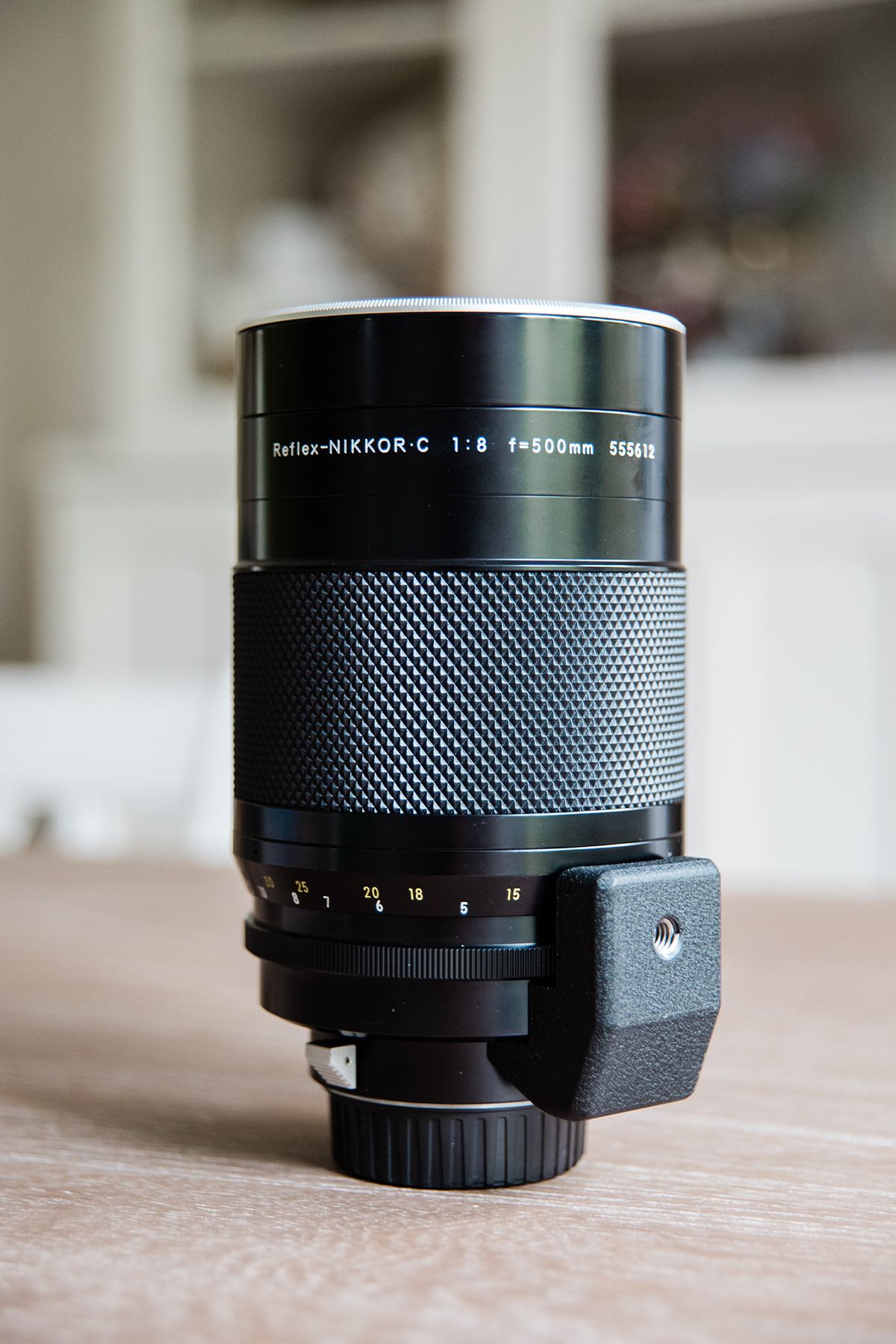
The Imperfectly Perfect Character Lens
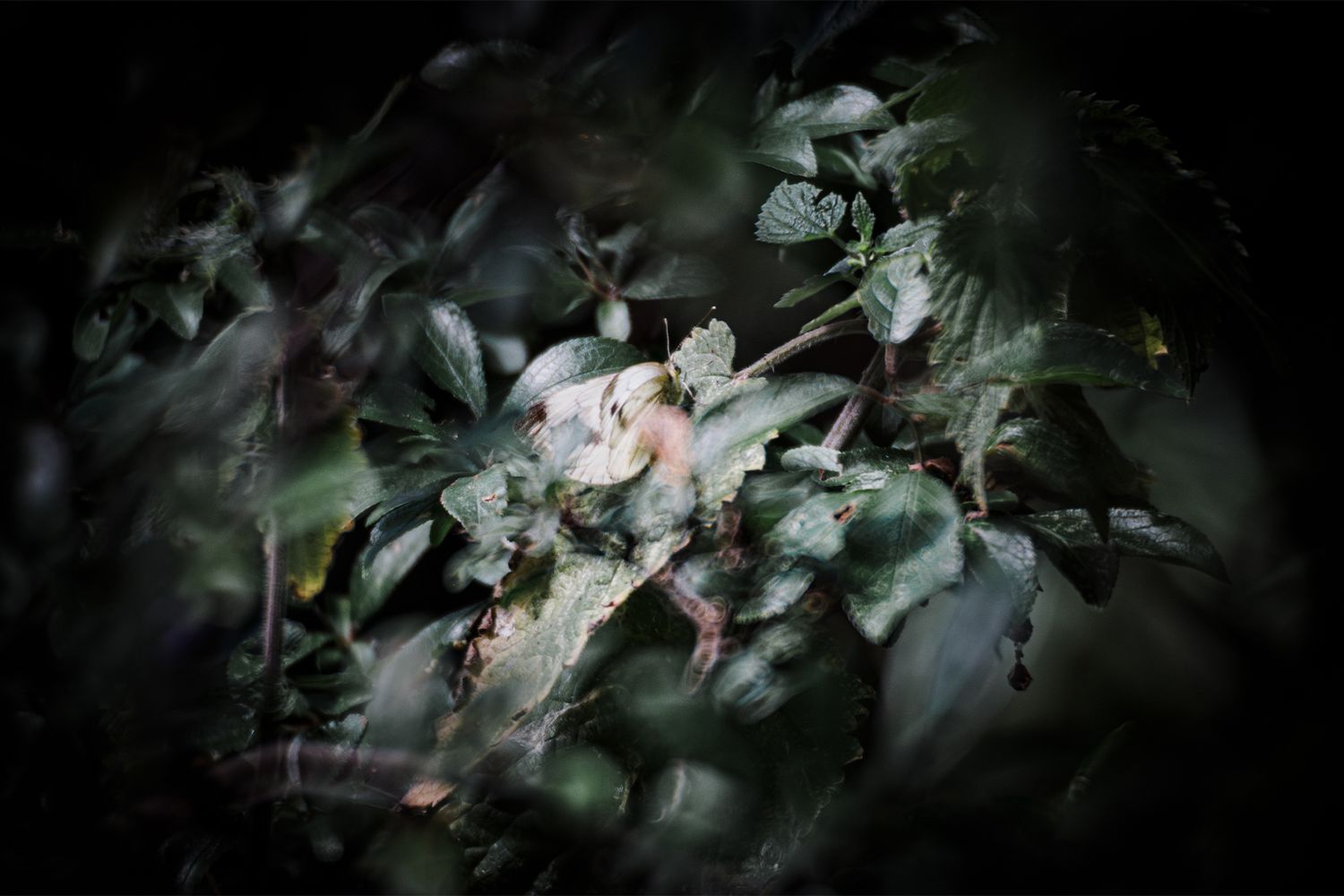
Nikon Z6 ~ ISO 1600 for 1/1250s
This is probably the most frustrating lens I have ever used, but when I start to get it right, I can see what this lens could be capable of, which keeps me completely hooked and wanting to keep trying and learning the language of this lens.
I first became interested in this lens when I was hunting for a telephoto lens on a very tight budget. I came across it in a YouTube video and immediately loved the artful compression and bokeh it created in the background. It seemed like it could be the perfect tool for my photography.
To say my first attempt with this lens didn't go well would be an understatement, and it proved that understanding the technical side of a lens can go a long way! I hadn't really thought about the shutter speed needed to counteract the natural hand-shake that can happen when using this lens. It has no VR, so you are completely dependent on getting the combination right to have any chance of a sharp image.
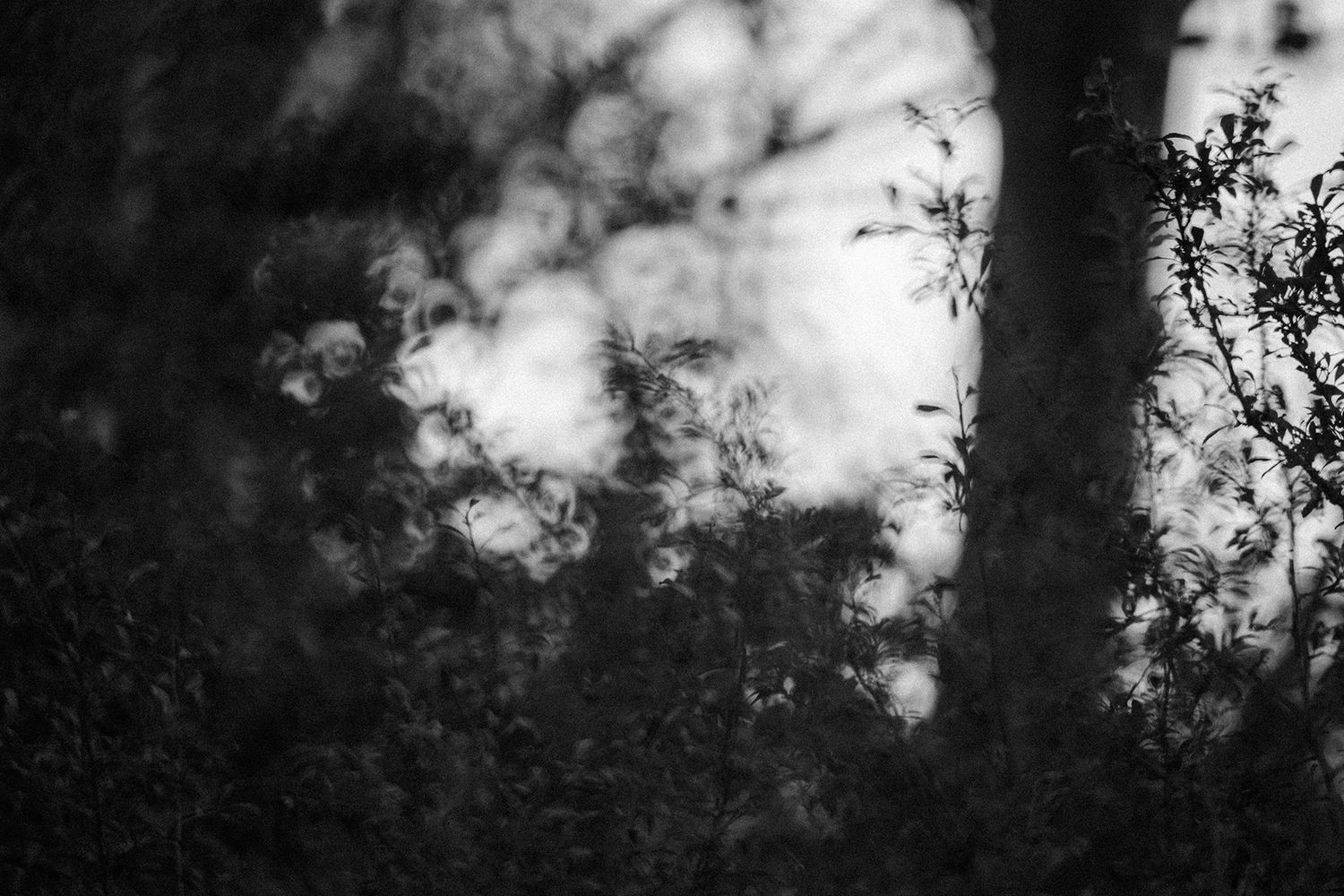
Nikon D750 ~ ISO 100 for 1/500s
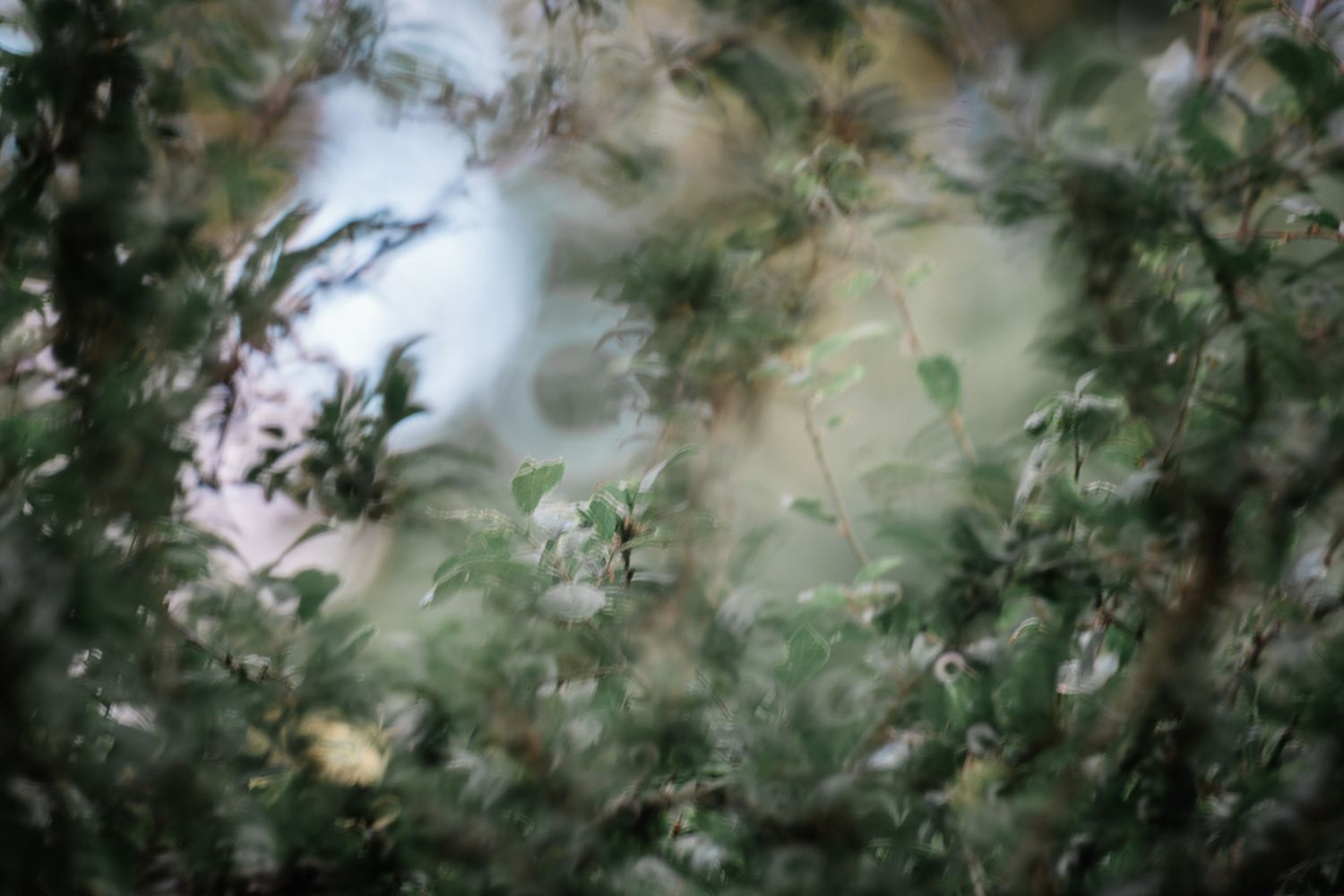
Nikon D750 ~ ISO 100 for 1/15s
Setting the shutter speed to a minimum of 1/1000s is crucial, along with having a camera body that can support f/8 at 1/1000s without pushing the ISO beyond what the camera can comfortably handle before ugly noise starts to creep in. This puts some of my older camera bodies, such as the D200, largely out of the equation unless I'm shooting in a very bright location on a bright day. With this lens, I do find myself gravitating more towards the Z6 because it has the best ISO capabilities of all the cameras I own, as well as built-in VR, which gives me a little more help when hand-holding this lens.
Then you are completely at the mercy of your eyes and the focus confirmation indicator inside the camera. The depth of field at 500mm and f/8 can be incredibly narrow, so it is easy to move outside the zone of sharp focus. On a lens that is already naturally a little soft, even a slight shift in focus can result in a noticeably softer image. I have found focus peaking on the Z6 incredibly useful, and I've even thought about adding my video screen to the hot shoe for greater accuracy when photographing static subjects. But with moving subjects, it really is all down to your eyes and practice.
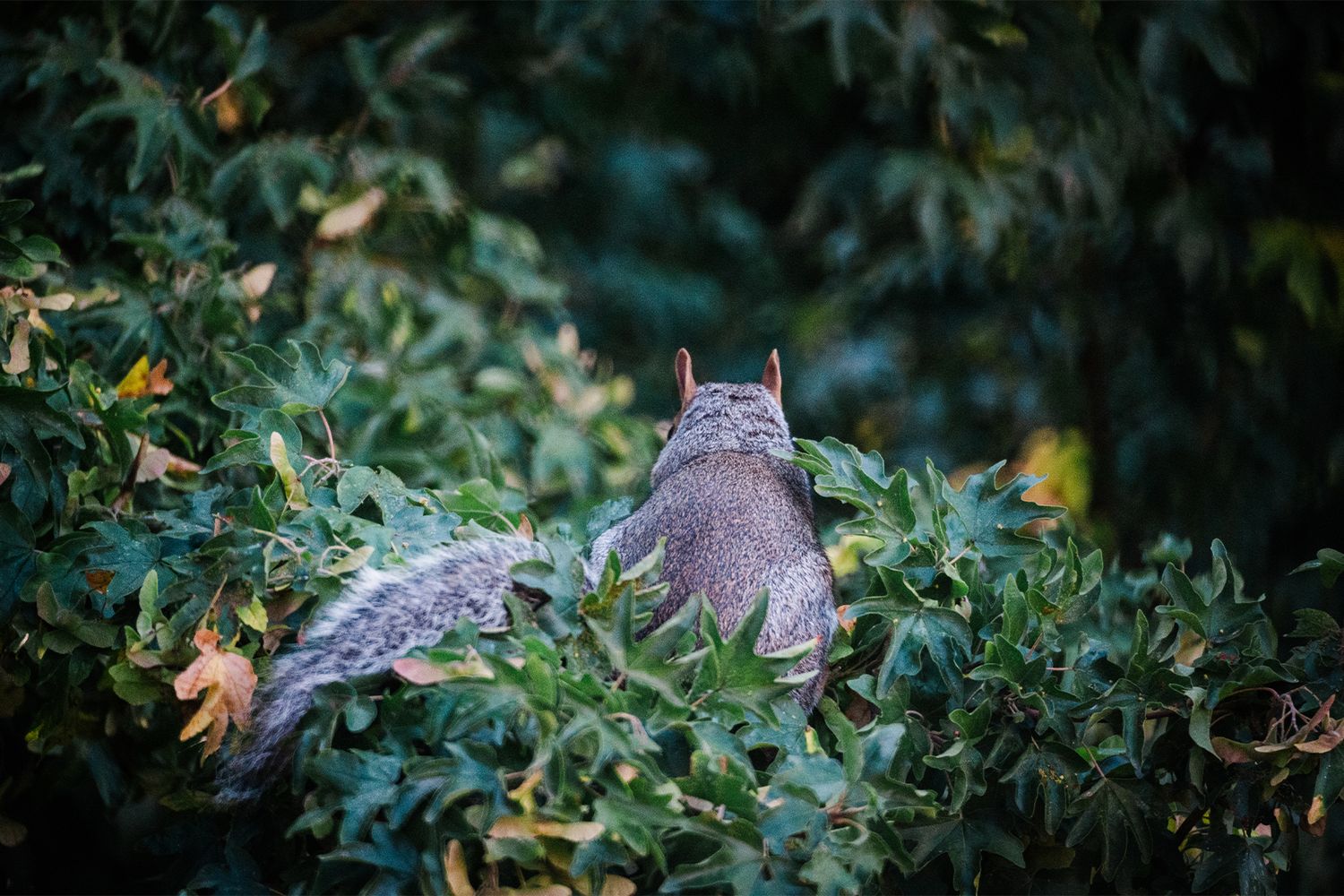
Nikon Z6 ~ ISO 6400 for 1/1000s
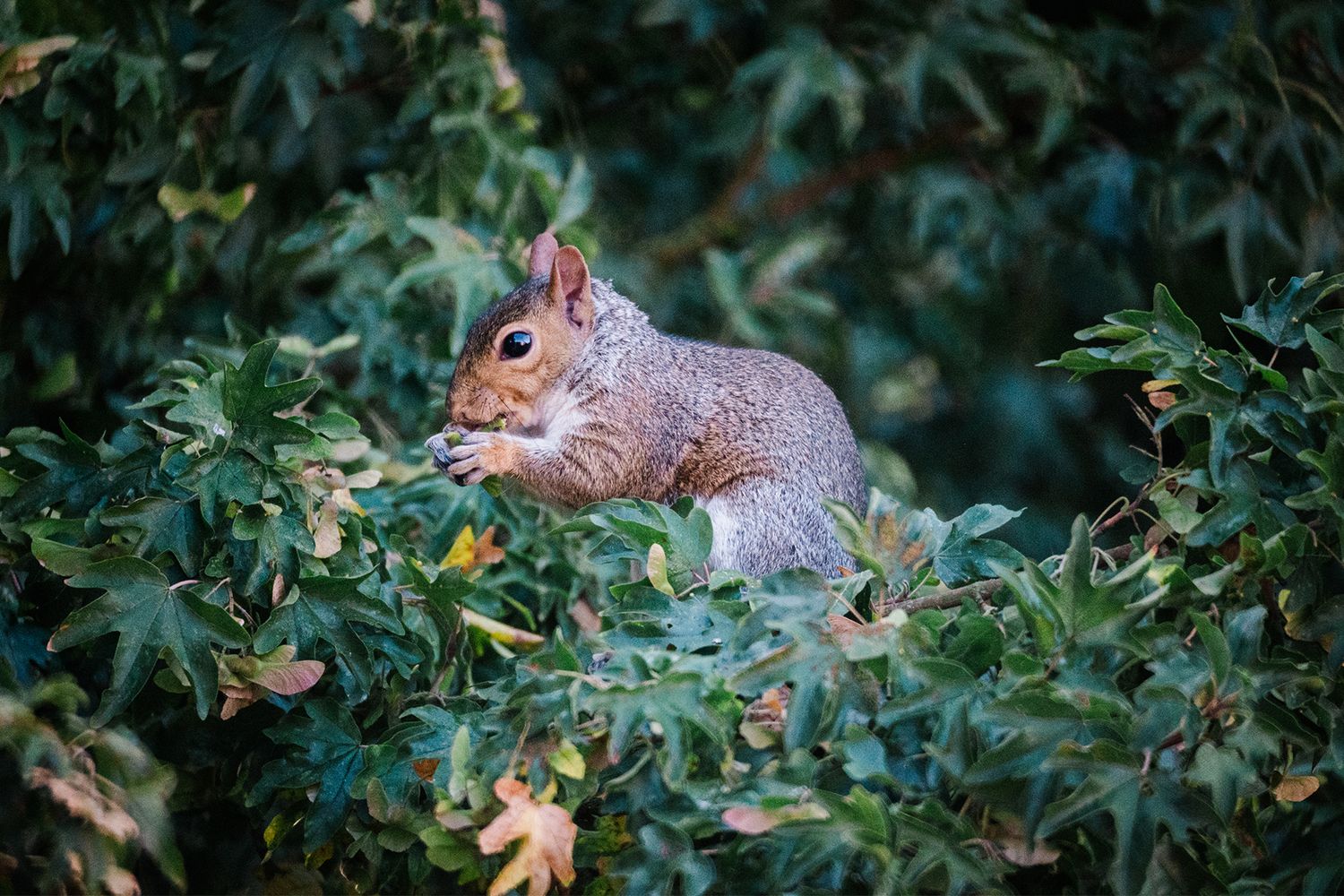
Nikon Z6 ~ ISO 6400 for 1/1000s
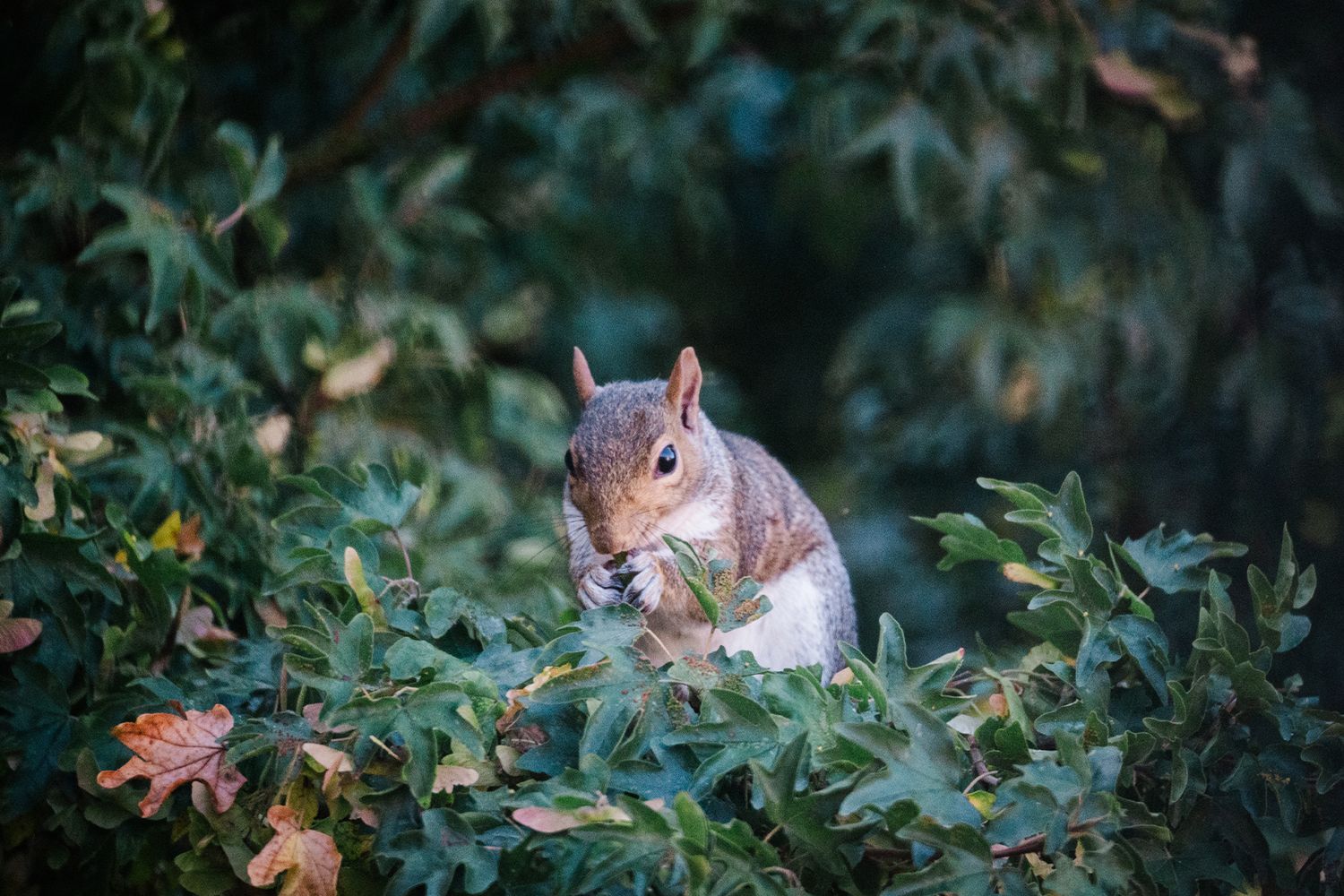
Nikon Z6 ~ ISO 6400 for 1/1000s
I have asked myself why bother when I have other lenses that are faster, sharper and have autofocus. And then I look at the images I've taken, and nothing else compares to the soul of this lens. There is something so unique about its rendering, and for me, part of photography is about capturing the soul and emotion of a moment in a frame, so that others can feel and experience that emotion too. There is something about its character that seems to capture the personality of the subject. Perhaps it is partly because manual focusing isn't instant, giving the subject time to glance towards the camera and create a moment of interaction.
Then there is the lens itself. The way it renders the background, particularly the bokeh before the familiar doughnut shapes become more pronounced, adds another layer of visual interest. It doesn't look like the rendering of other lenses, and perhaps that unfamiliarity makes you look a little harder at the image — encouraging you to explore it rather than simply glance and move on. And another layer is the fact that images taken with this lens will generally be at a higher ISO, which adds yet another layer of character to the photograph — provided, of course, that your camera produces nicely rendered noise!
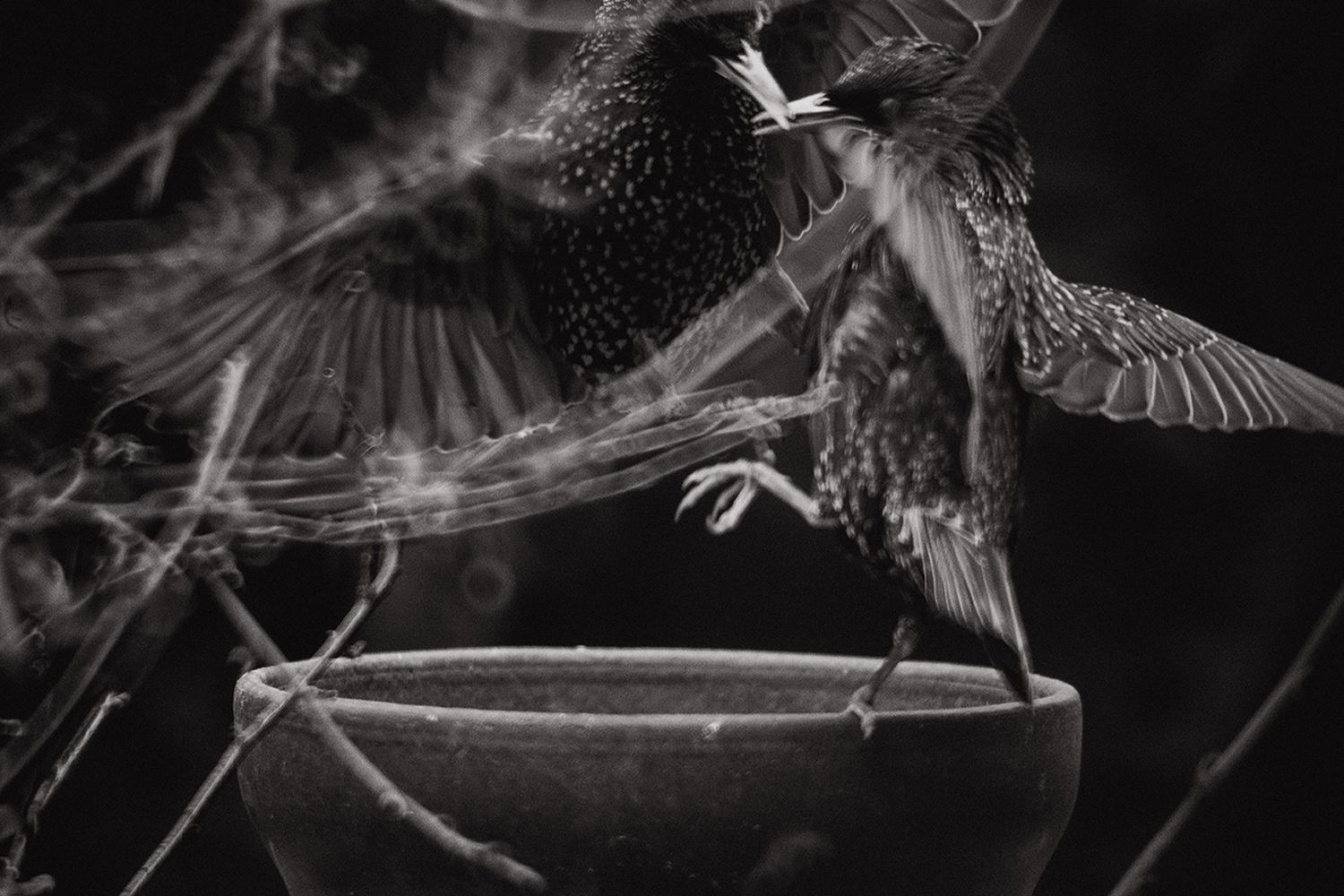
Nikon Z6 ~ ISO 10000 for 1/2500s
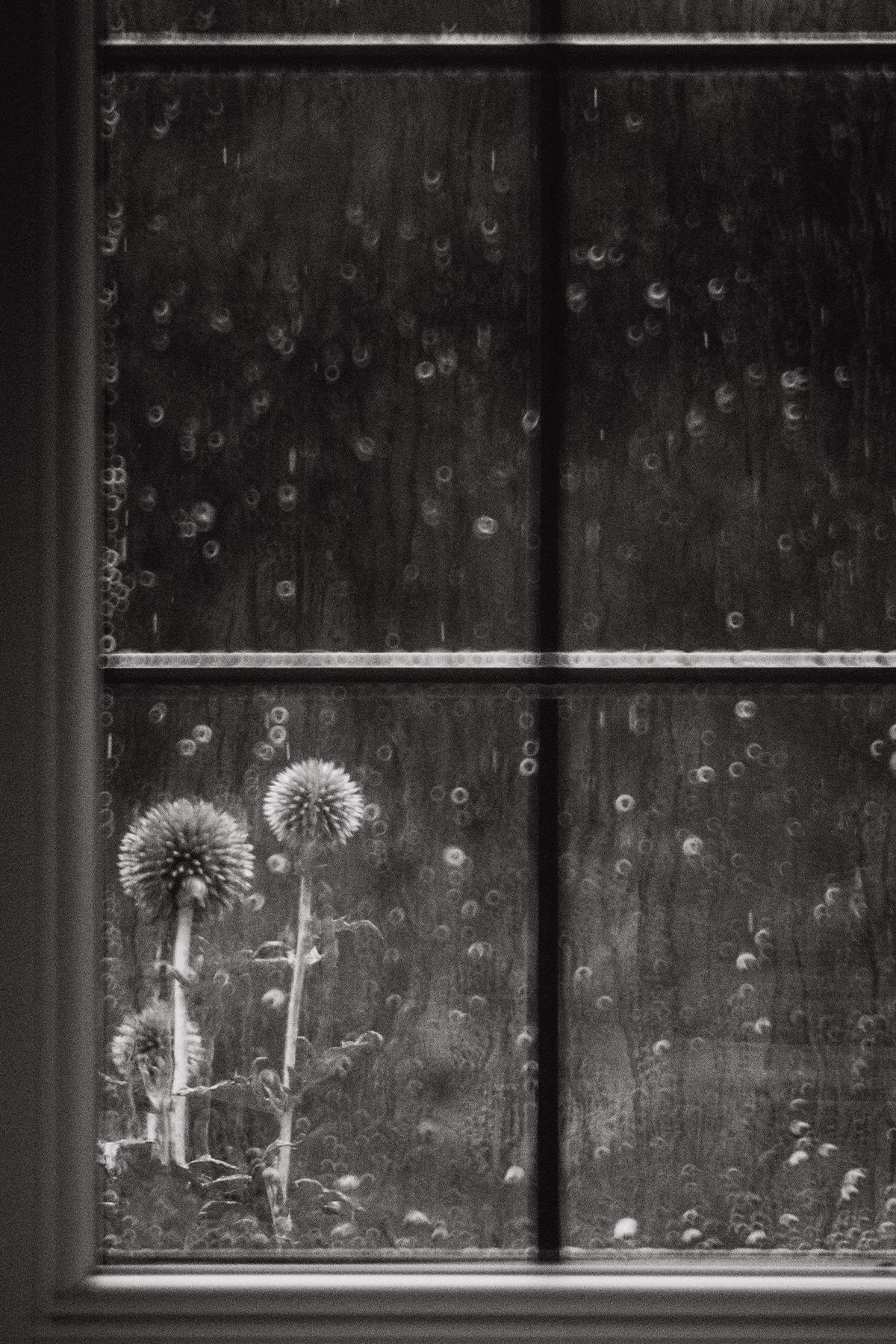
Nikon Z6 ~ ISO 25600 for 1/800s
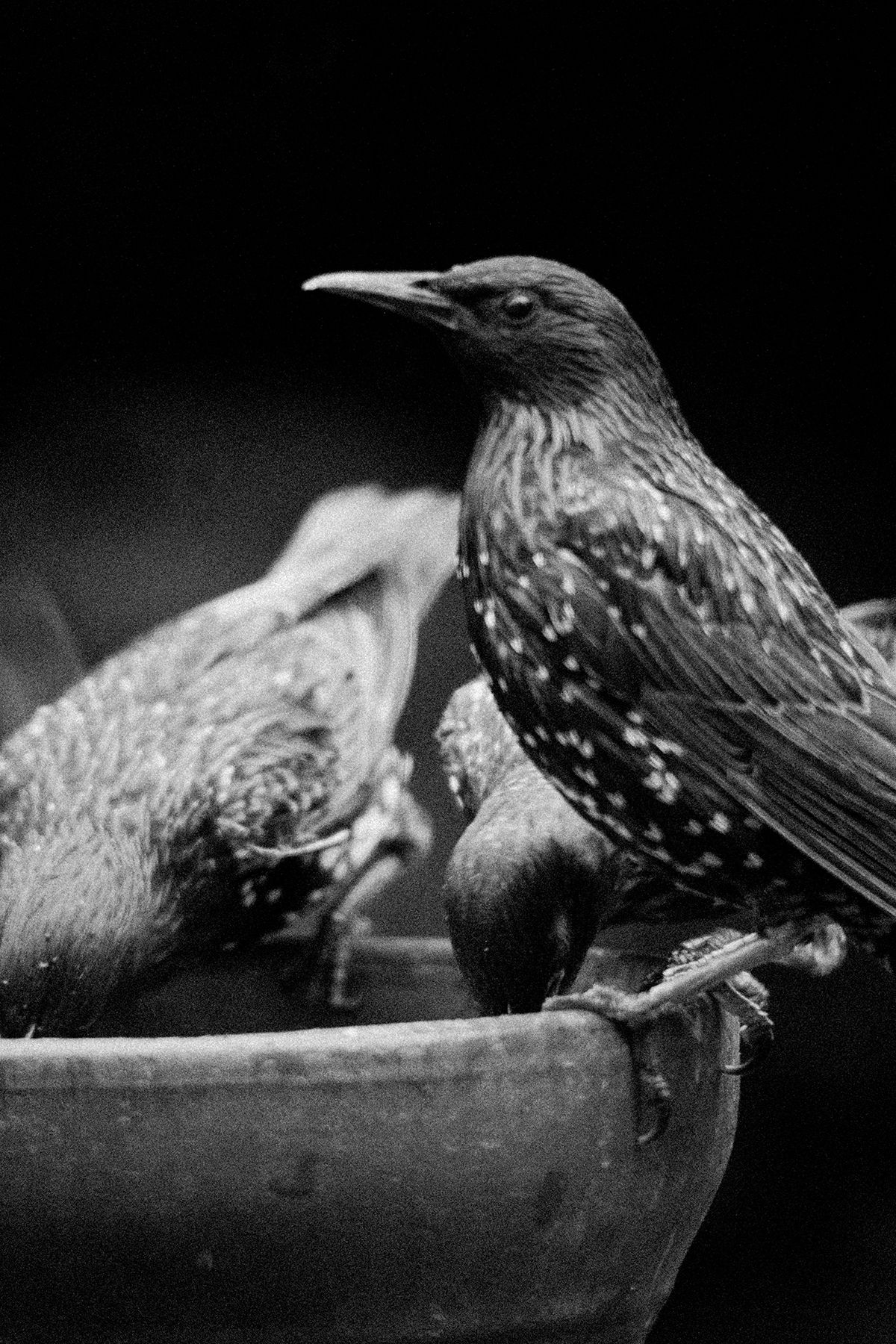
Nikon Z6 ~ ISO 25600 for 1/1600s
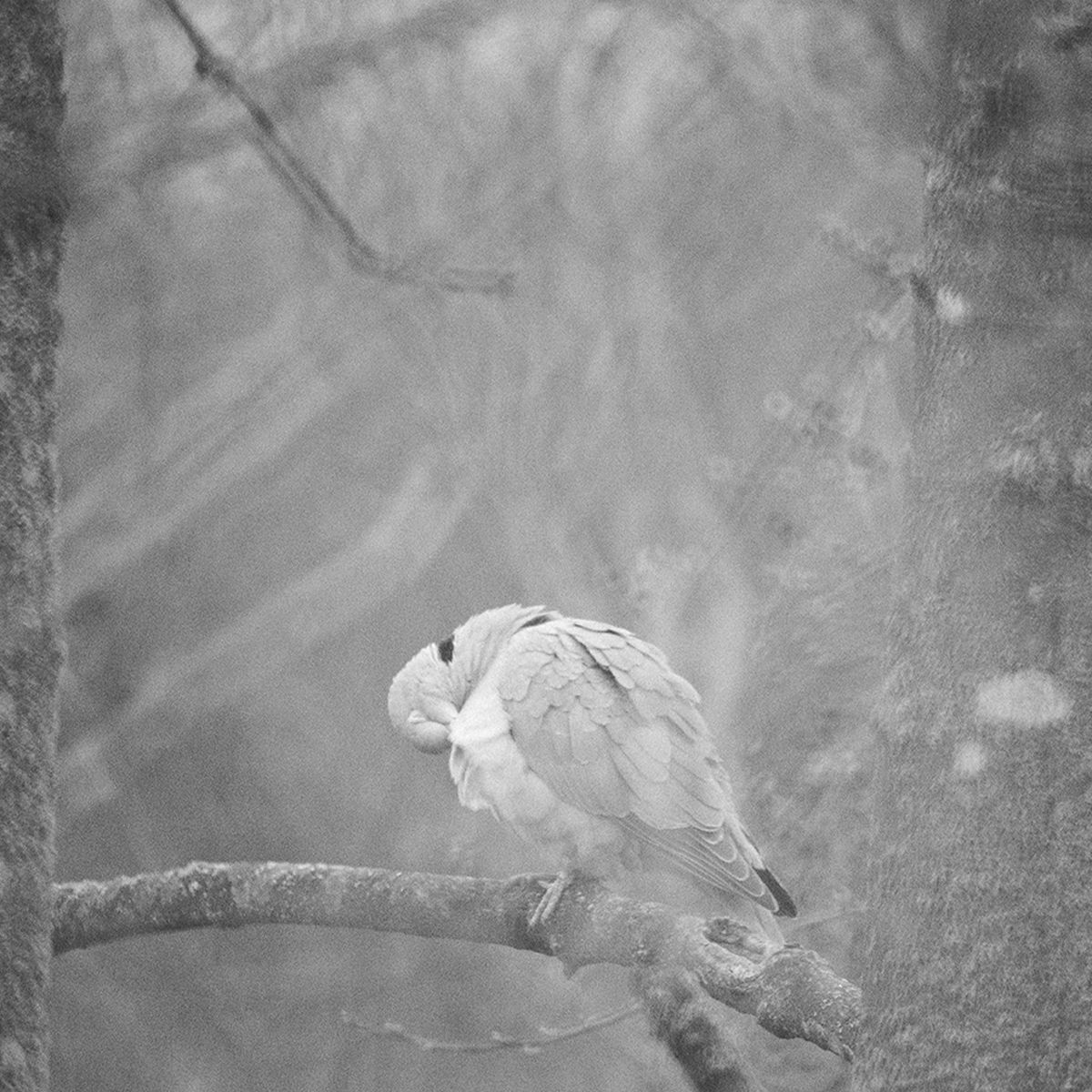
Nikon Z6 ~ ISO 6400 for 1/1000s
In conclusion, this is not the lens I would reach for when I'm looking for sharpness and speed, but when I want to slow down and create something ethereal, flowing and full of character, this is the lens I'm going to put in my camera bag. The photographs have a touch of Paolo Roversi about them, which I absolutely love, and I don't have to use editing tricks to achieve that kind of look — the lens does it all naturally.
Behind the Lens
Slow Shutter - Wild Land
If you like photography, don't forget to check back on the 8th of March, June, September, and December for my quarterly photo newsletter all about the gear I use.
Coming on 8th December ~ I am Nikon, even at my worst I am still the best