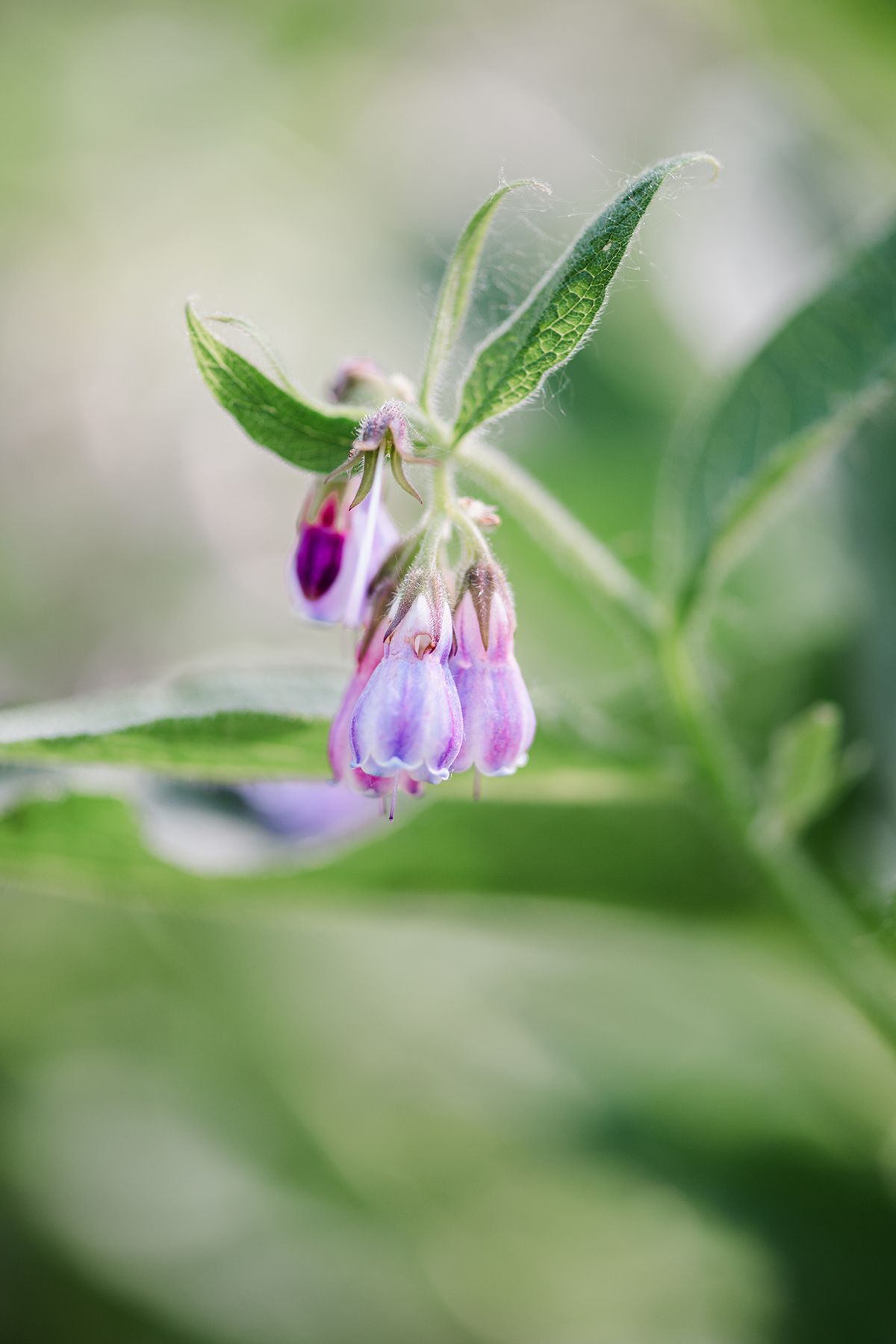
Russian Comfrey - Frowning Sparrow Woods
Russian Comfrey, Wild Thistles, and Ferns
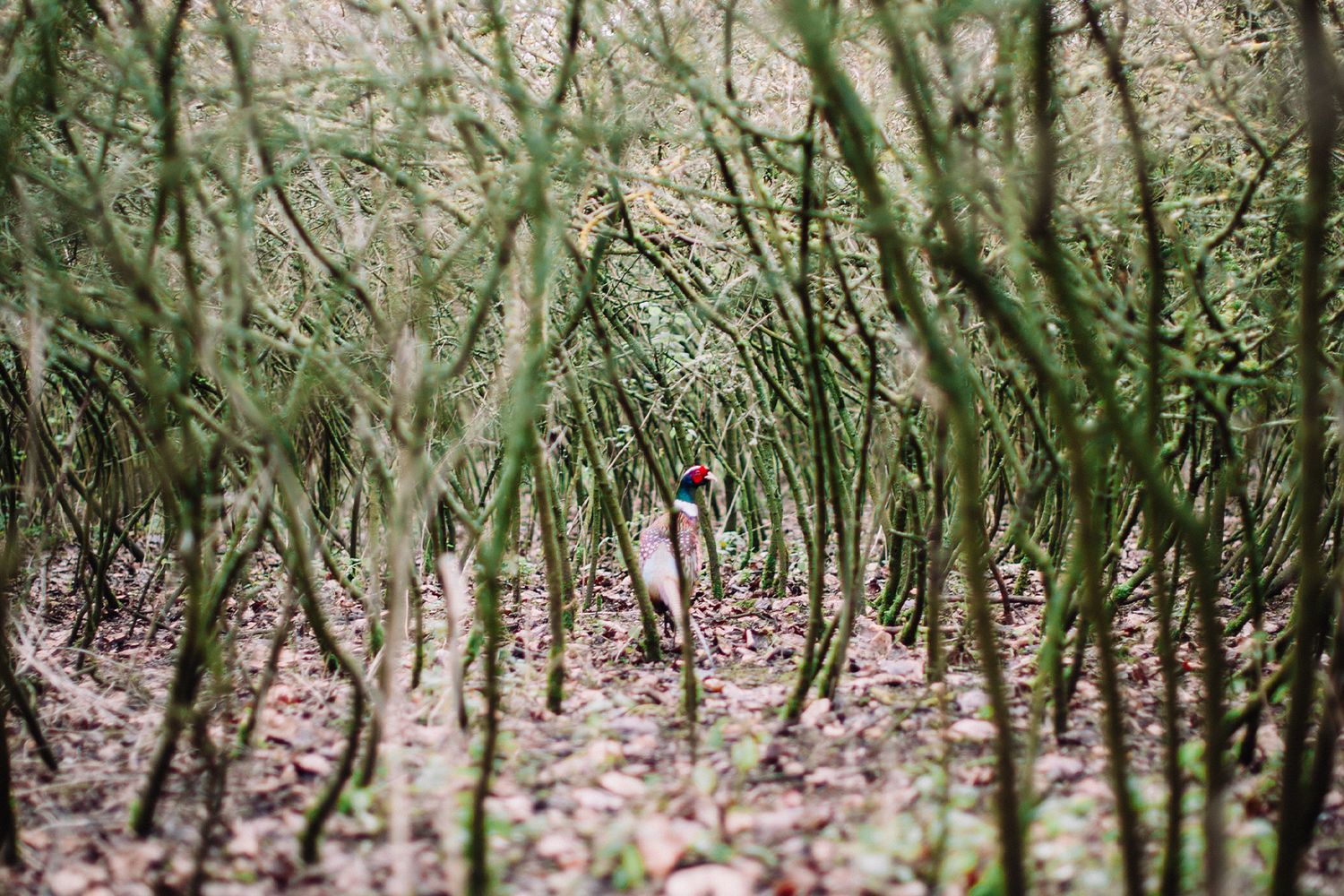
Frowning Sparrow feels especially beautiful in May. In the early mornings, before the day has fully woken, the sun begins to filter through the willows, casting shifting patterns of light across the woodland floor. It is one of my favourite times to walk through the woods. Everything feels fresh, full of possibility, and alive with movement.
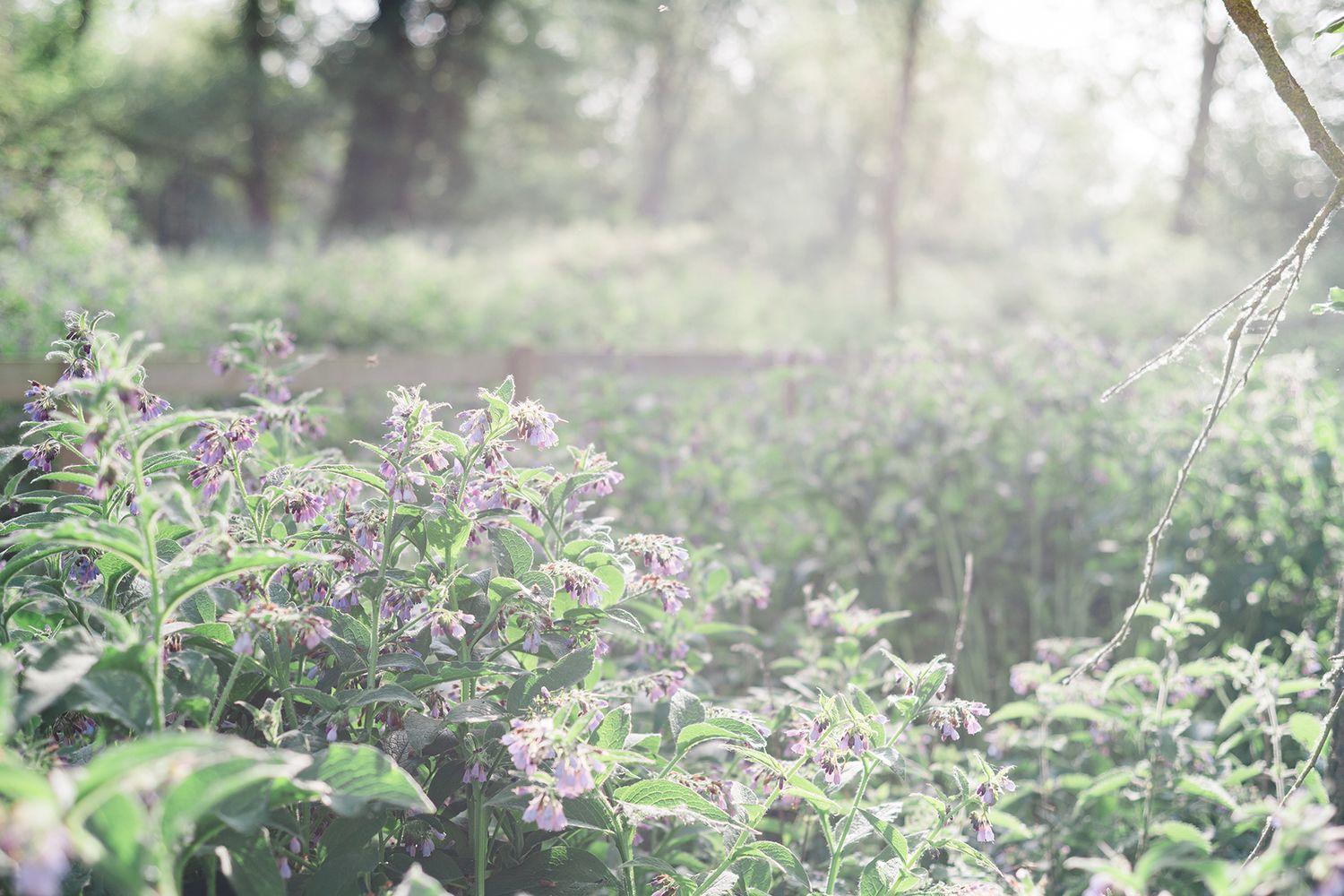
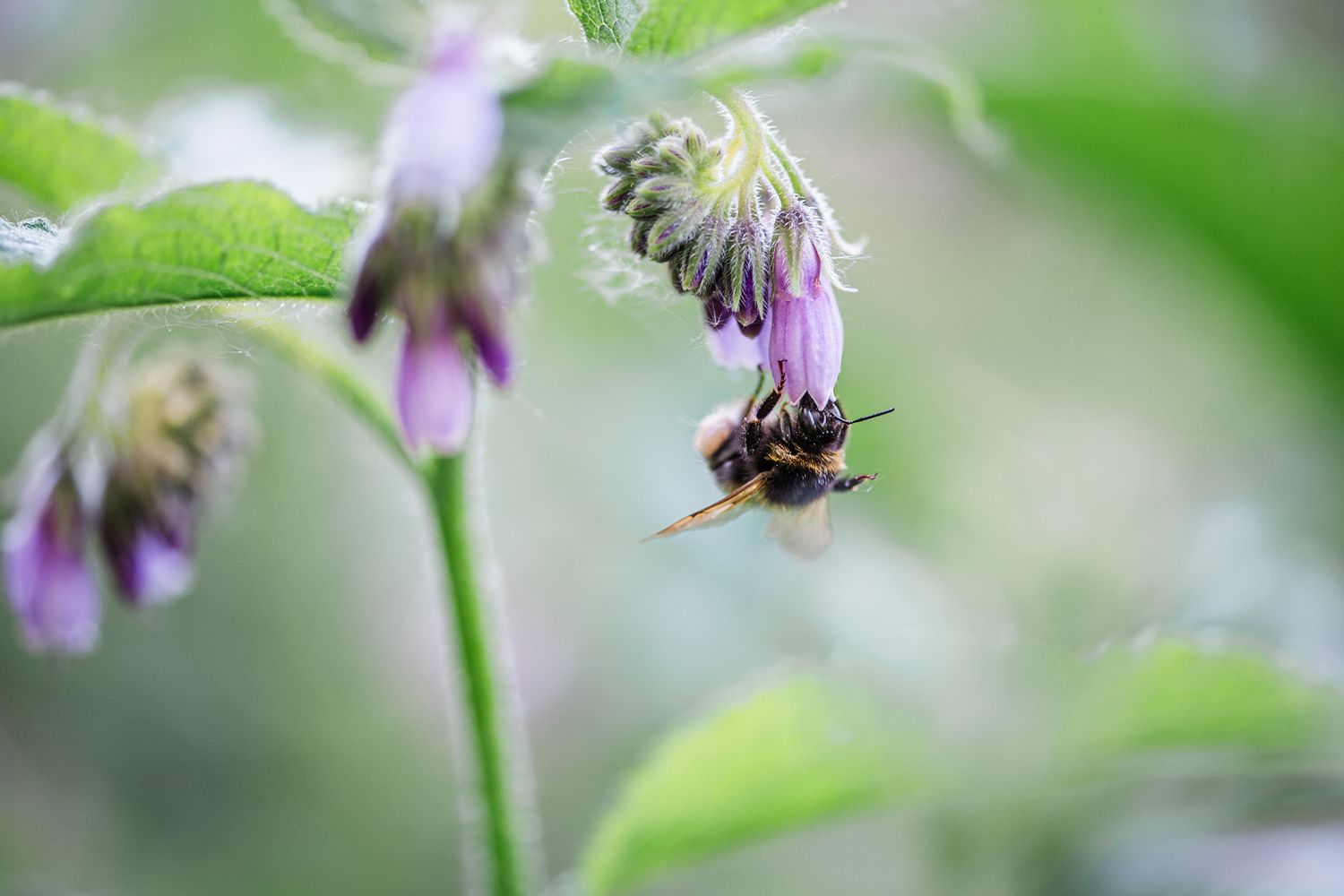
One of the most noticeable changes this month is the Russian comfrey. The plants are thriving in the woodland openings, their flowers drawing in an extraordinary number of native bumblebees. On warm days, the air seems to hum with them. There must be hundreds moving from flower to flower, each one gathering nectar and pollen while helping to sustain the growing ecosystem around them.
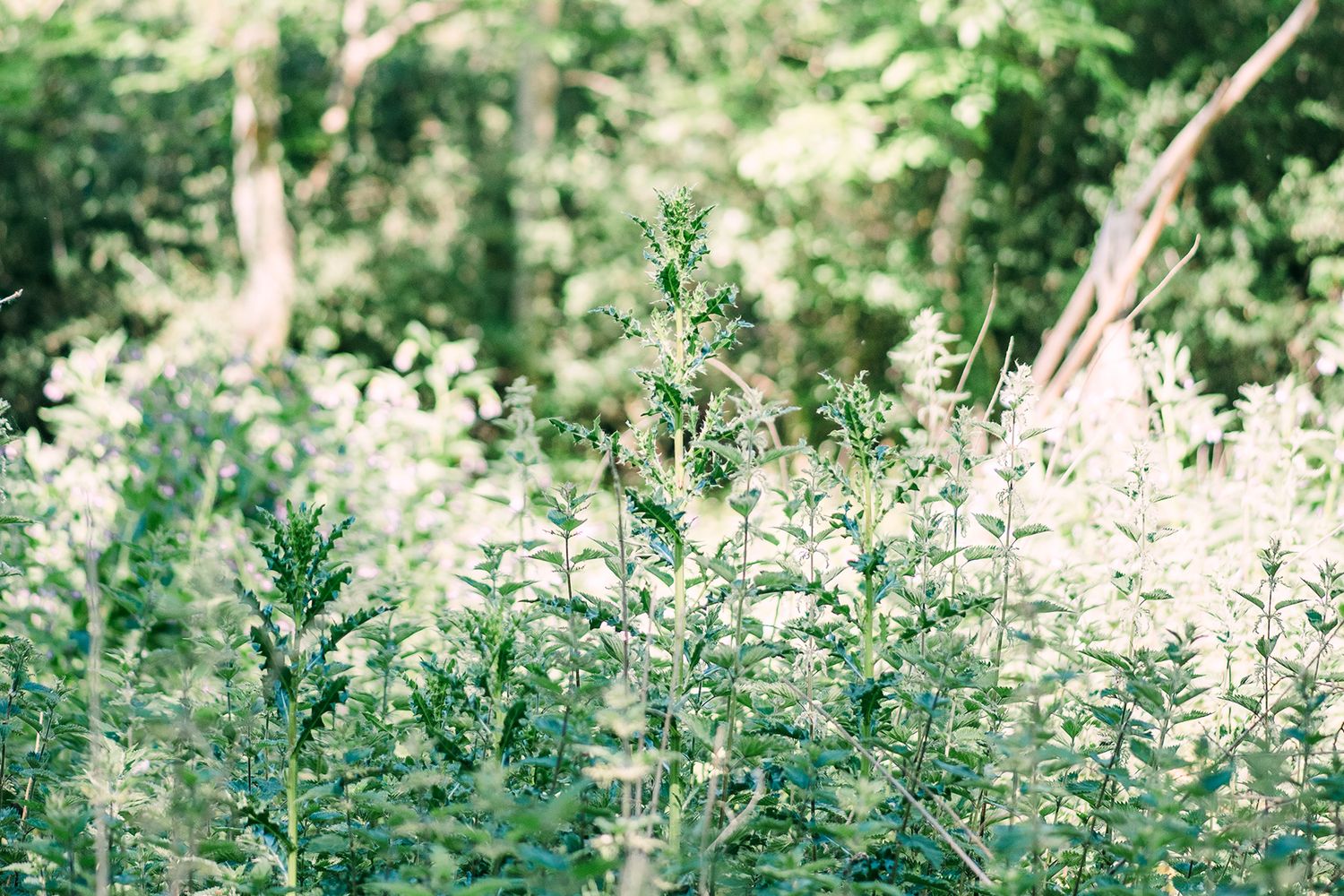
Alongside the comfrey, the thistles are beginning to establish themselves. They may not always be welcomed in conventional gardens, but they are incredibly valuable plants for wildlife. Garlic mustard is also doing well this year, while patches of red dead-nettle continue to spread, adding another layer of colour and habitat as the season progresses.
For the first time, it feels as though the woodland is beginning to develop a character of its own. Biodiversity is increasing, and the gradual changes that once felt almost invisible are becoming easier to see. There is still a long way to go, but the site finally feels like it is evolving rather than simply recovering.
This year, I plan to plant native ferns along the deer browse line. My hope is that they will help create a more resilient understory, one capable of withstanding grazing pressure while gradually providing more structure and shelter. Woodland restoration often requires patience, but each layer that establishes itself brings the ecosystem a little closer to being self-sustaining.
Starling Chaos in the Garden
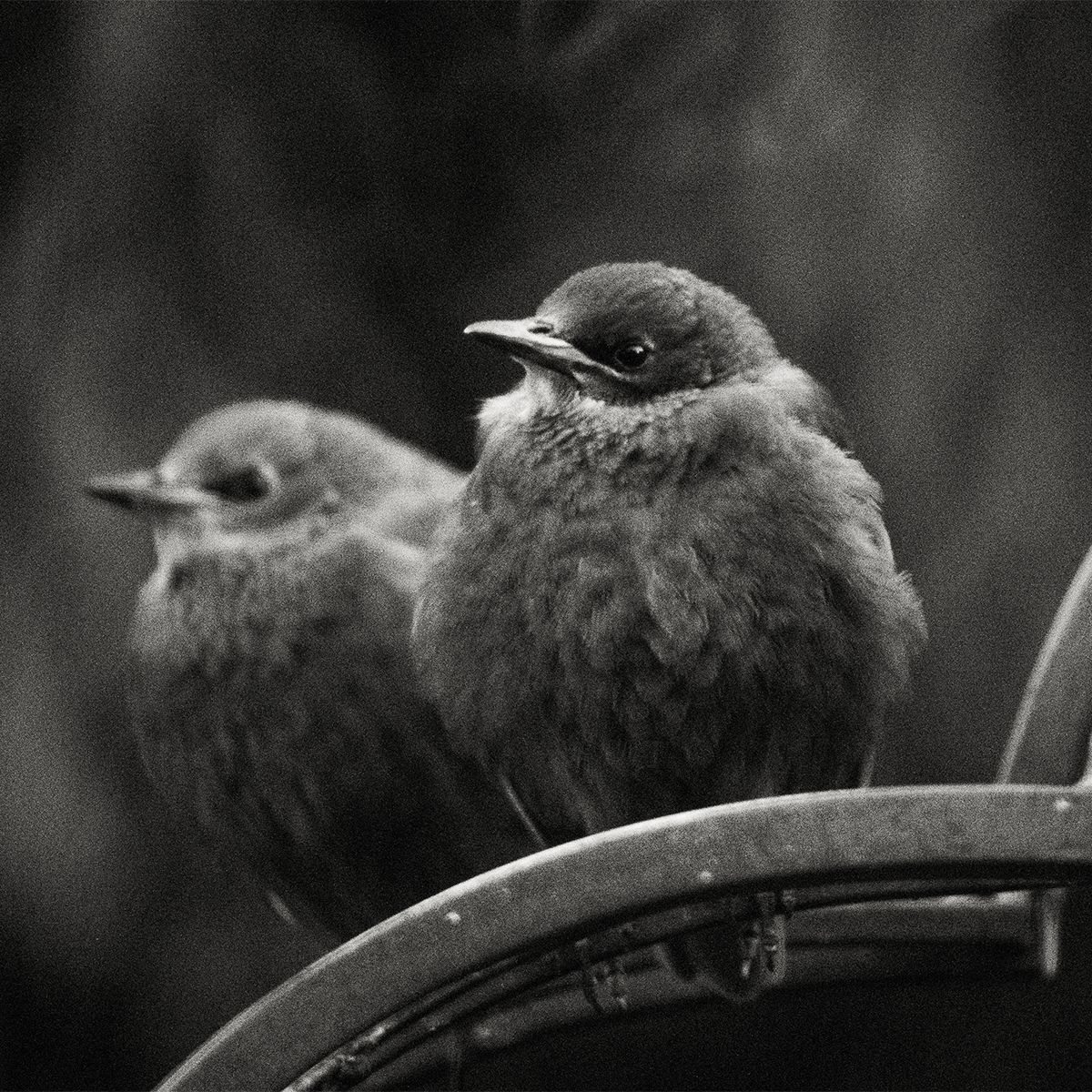
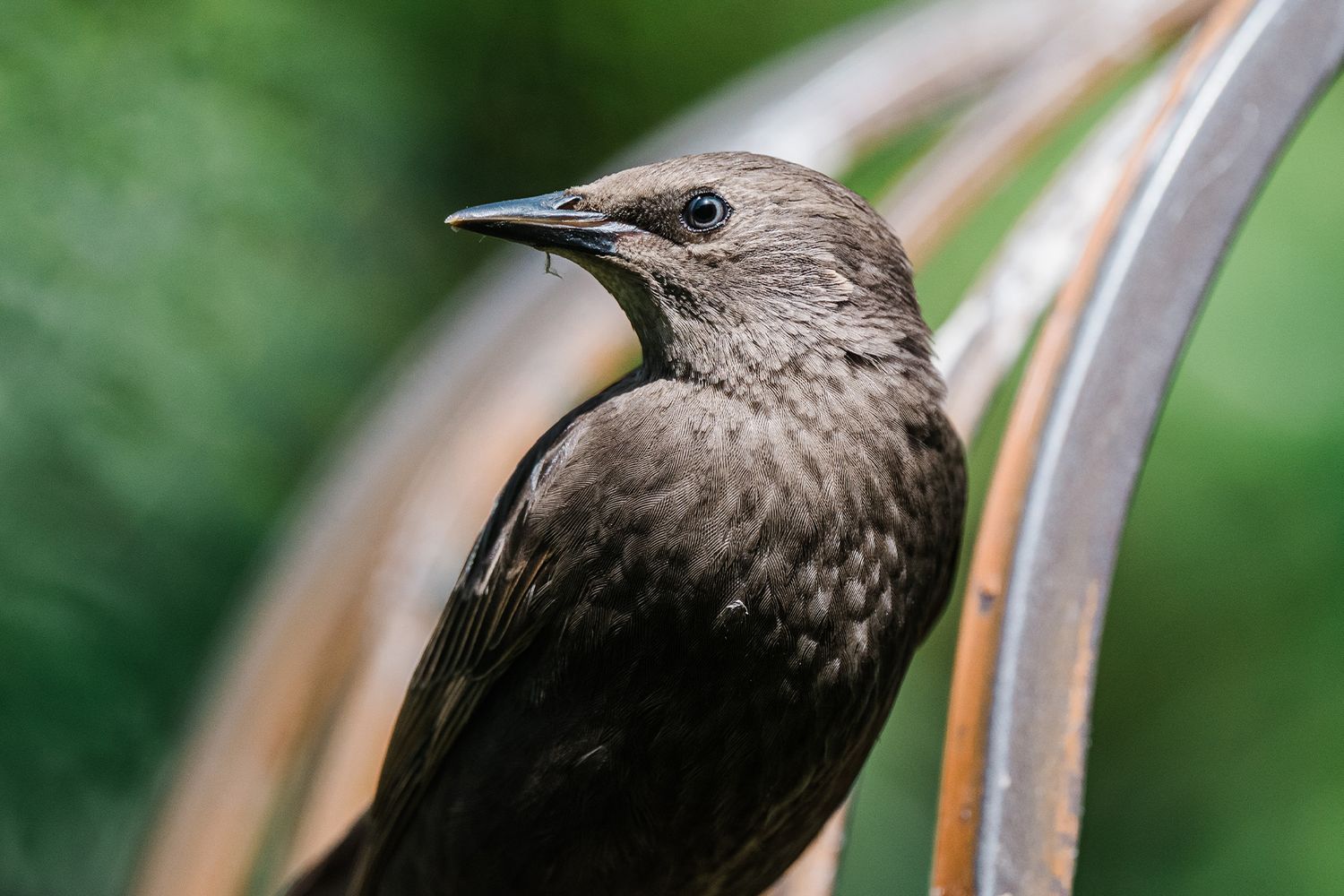
These photographs capture a short but intense chapter in the lives of a group of starlings, taken over the course of late spring.
The first image shows a recently fledged youngster, still carrying traces of its nestling fluff. At this stage, the bird has left the nest but is still entirely dependent on its parents. It spends much of its time learning to balance, to fly short distances, and to recognise where food might appear.
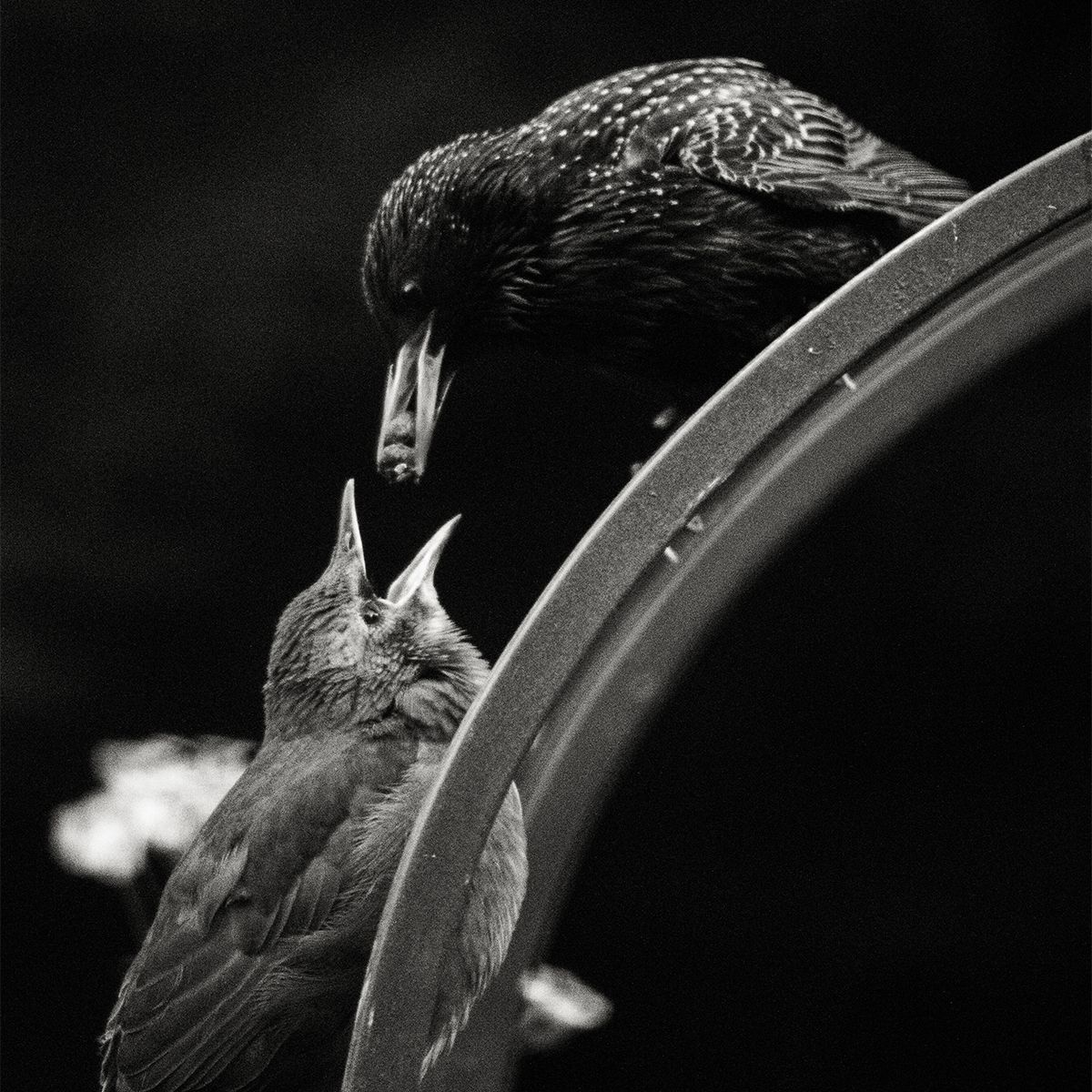
The second photograph shows one of the most persistent behaviours of early fledging: feeding time. The young starling follows its parent closely, calling constantly and fluttering its wings until food is passed from adult to chick. It is a demanding stage, with the fledglings rarely still and the adults constantly under pressure to keep up.
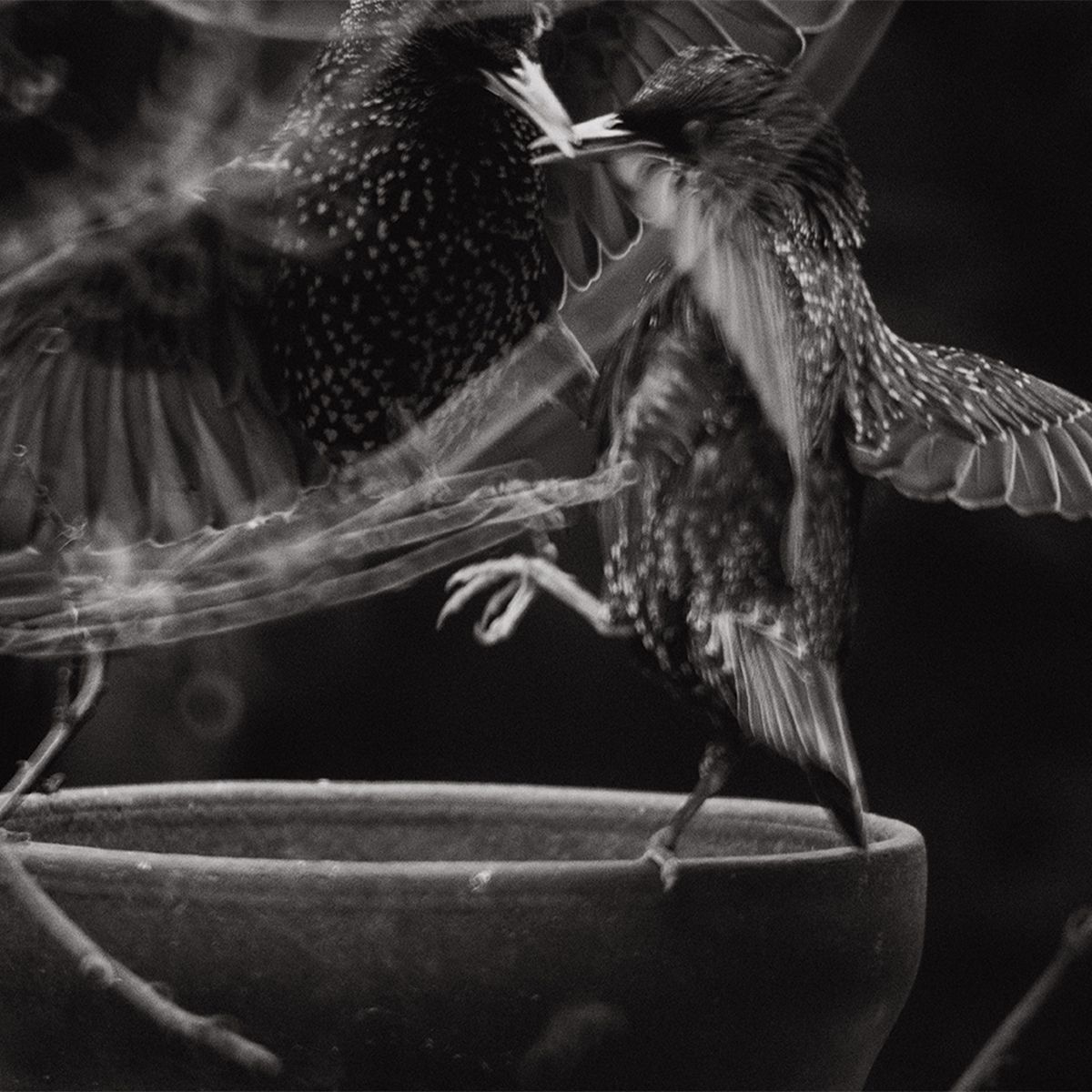
The third image shows that pressure playing out at the adult level. Even the parents are not exempt from competition. While feeding their young, adults can sometimes be seen squabbling over food themselves, each trying to secure resources in a season where demand is high and time is short. What looks like chaos at ground level is often a tightly timed scramble to meet the needs of growing chicks.
Taken together, these stages show just how intense the breeding season can be for starlings. Everything is driven by hunger, speed, and constant movement.
And then comes the present moment.
The fourth image brings us to where they are now — the “teenage” stage. No longer fluffy fledglings, but not yet fully settled adults, they now move through the garden in noisy, restless groups. They chase each other from feeders, argue over perches, and test boundaries constantly. The urgency of feeding has been replaced with something else entirely: energy without clear direction, and a strong sense of social chaos.
Watching them move through these stages so quickly is a reminder of how fast nature shifts. Within a matter of weeks, dependence becomes independence, and then something far less orderly.
From hungry fledglings to quarrelling adults to unruly juveniles — the story of starlings is never still for long.
Losing My Dad
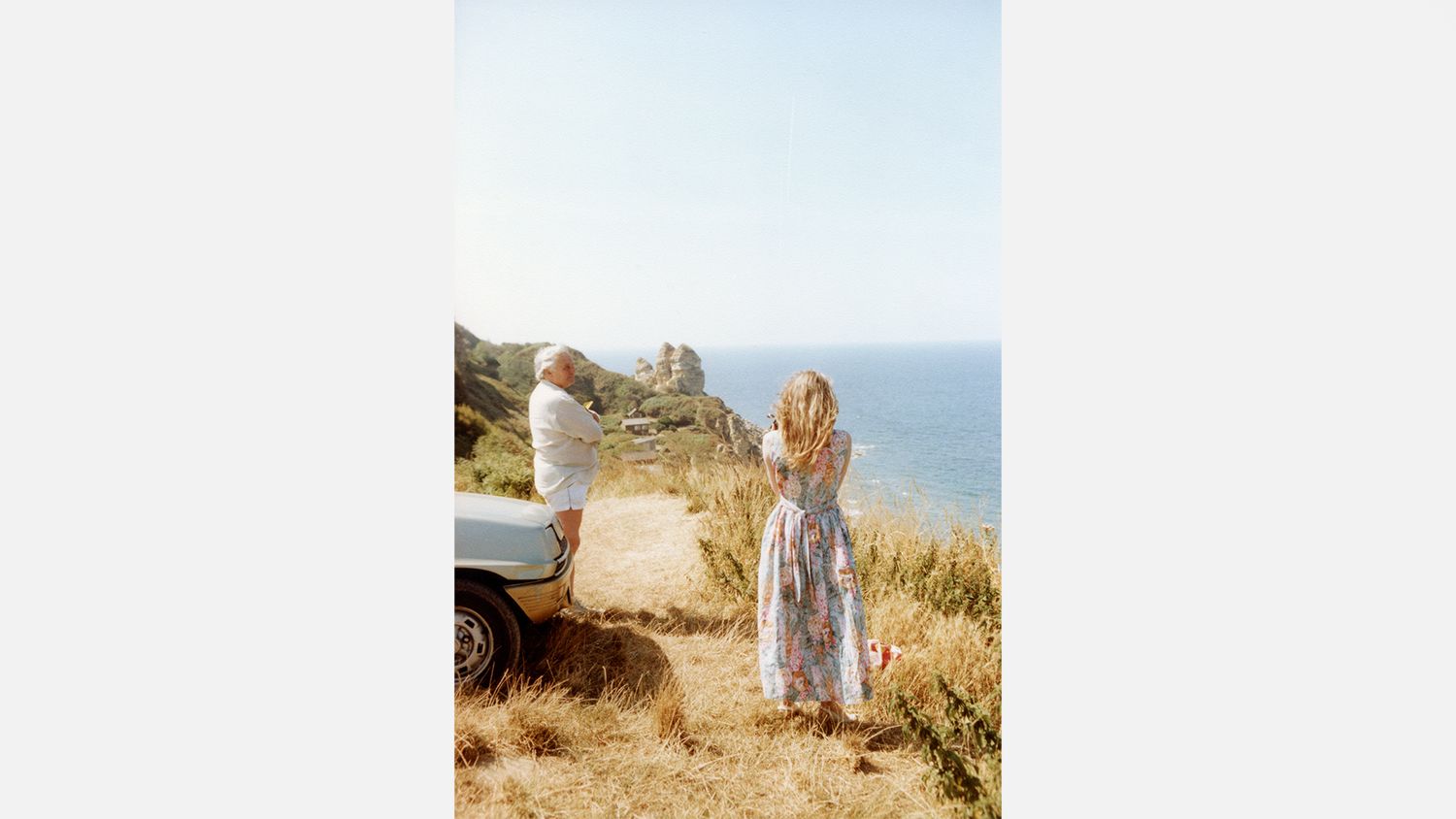
For those who follow me on social media, you’ll know I lost my dad recently after his short illness. It is a strange thing, navigating the quiet space that opens up after a life ends. Since then, I’ve found myself instinctively drawn to the tangible things he left behind—specifically, his F-301 film camera and a collection of beautiful vintage lenses.
Lately, I’ve started using those lenses on my digital cameras. Slowly, I am getting to know their quirks and characters, experimenting with different combinations, and finding immense joy in the results. There is a particular texture to the images that feels incredibly grounding right now.
Among his things, I also came across some rolls of expired film. To me, they didn't feel like something out of date; they felt like an invitation to experiment. That discovery led me on a search to find a film camera from the 1970s, a Nikkormat FT2, the exact model my dad once used to document his own life. I bought it because I wanted to step into a familiar process from a different point in his timeline. I wanted to share an experience with him across time, and get as close as I could to how he might have felt when photographing during what was a deeply happy era for our family. Holding that camera, adjusting the dials, and waiting for the film to advance feels like a quiet continuation of a language we both shared.
My love of photography began with him. Using his tools, feels like the truest way of honouring his memory, by proving that I still love this craft just as much today as I did when he first introduced me to it.
Behind the Lens
Slow Shutter - Wild Land
If you like photography, don't forget to check back on the 8th of June, September, and December for my quarterly photo newsletter all about the gear I use.
On 8th June, I'll be talking about the lenses I inherited from my dad.