Living on the floodplain, with the river close by and the risk of flooding ever-present, I’ve come to understand the quiet importance of moss in Frowning Sparrow Woods. Moss is nature’s sponge. Some species, like Sphagnum, can hold 16–26 times their dry weight, while common carpet mosses absorb around 20 times their weight. On tree trunks and branches, mosses and lichens intercept rainfall before it reaches the ground, breaking its force and slowing its journey downward.
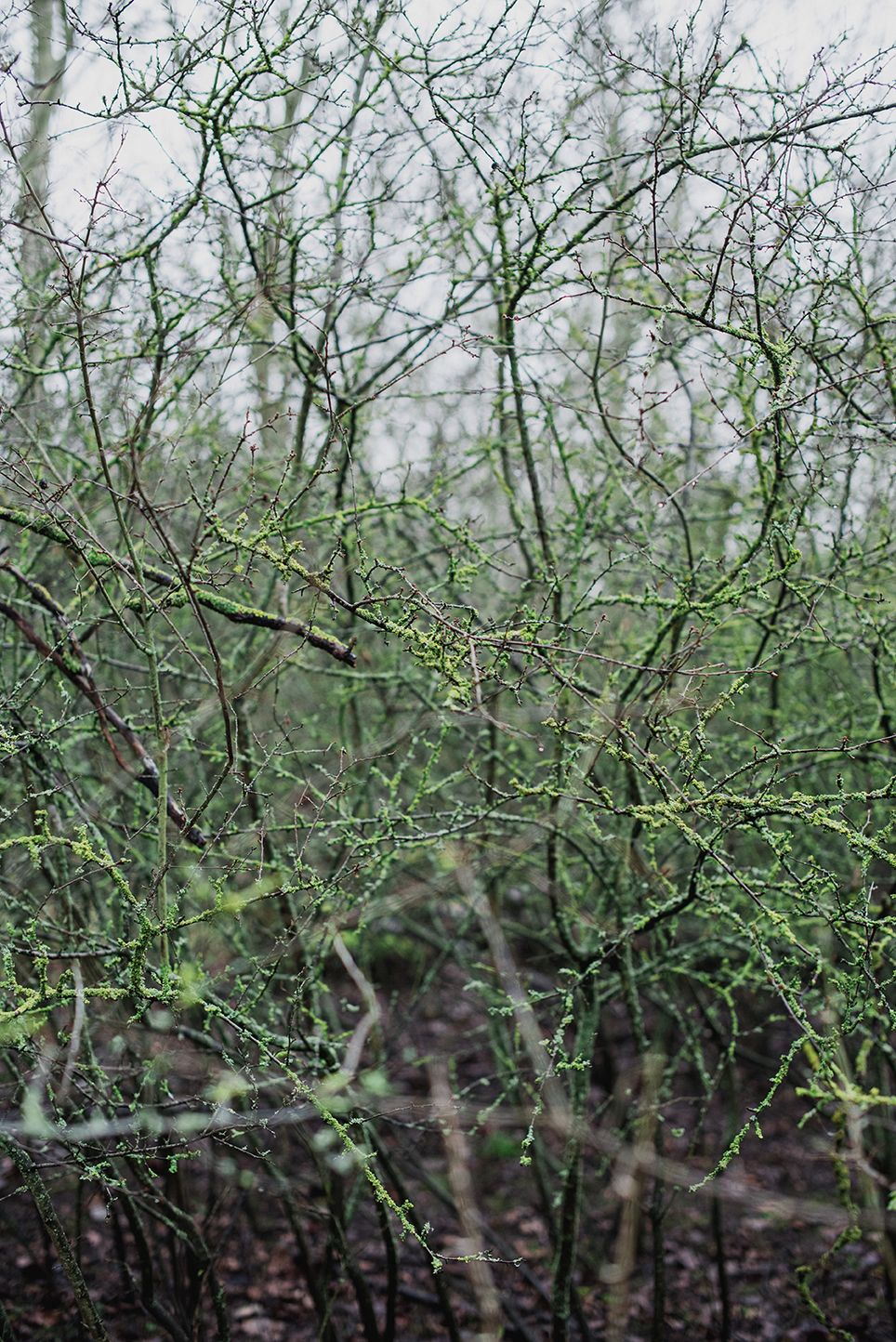
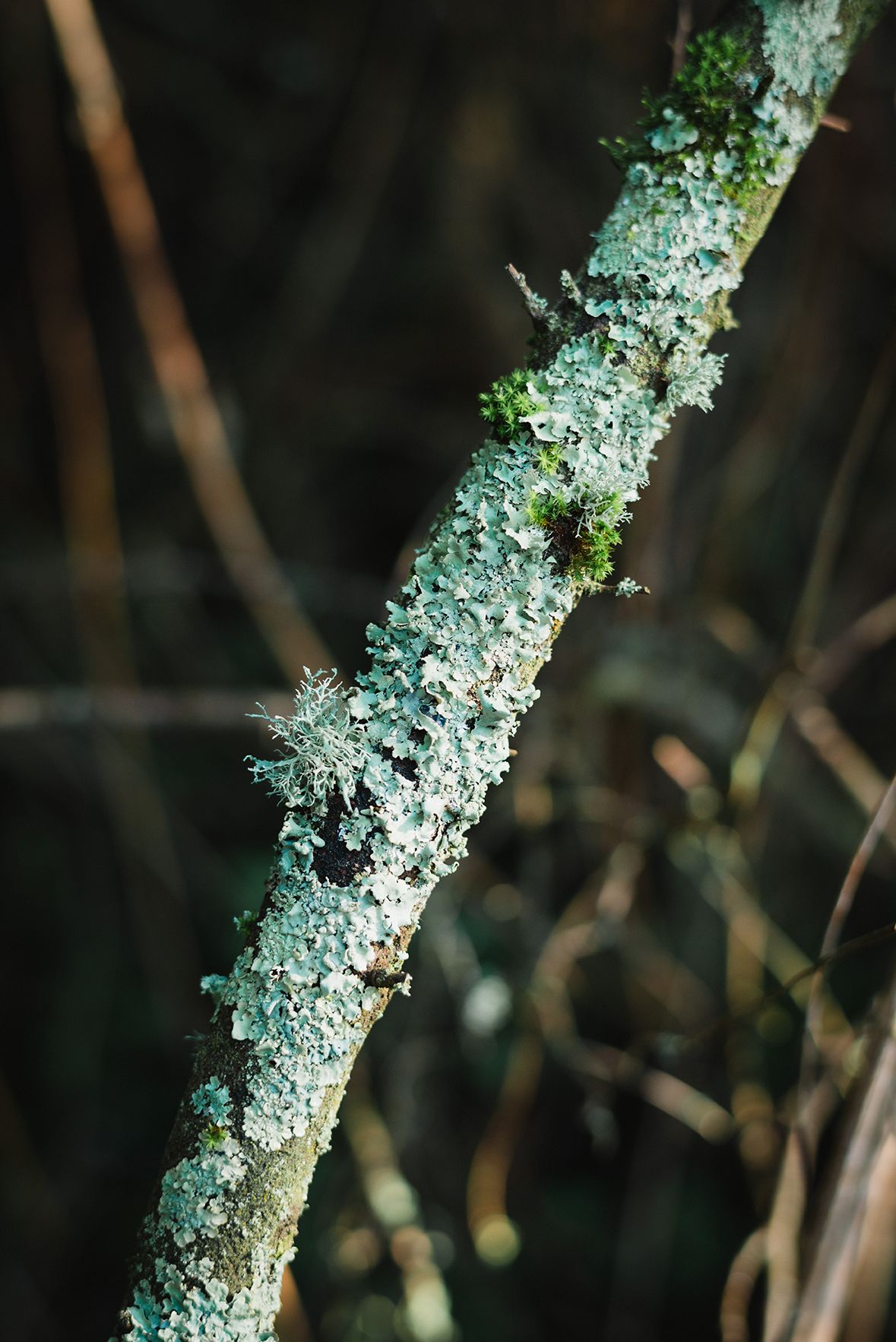
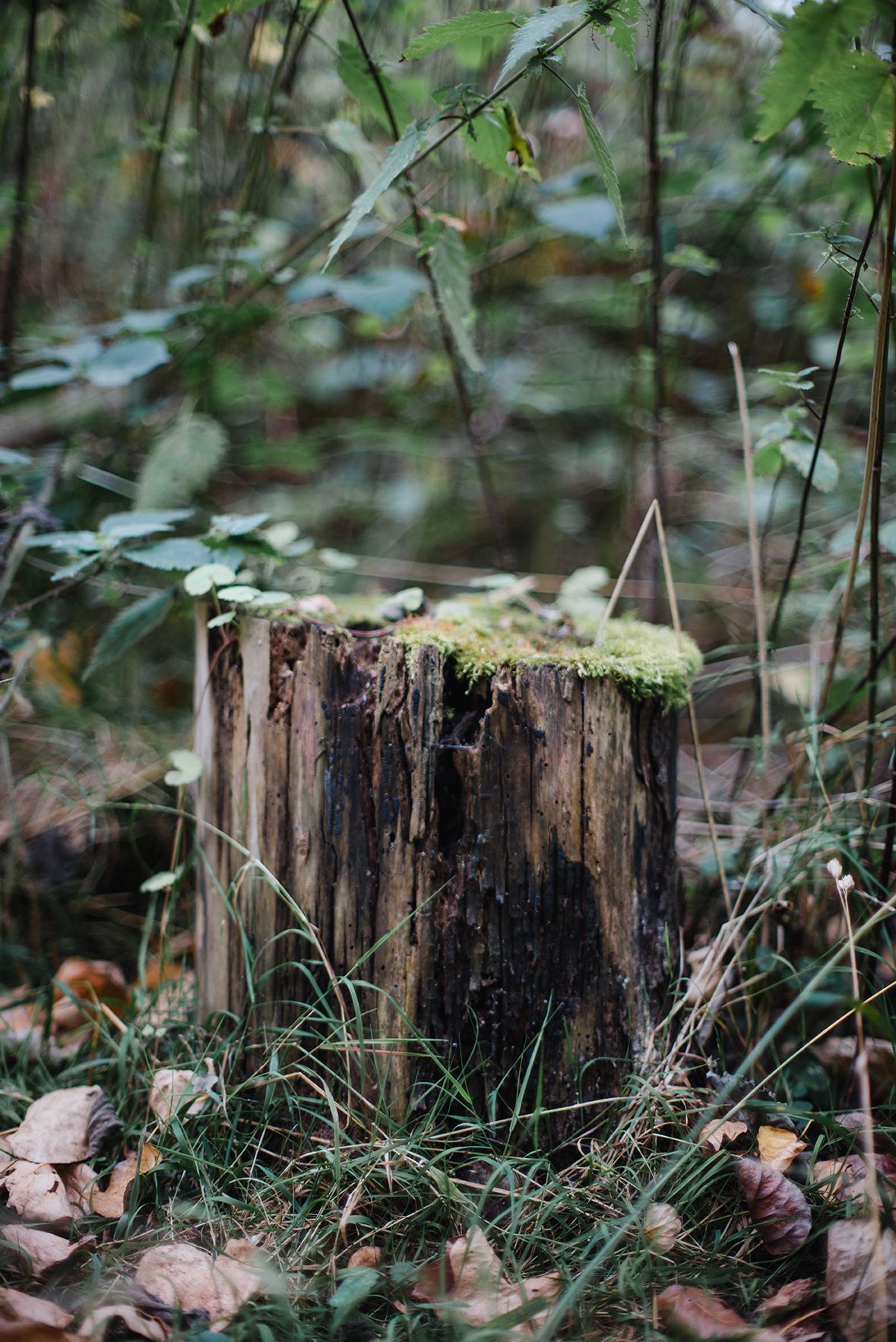
Across the forest floor, fallen logs, and deadwood, moss forms a dense living layer that slows water moving across the land. This delay between rainfall and water reaching the river helps reduce peak flooding, stabilises soil, prevents erosion, and filters sediment and pollutants. Moss doesn’t work alone, it’s part of a layered floodplain system alongside leaf litter, fallen wood, healthy soil, and vegetation. It is one tool among many, but an often overlooked one.
With wet weather lingering and humidity hovering around 95%, the mosses and lichens have flourished. Tree trunks, branches, and the forest floor are wrapped in green, giving the woods the feel of a small temperate rainforest.
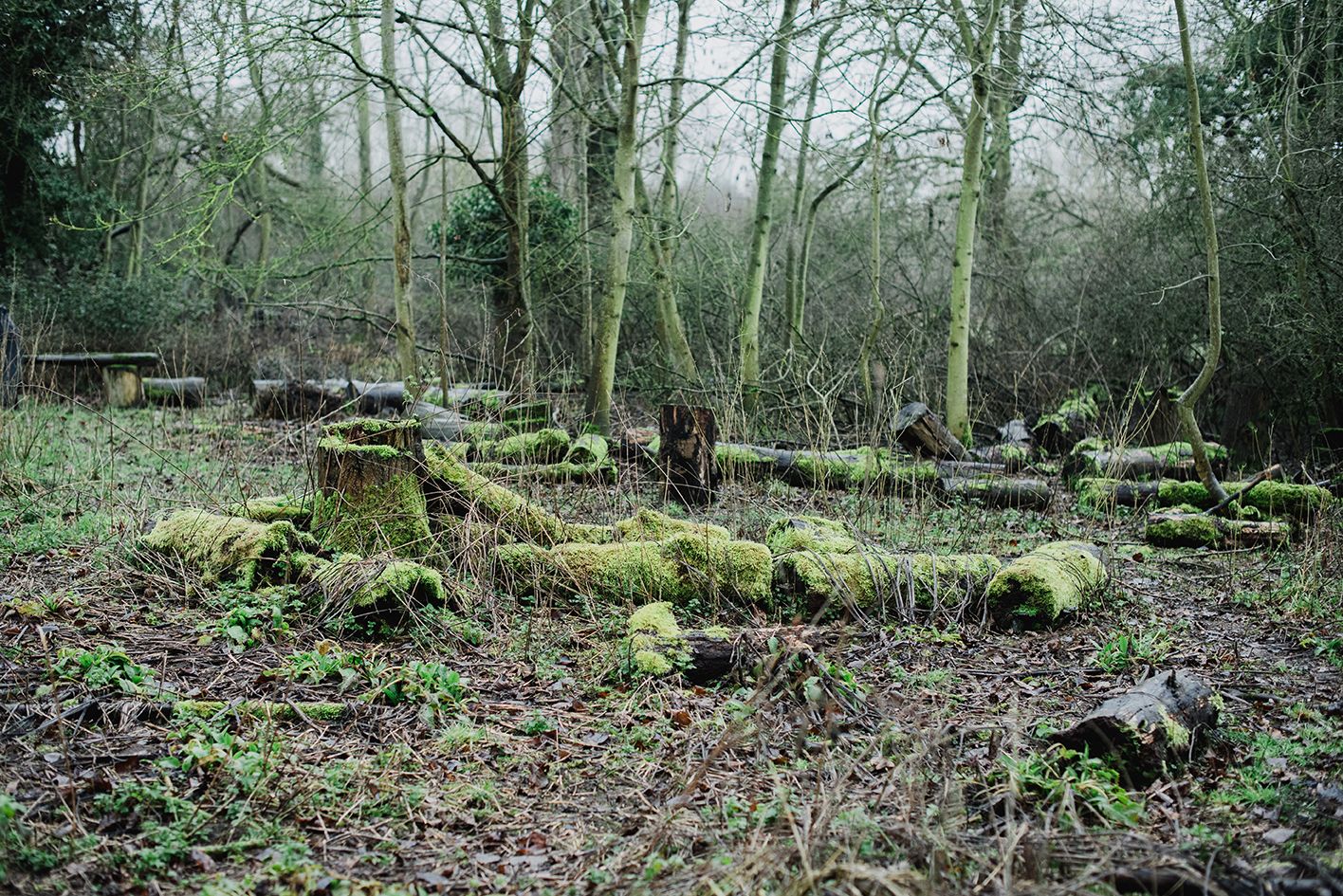
Muntjac movement breaks the moss layer, weakening this natural flood sponge
Even small patches of moss and woodland can help buffer water and spread it safely across a floodplain. Education is key. In a time when untidy, natural spaces are often frowned upon, we’ve forgotten how vital moss, leaf litter, and woodland structure are for slowing water and protecting homes downstream. Relearning this relationship with living landscapes is essential if we want floodplains to work as they were always meant to.