Visiting Green Island Gardens in Ardleigh, Essex
I recently had the pleasure of visiting Green Island Gardens in Ardleigh, and had a lovely time. Everyone who works there was so friendly, which made the visit particularly welcoming.
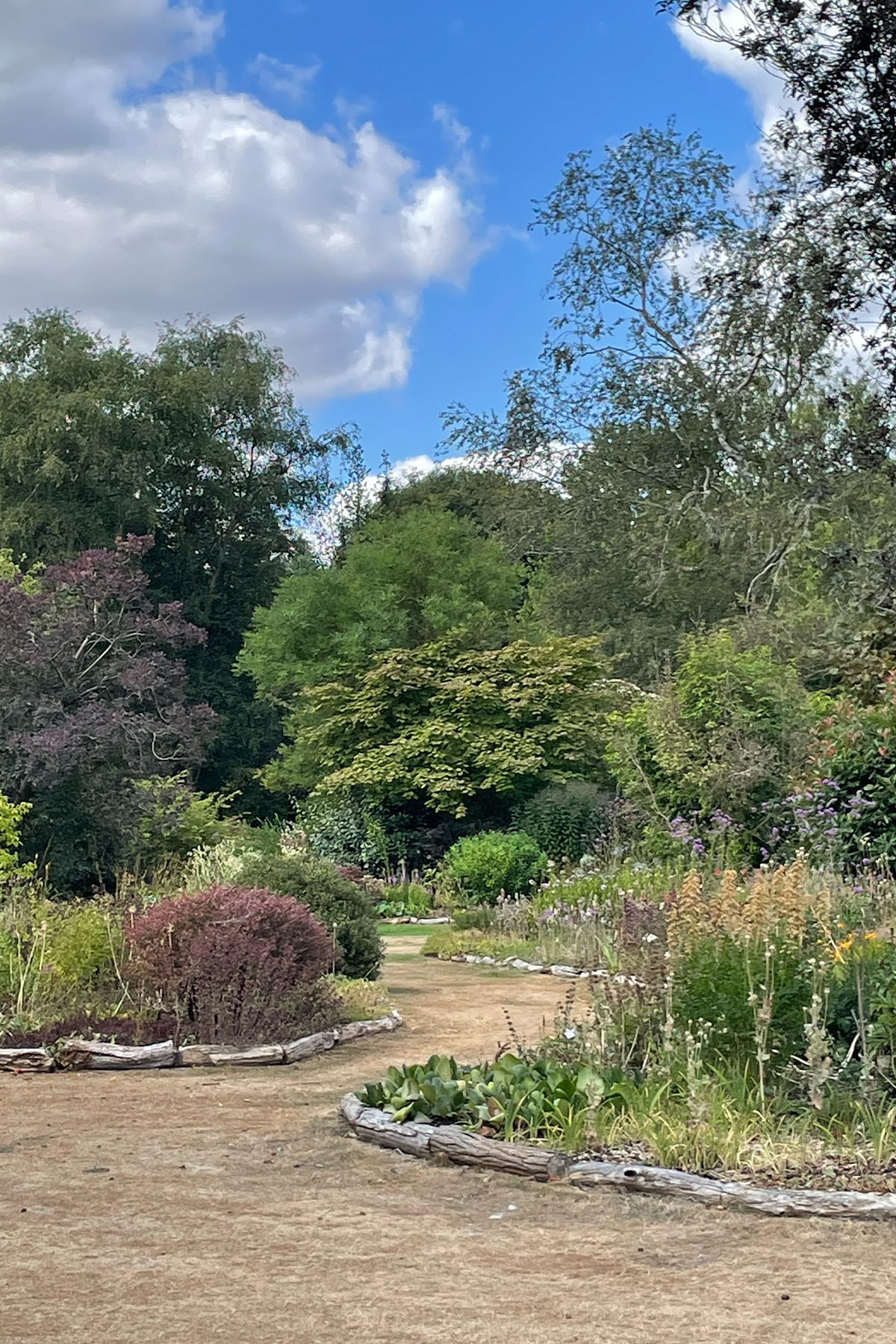
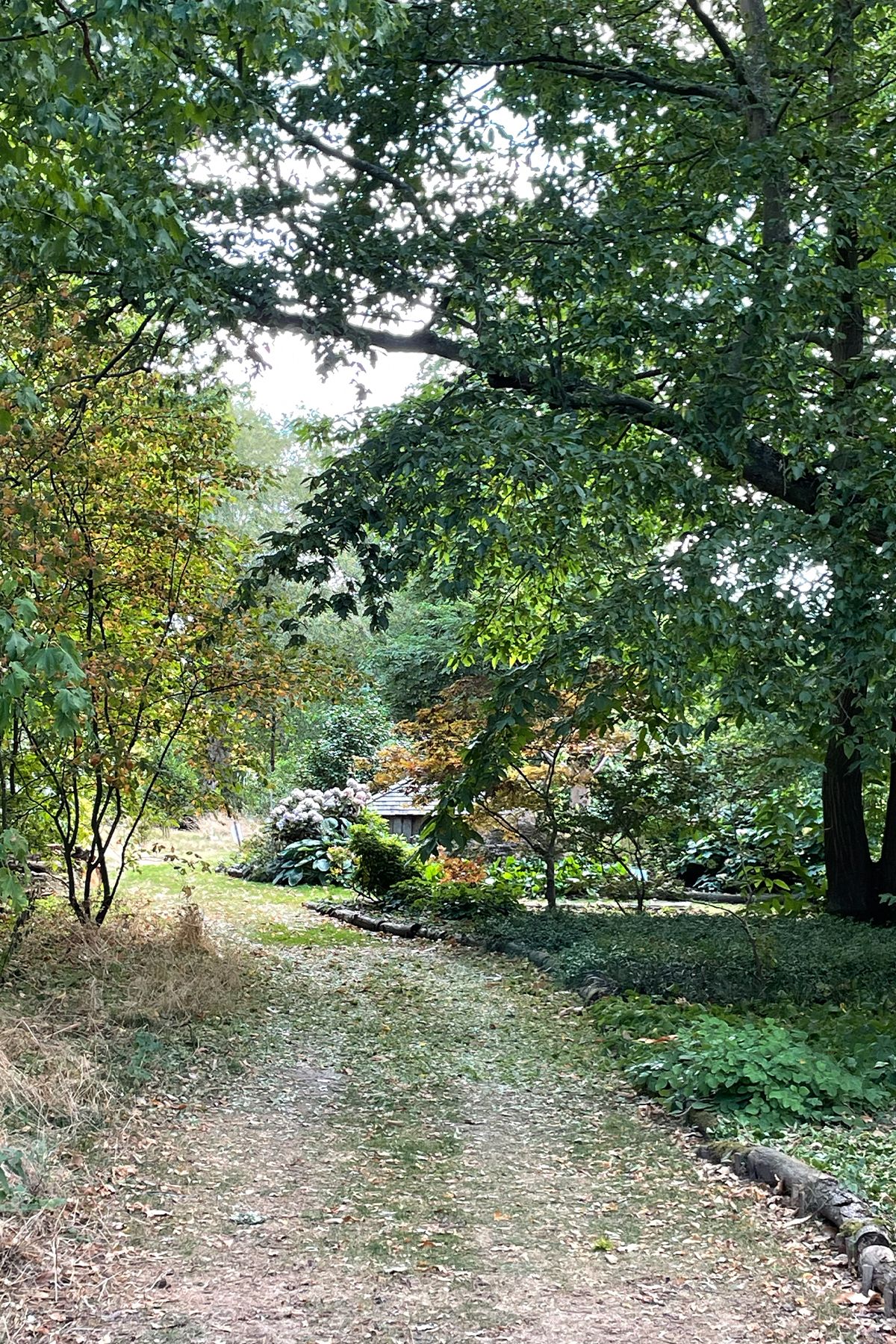
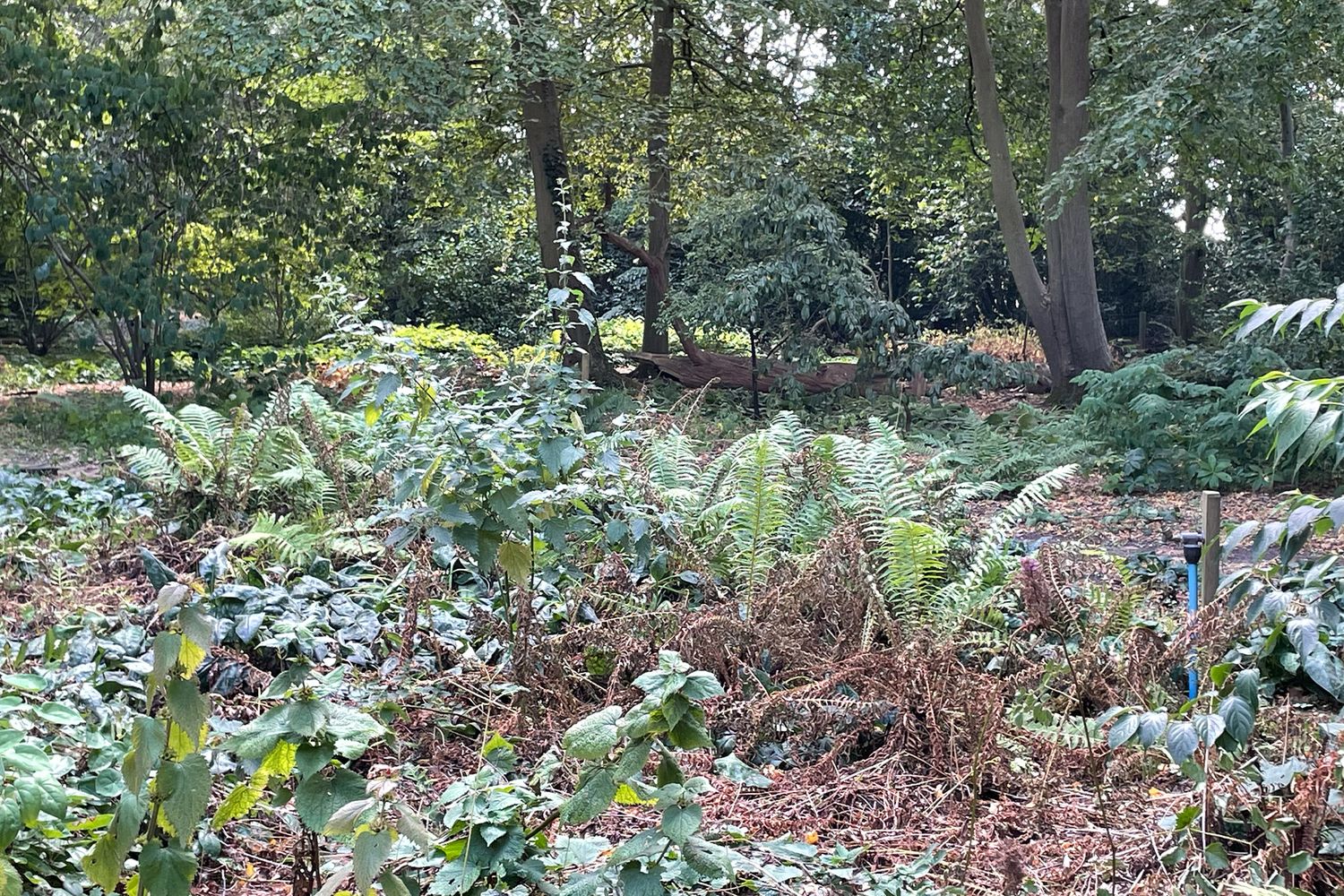
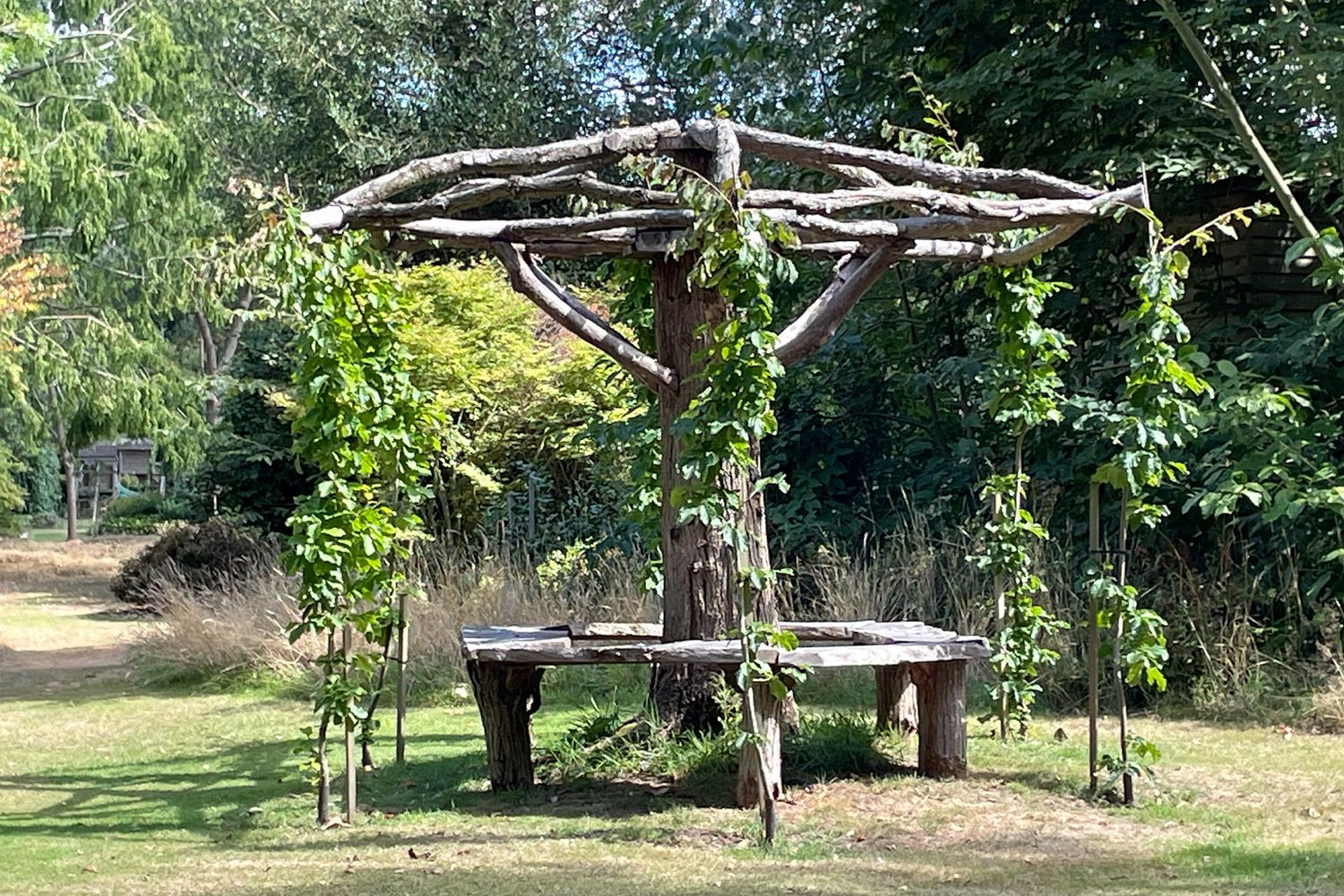
The gardens are made up of a beautifully naturalistic garden on one side and woodland on the other. The garden was full of plants that the butterflies and bees clearly loved, and I came away with some inspiration for my own garden. I can't wait to incorporate some of the ideas into the design, which I hope to start in October.
If you are in the area, I think Green Island Gardens is well worth a visit. We hope to go back in the spring next year, before the dry weather sets in again. This year's drought has certainly taken its toll on our gardens, our woodlands and the wildlife that depends on them, so it will be lovely to see everything refreshed by the spring.
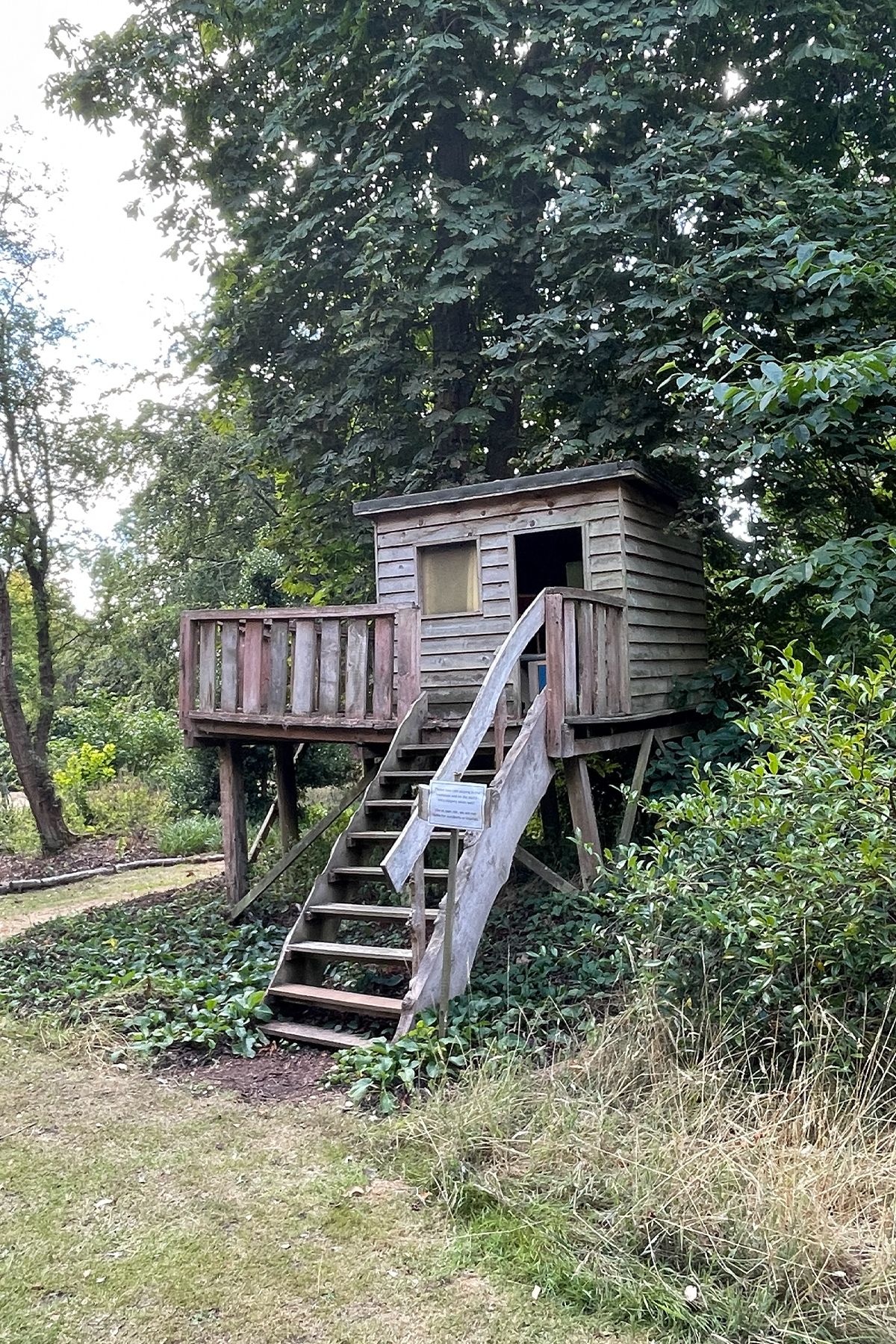
And maybe next time I'll remember to take my camera! Here a few iPhone pics from the day.
Saving the Ivy From Foraging Deer
This year has seen an explosion in deer numbers. I think I have observed four new babies in Frowning Sparrow Woods, which means four new mouths to feed when everything already looks so depleted.
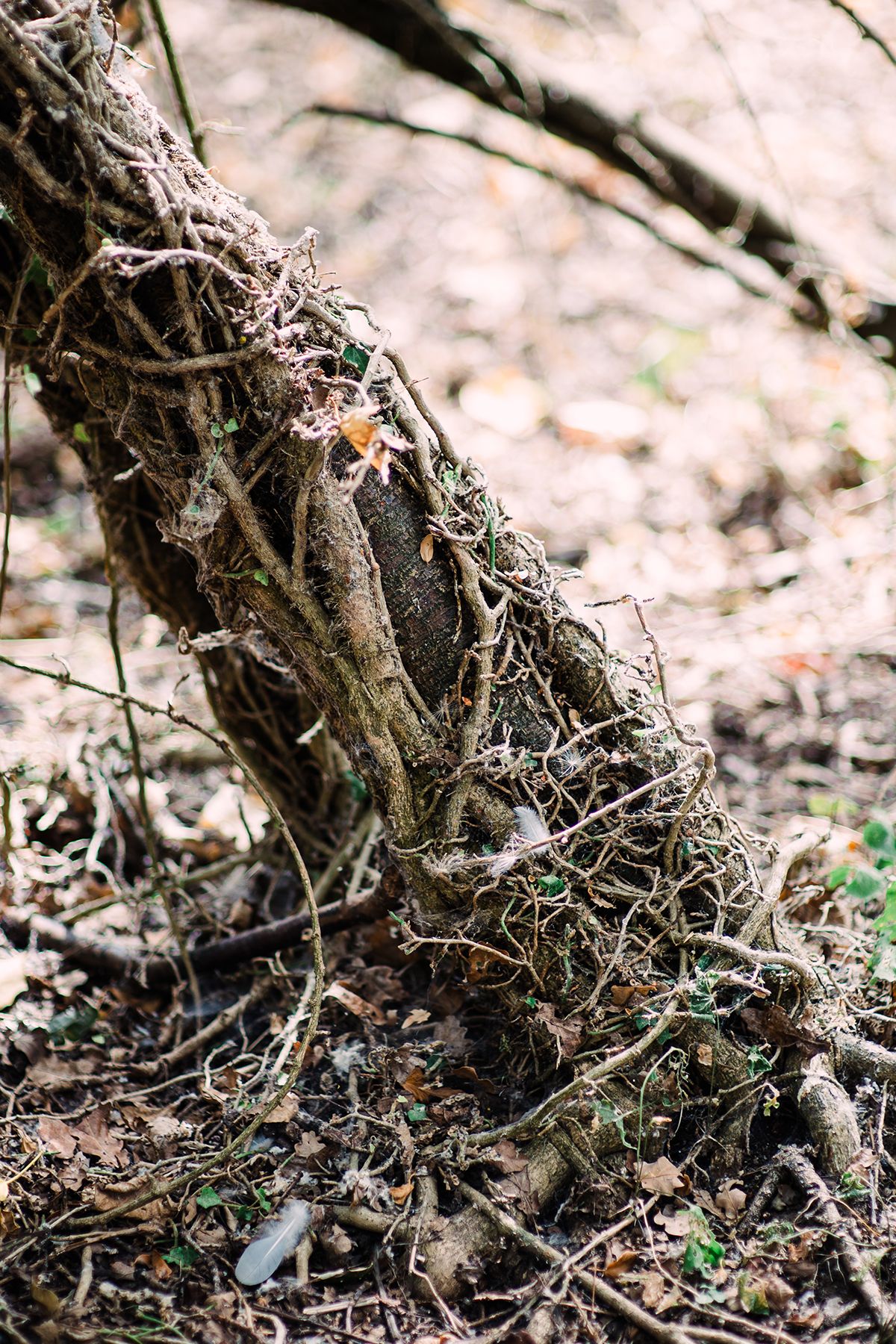
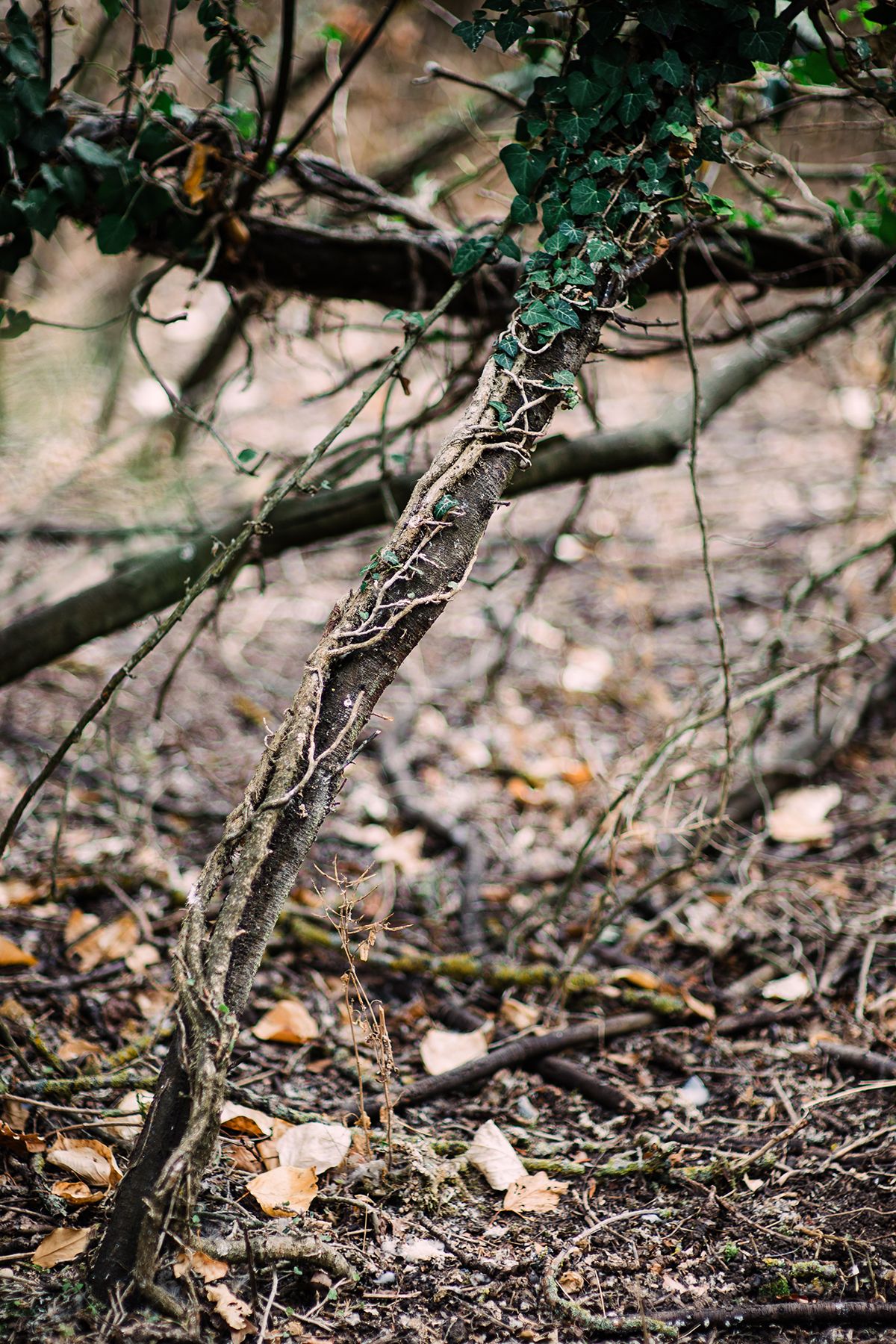
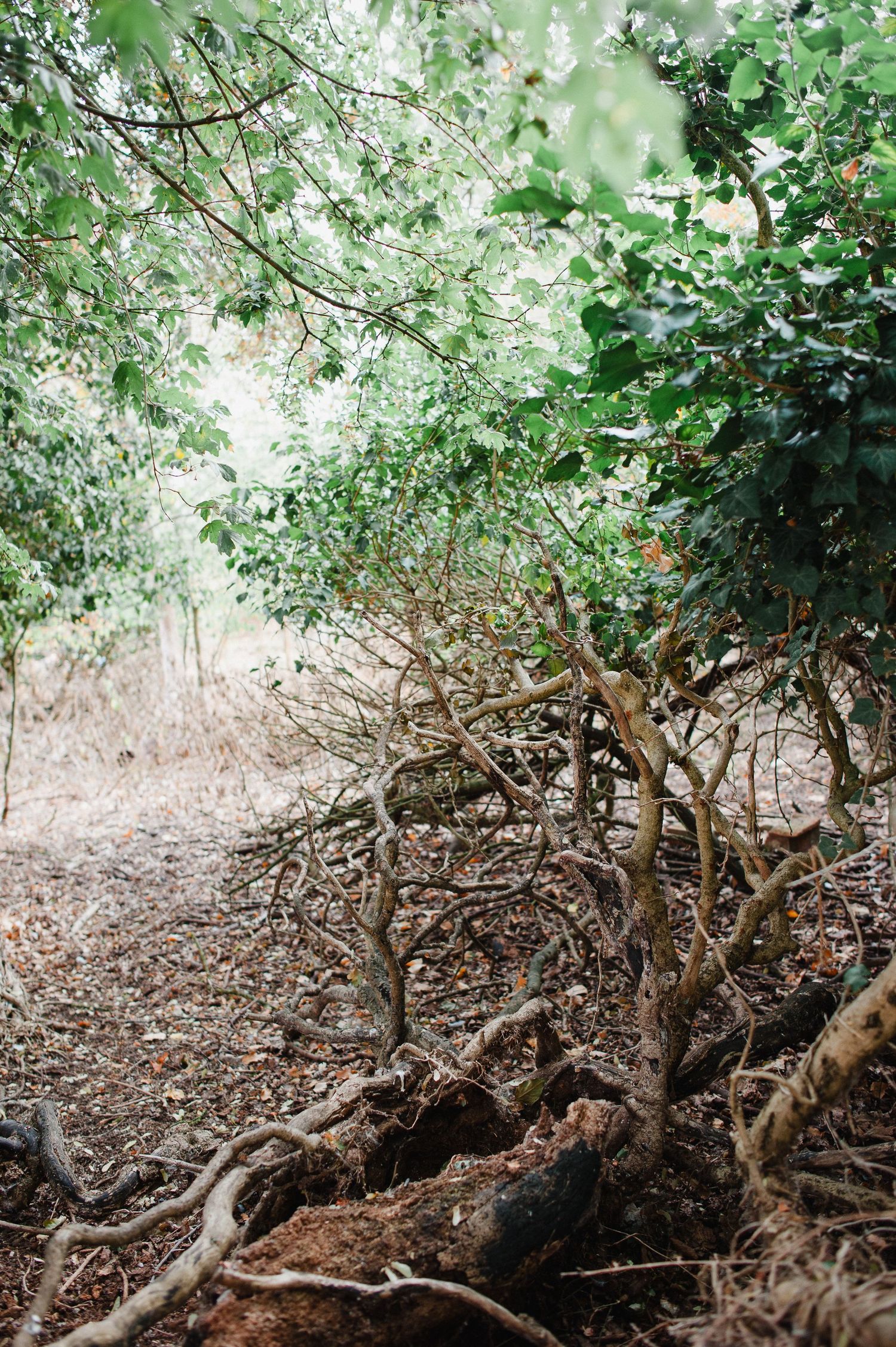
I've started to notice the effect on the ivy too. The ivy is shrinking, and the constant nibbling has begun to break through some of the rooted stems, weakening or killing sections of the ivy canopy.
So last week I took some action and placed fences around the rooted stems at the base of the ivy to give them some protection. The deer can still eat the canopy as much as they like, but once the ivy has recovered, I plan to rotate the fencing at different times, giving the ivy a chance to recover while making sure there is always some available for the deer to browse.
Hopefully this will give us a little more balance — protecting the ivy while still providing some extra food for the deer.
The UK Drought is Taking its Toll on Frowning Sparrow Woods
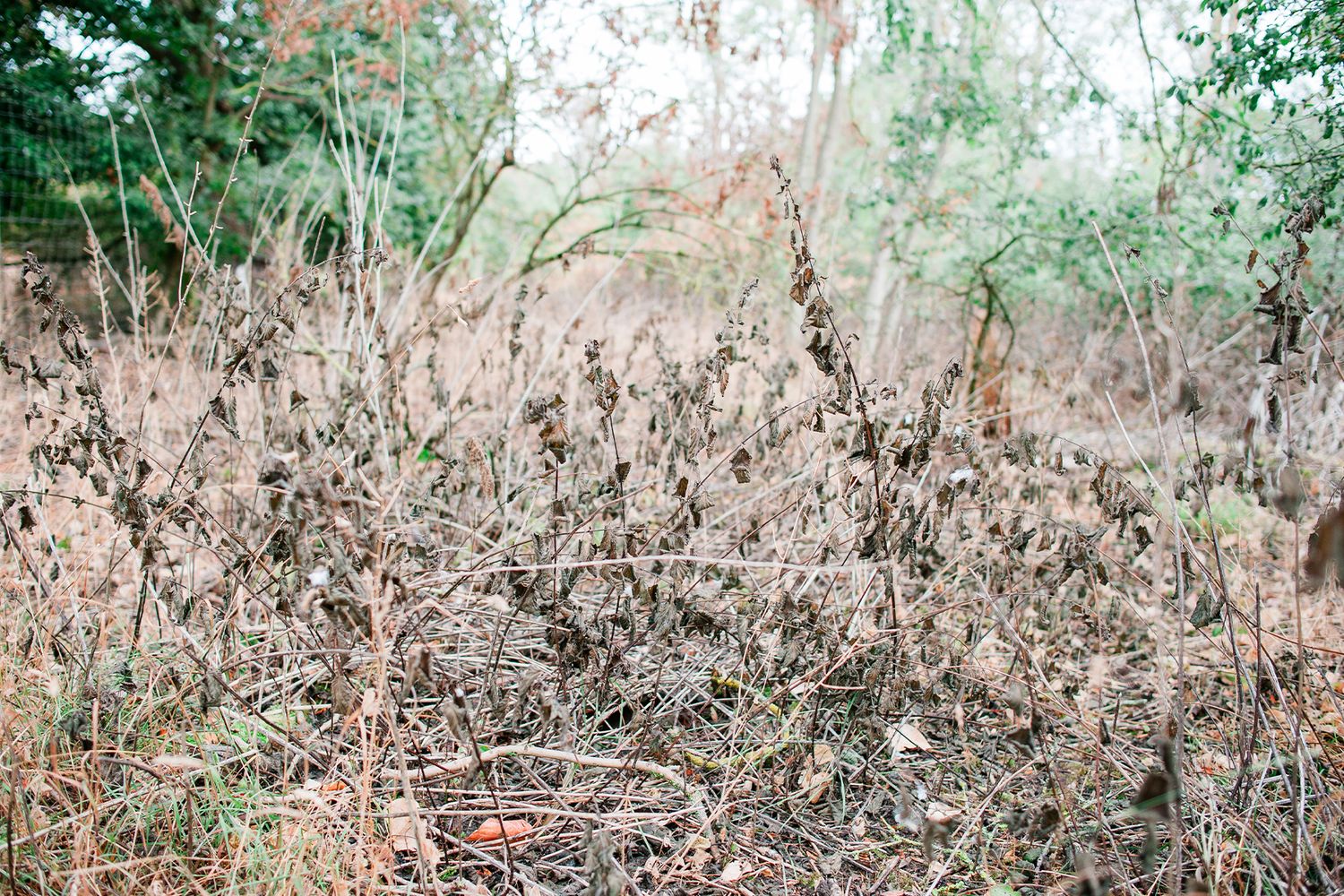
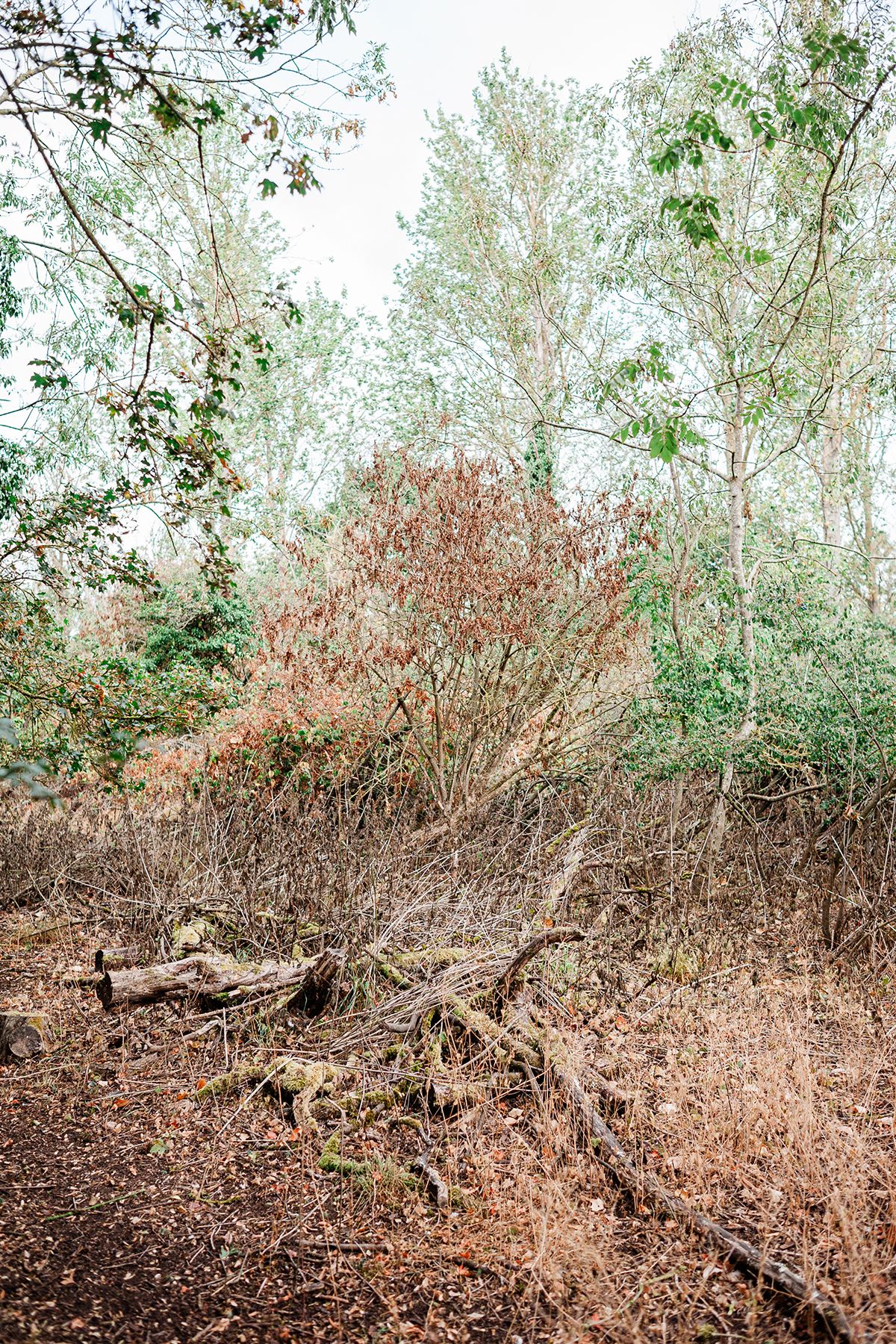
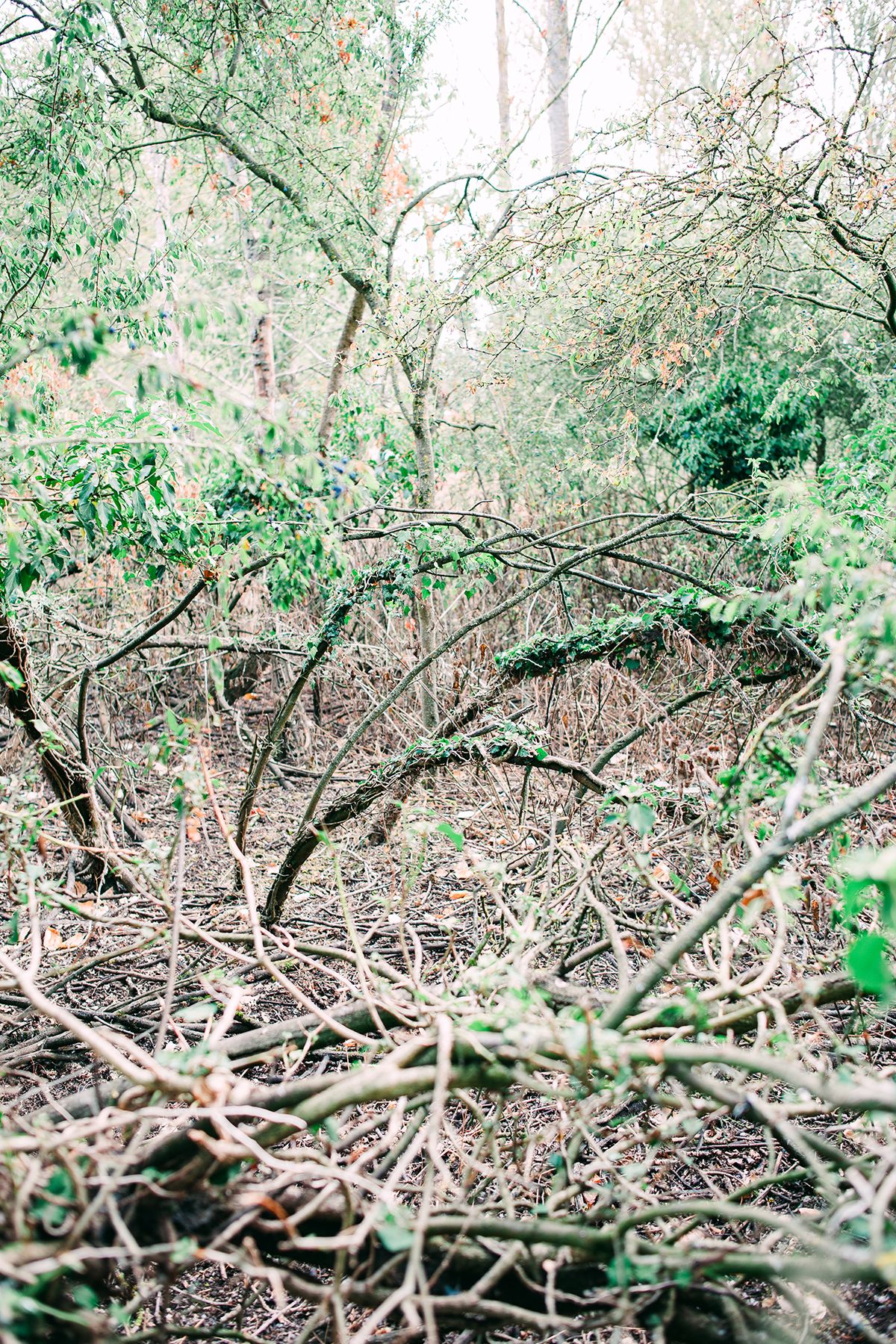
Frowning Sparrow Woods is enjoying the heat as much as I am! It is looking very sorry for itself and really isn't coping well at all.
The nettles would normally last long into autumn, often not dying back until December or January, but this year they are pretty much all gone already. Without them, the sun is now able to bake the mosses beneath them, and it will be interesting to see how this affects the mosses over winter.
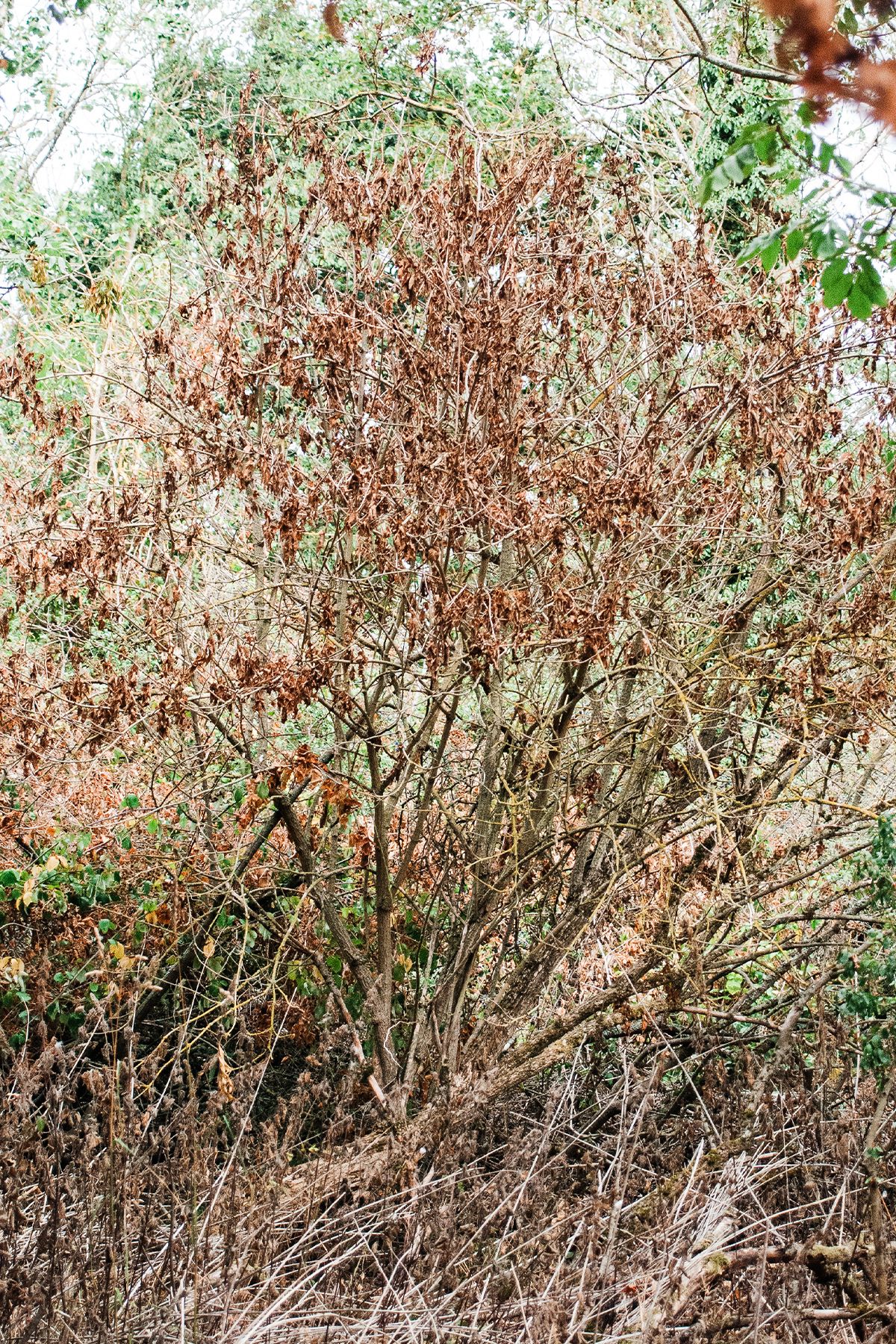
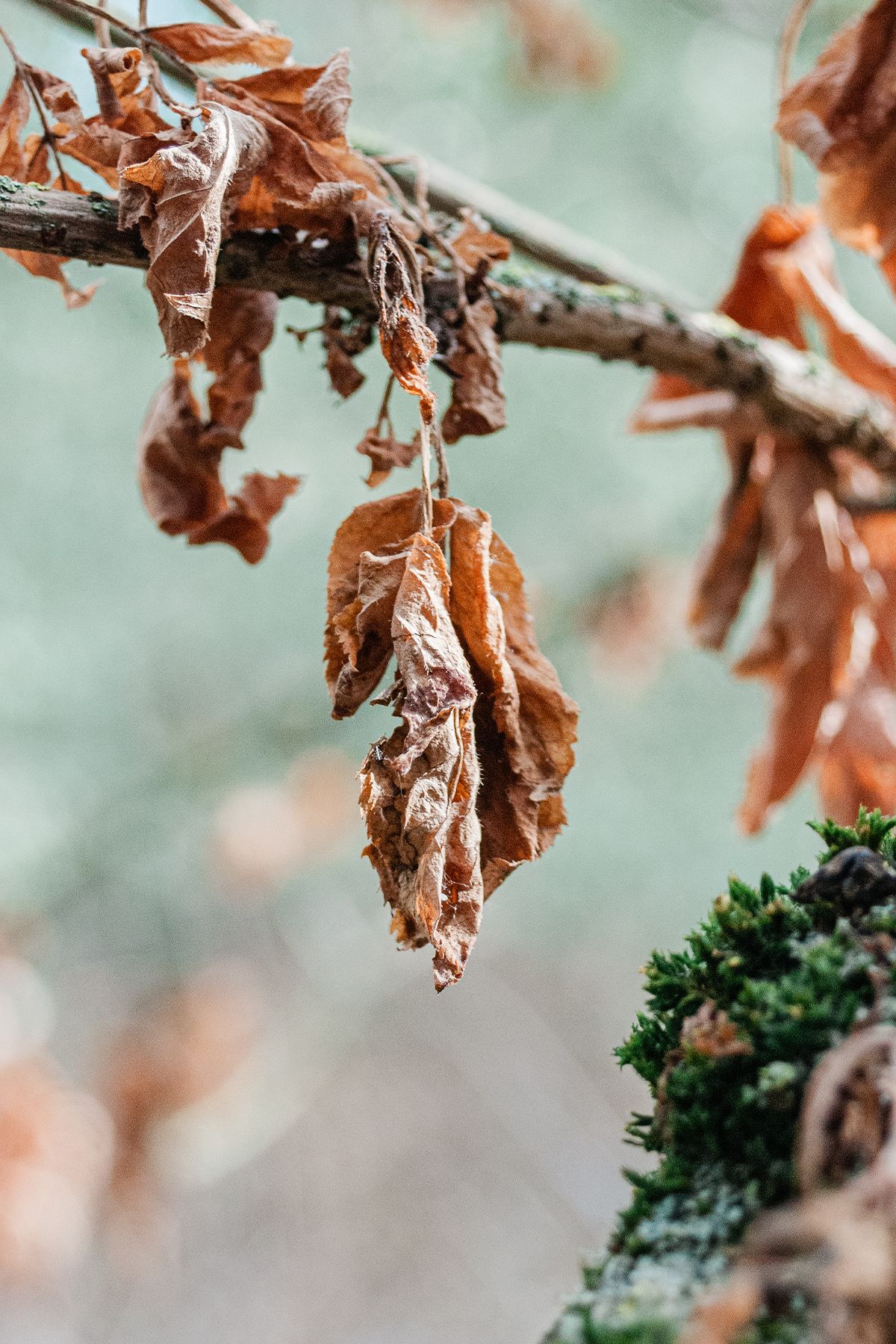
I've also lost all of the elder trees. Whether they will come back next year, I don't know, but I don't hold out much hope at the moment. They look very dead.
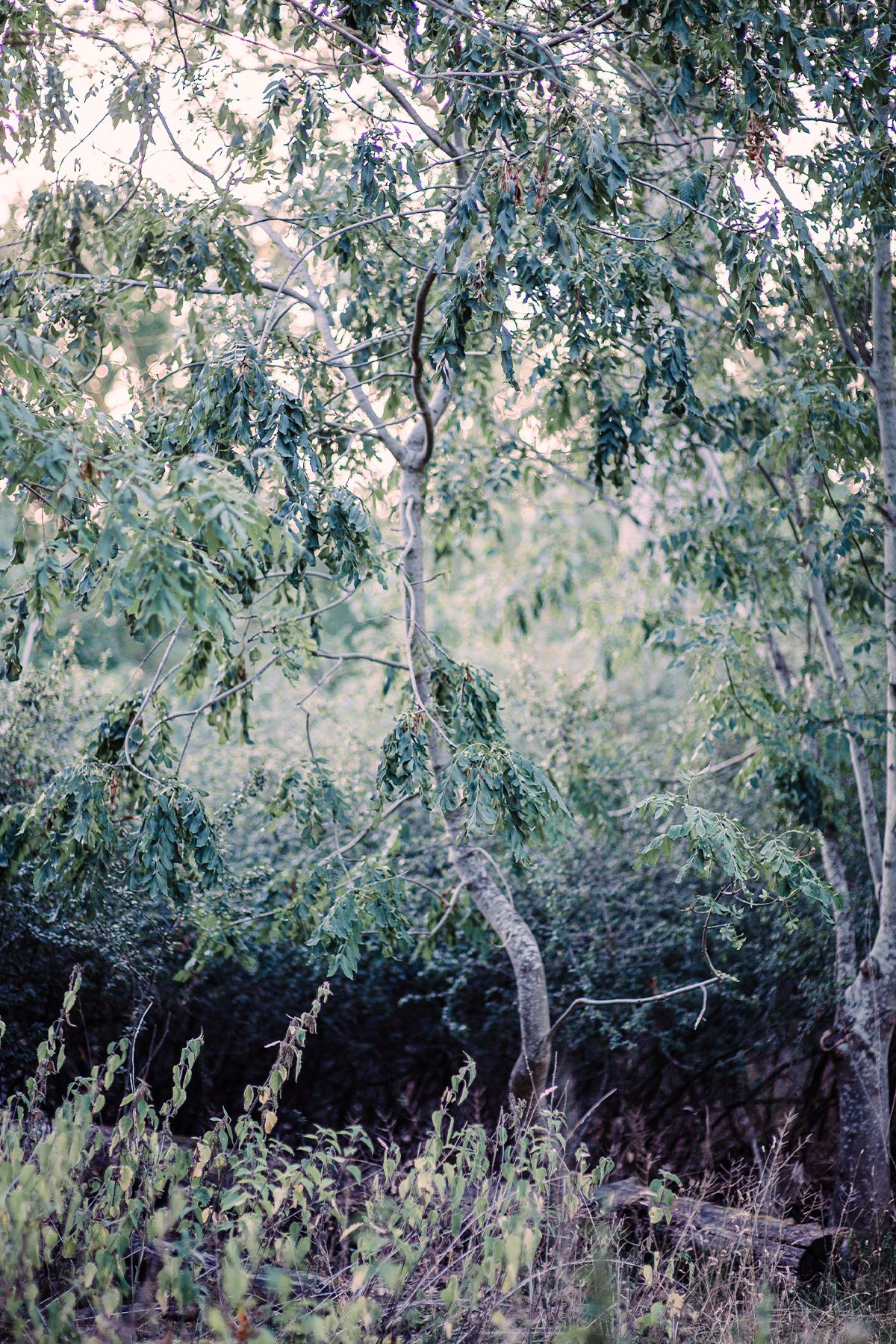
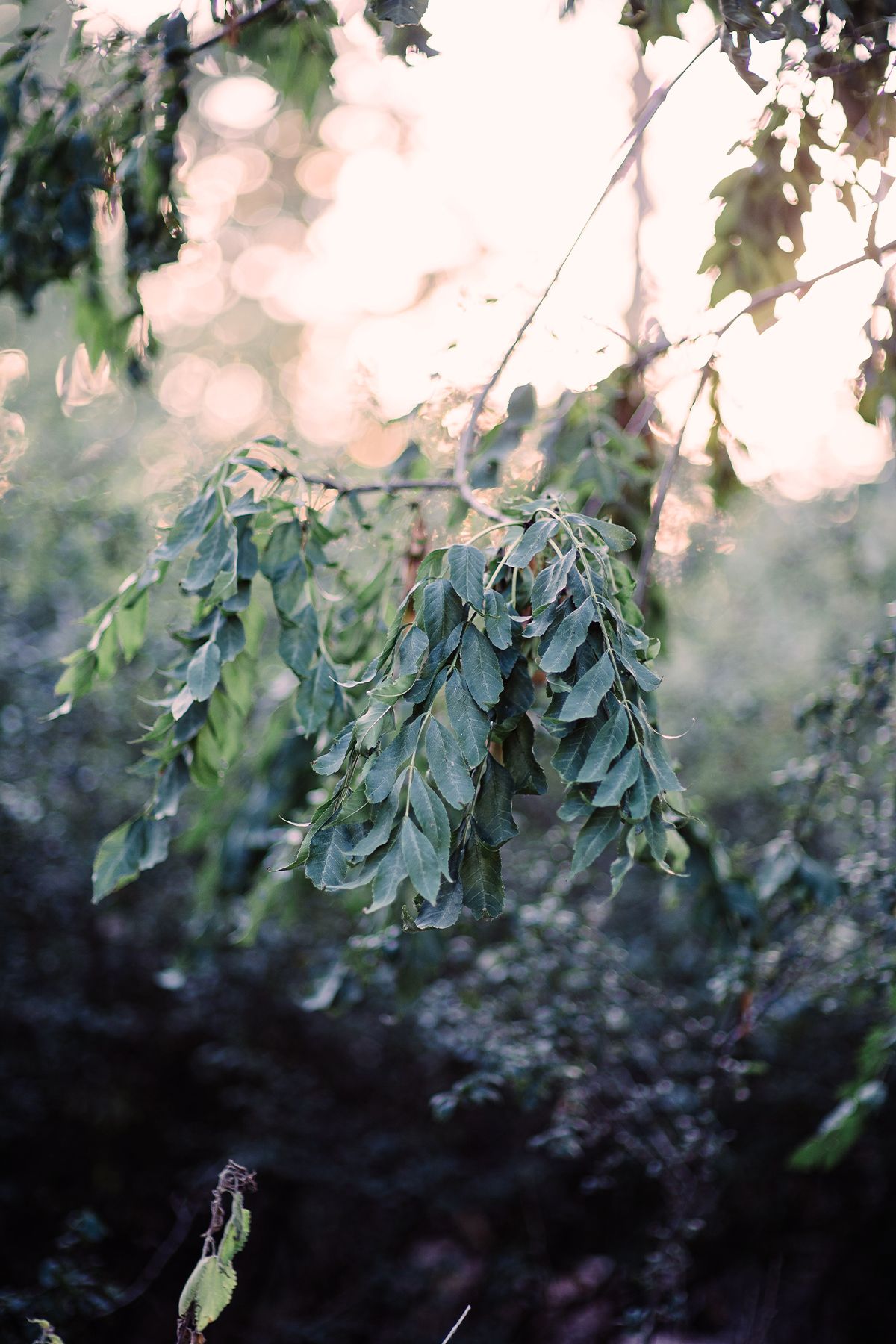
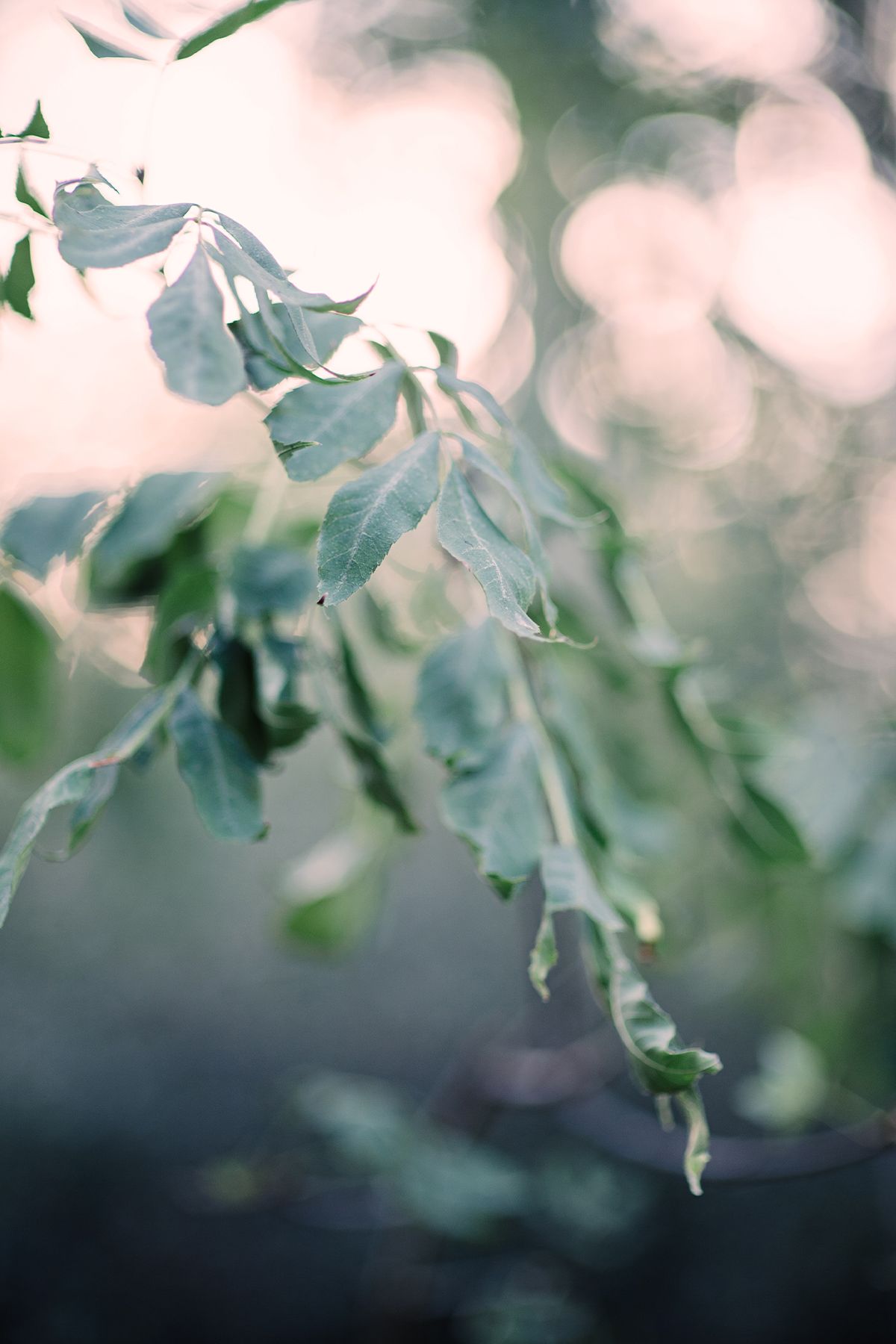
Following on from them, the hawthorns are struggling too, and their berry production is poor this year. The young ash trees are also starting to struggle, with their leaves looking quite limp now.
The hedgehogs, thankfully, seem to be doing okay. I always leave water and supplementary food out for them in my garden, but so far I haven't had to take any to a rescue centre because of dehydration or starvation. Their poo is actually looking surprisingly healthy, which has made me wonder whether the dry conditions might be benefiting some of their natural food sources, such as beetles, caterpillars, earwigs and woodlice. With earthworms and slugs less active in the drier soil, perhaps they are being pushed towards some of the healthier foods instead of relying so heavily on the things that can sometimes make them ill. It is only an observation for now, but it is interesting to wonder whether even extreme weather can have unexpected benefits for some species.
The weather doesn't seem to be treating the birds quite so kindly. The blackbirds in particular are struggling. Moulting in this extreme heat must take its toll, and I'm currently not sure whether what I am seeing is simply exhaustion or the virus that is currently affecting blackbirds in the UK. Either way, I am losing a lot of blackbirds at the moment, which is heartbreaking to watch.
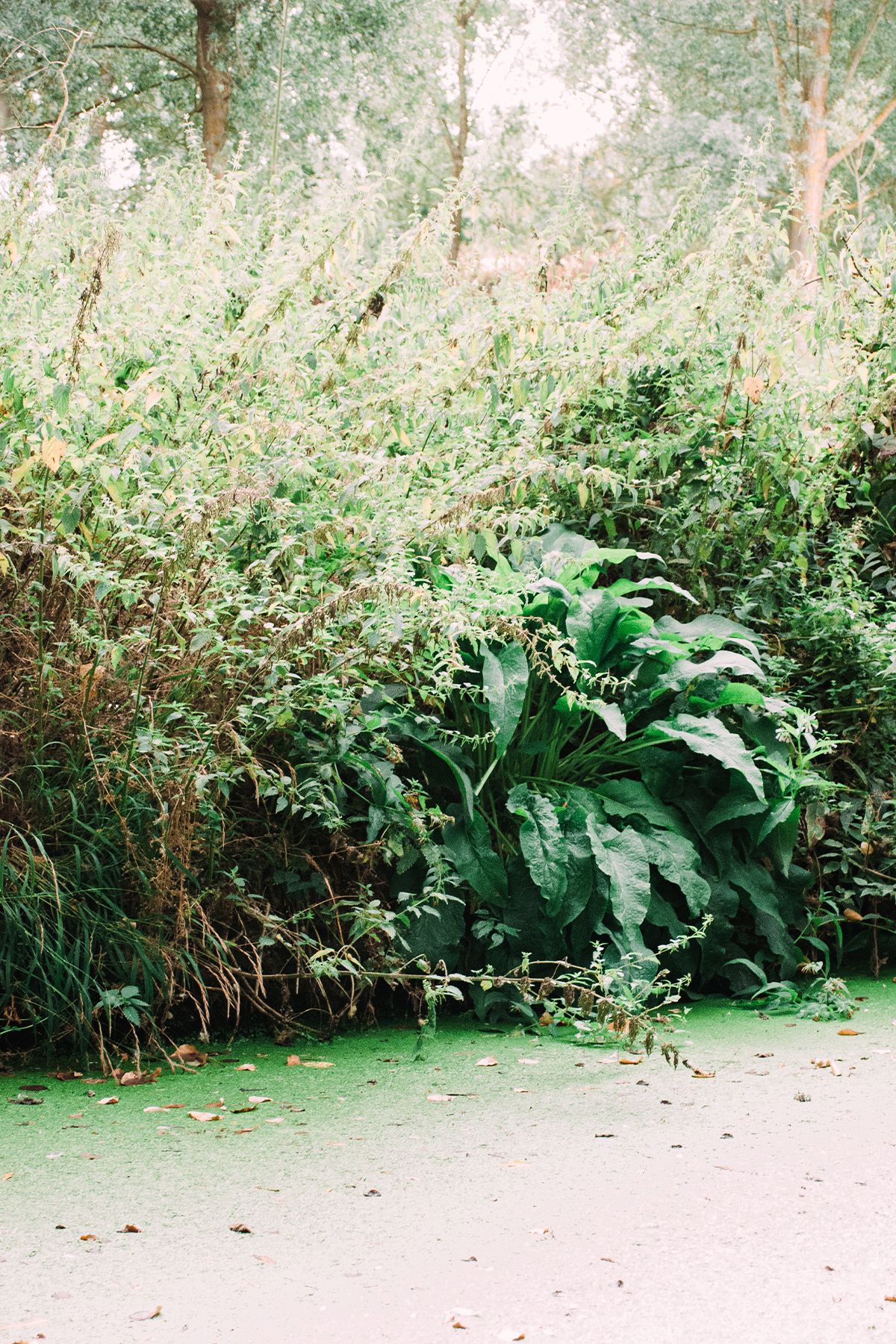
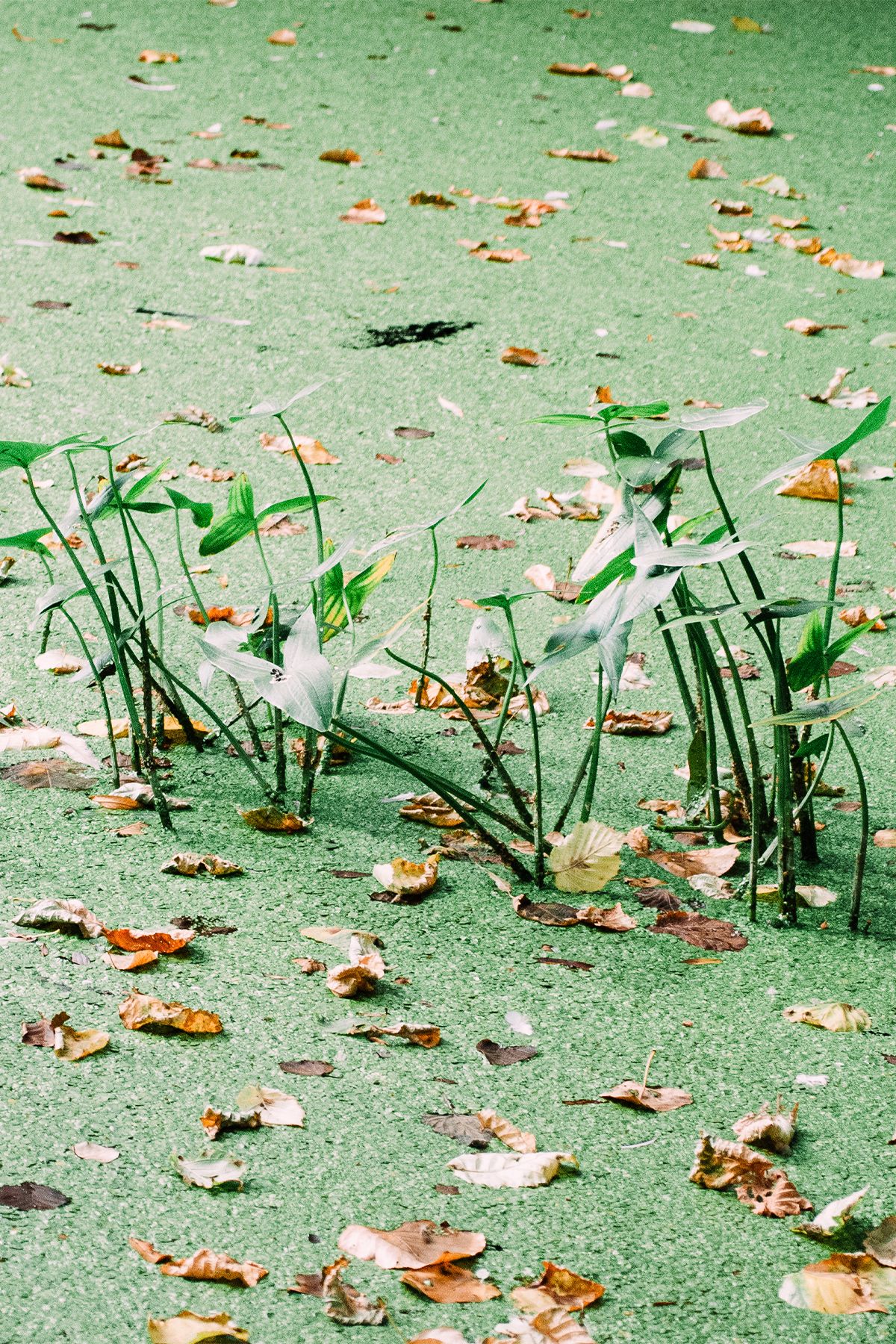
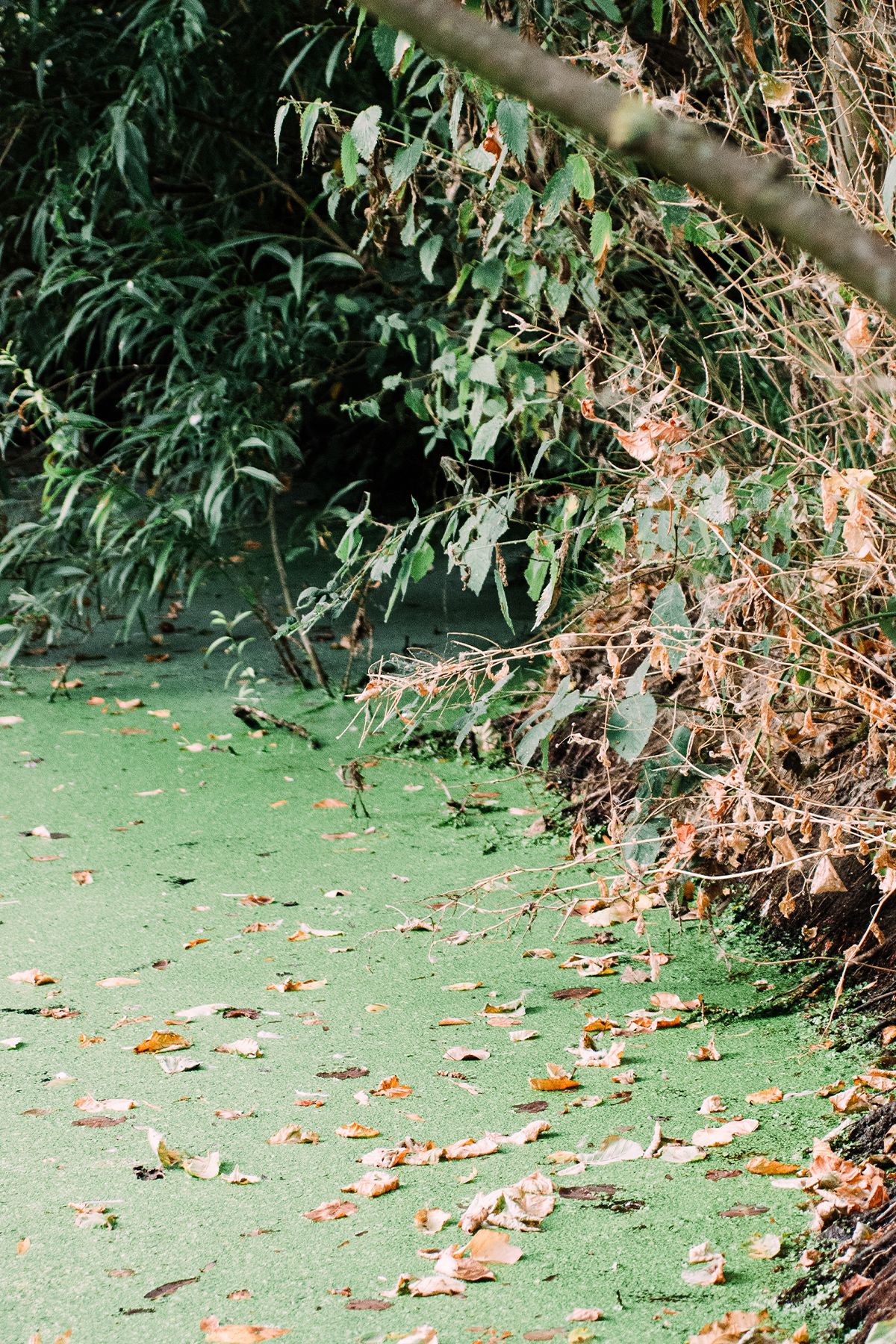
And then there is the river. Duckweed has taken over, creating a green carpet across the surface. Although it provides food for some wildlife, I've noticed that there are no dragonflies or damselflies along my stretch of the river this year.
I don't yet know whether the duckweed is contributing to this, or whether it is simply another consequence of the drought and the lack of riverside habitat on my side of the river. It is something I will need to look into, particularly to see whether there is anything I can improve or change to help prevent it happening again in the future.
From this year I will be taking what I've observed into my future plans. The garden and woodland designs I create will incorporate more deep-rooted plants and trees that are better able to survive extreme conditions. If the weather is going to challenge us, then I want to make sure the landscape I create is as resilient as I can make it.
Behind the Lens
Slow Shutter - Wild Land
If you like photography, don't forget to check back on the 8th of March, June, September, and December for my quarterly photo newsletter all about the gear I use.
Coming on 8th September ~ The Nikkor-C 500mm f/8 Reflex Lens.